On this page
What chase cover replacement involves
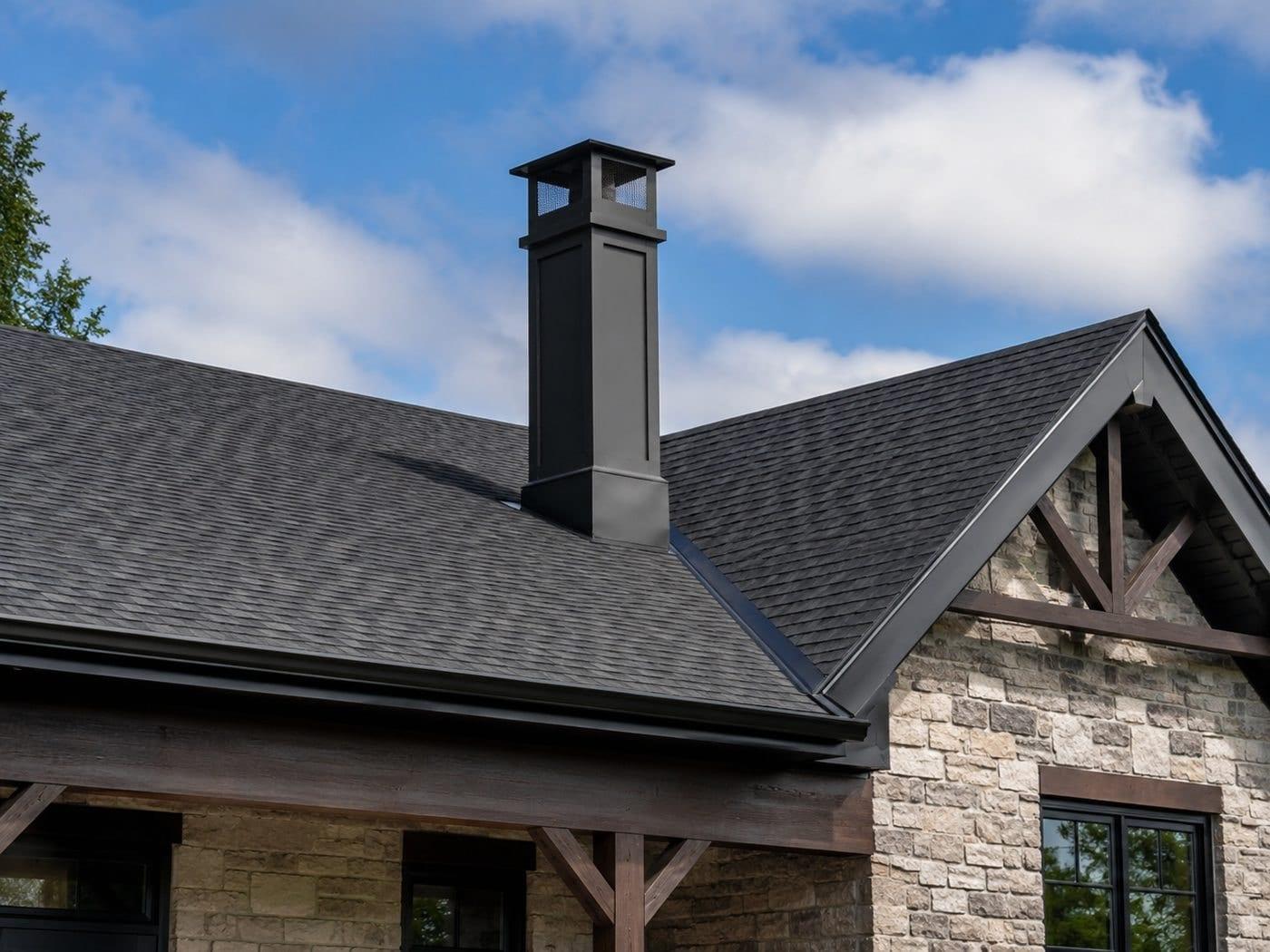
Many homes with a factory-built fireplace have a chimney that is really a wood-framed box, called a chase, wrapped in siding. The flue pipe runs up the middle. On top sits a sheet-metal chase cover with a hole for the flue, a storm collar to seal around the pipe, and usually a cap above that. The cover is the roof of the chase. When it fails, water drops straight into the framing and down toward the fireplace.
Chase cover replacement means taking that whole top off and installing a new one sized to the chase. It's different from patching. If the metal is still sound and the problem is a single seam or a loose collar, fixing the existing chase cover may be enough. Replacement makes sense when the metal itself is rusted through, warped, or shaped so that water sits on it.
Signs your chase cover needs replacing
Common reasons homeowners call
- Rust streaks running down the siding of the chase
- Water stains on the ceiling or wall near the fireplace
- Rust or dripping inside the firebox or on the fireplace doors
- A cover that dips in the middle and holds standing water after rain
- Visible holes, pitting or flaking metal on the cover
- Soft, swollen or stained siding and trim at the top of the chase
- A loose or missing storm collar around the flue pipe
Don't wait on a sagging cover
A flat or dished cover keeps water pooled against the metal, which speeds up rust. Once it rusts through, rain reaches the wood framing inside the chase, and that damage is slower and more involved to fix than the cover itself.
What the visit involves, step by step
How we replace a chase cover
Inspect the chase top
We look at the cover, cap, storm collar and the siding and framing at the top of the chase to see how far any water has gotten.
Measure
The chase is measured so the new cover fits the outside dimensions with an overhang and drip edge that carry water past the siding.
Remove the cap and old cover
The chimney cap and the failed cover come off, along with old fasteners and sealant.
Check what's underneath
With the top open, we can see the framing and sheathing. If wood is rotted, we tell you before going further, since that needs repair to the prefab chimney and chase itself.
Fit the new cover
The new cover is set in place and fastened, shaped so it sheds water instead of collecting it.
Seal and cap
A storm collar is sealed around the flue pipe and the cap is reinstalled, or replaced if it's worn out.
Cover materials and the cap on top
| Feature | Galvanized steel | Stainless steel |
|---|---|---|
| Rust resistance | Coating wears off over time, then rusts | Holds up well against rust |
| Typical problem | Rust streaks and holes | Less common; seams and collars still need attention |
| Why homeowners choose it | Often what was originally installed | Longer-lasting replacement for a rusted cover |
Rust resistance
- Galvanized steel
- Coating wears off over time, then rusts
- Stainless steel
- Holds up well against rust
Typical problem
- Galvanized steel
- Rust streaks and holes
- Stainless steel
- Less common; seams and collars still need attention
Why homeowners choose it
- Galvanized steel
- Often what was originally installed
- Stainless steel
- Longer-lasting replacement for a rusted cover
Shape matters as much as material. A cover with a raised center or crossbreaks pushes water toward the edges, while a perfectly flat panel tends to sag and pond. The cap matters too: if yours is rusted or bent, it's sensible to handle a worn chimney cap during the same visit. For help comparing styles, read our buyer's guide to chimney caps.
Safety and upkeep
Water getting into a chase doesn't just stain walls. It can corrode the flue pipe and the fireplace unit inside, which affects how safely the system vents. If leaks have gone on for a while, it's worth having the flue checked; the risks of a damaged chimney liner explains what to watch for. Many prefab chases house gas fireplaces, and we work on gas fireplaces and gas appliances as well. After replacement, a quick look at the chase top from the ground after heavy rain, checking for new rust streaks or stains, is the simplest upkeep.
Booking chase cover replacement
Call or request an estimate to get started. Commercial and property-manager work is offered, so landlords and managers with several units can arrange chase cover work too.