Work Sandy Springs homes can book
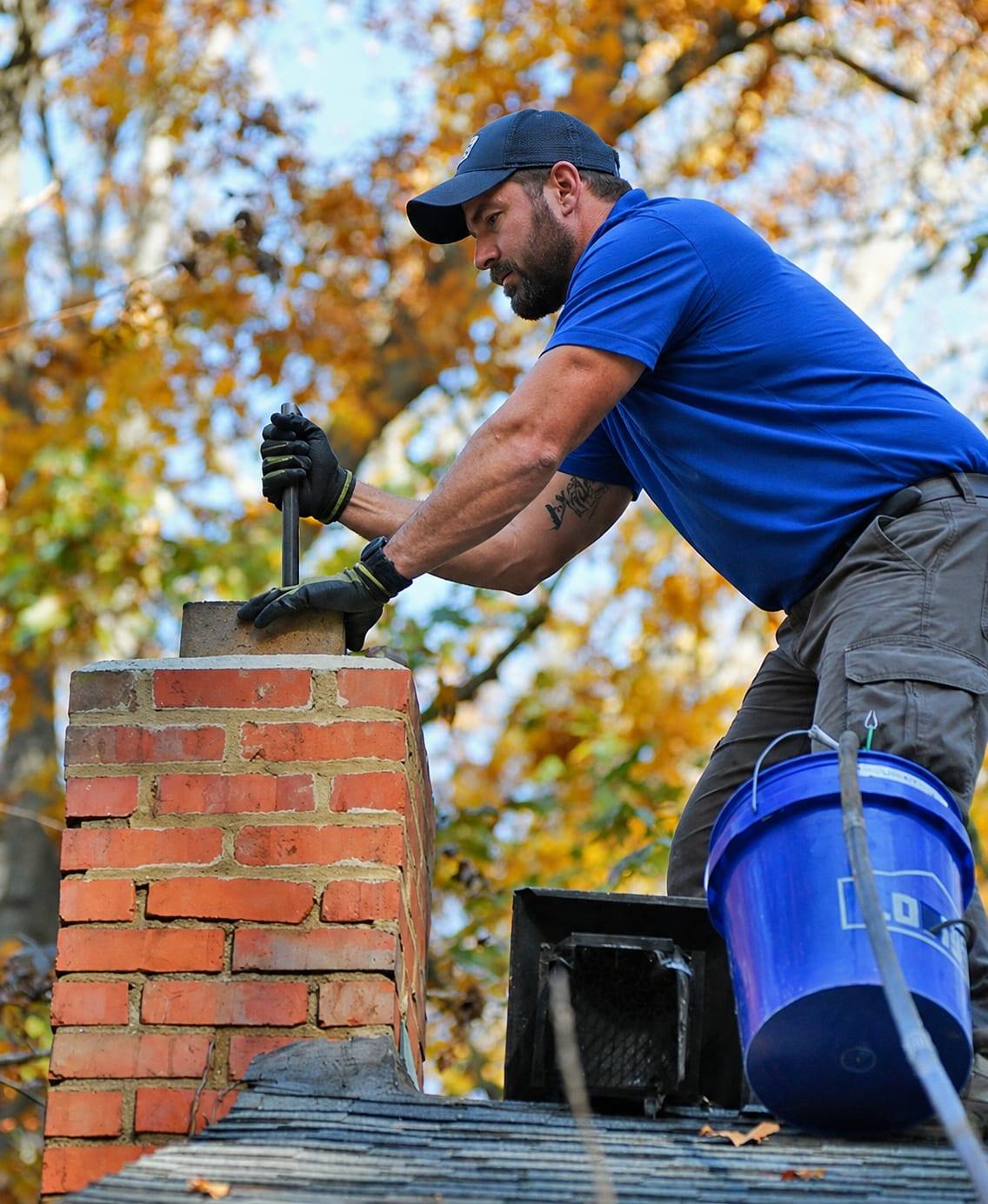
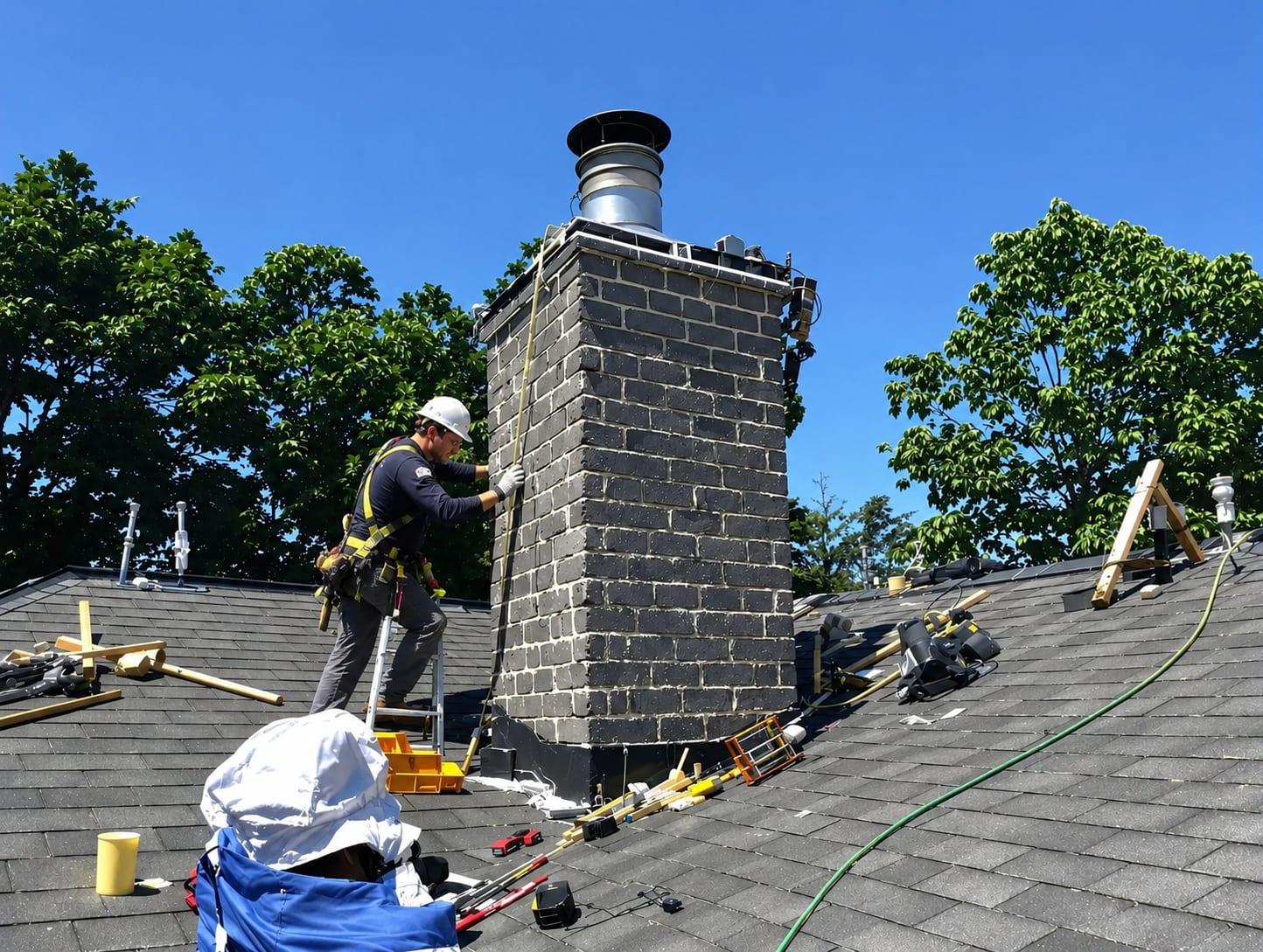
The work falls into one of four groups: keeping a chimney clean and drafting, finding out what condition it's in, fixing what's worn or broken, and keeping dryer vents clear. A chimney sweep for homes in Sandy Springs removes soot, creosote, nests and debris from the flue. A chimney inspection in Sandy Springs tells you whether the liner, crown, flashing and firebox are sound before you light a fire or close on a house.
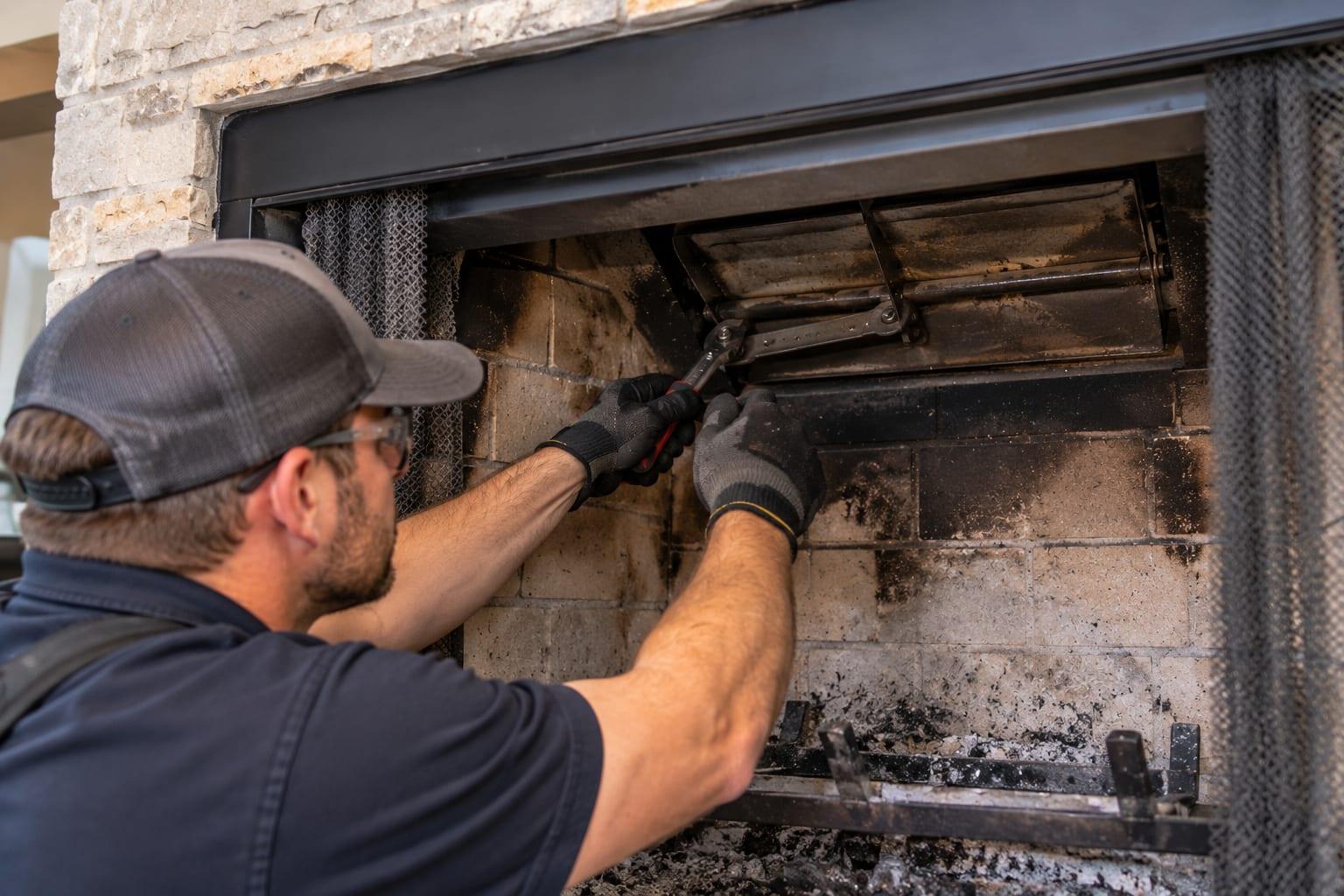
When something is already wrong, such as cracked firebox brick, a damper that won't close or a door with broken glass, we handle fireplace repair in Sandy Springs. If you want a new fireplace, an insert in an old opening or a switch from wood to gas, we also do fireplace installation for homes in Sandy Springs.
What the housing age data means for your chimney
About 6% of the housing units in Sandy Springs were built before 1960, according to the U.S. Census Bureau's American Community Survey 2019–2023 5-year estimates (table B25034, Year Structure Built). Put the other way, roughly 94% of homes counted were built in 1960 or later.
That small share of older houses matters to the people who live in them. Masonry chimneys from that era have had decades of heat cycles and weather. The things worth checking first are the mortar joints, the crown on top and the flue liner. Some older chimneys were built with no liner at all, and others have clay tiles that have cracked or shifted. These problems often can't be seen from the fireplace, which is why a camera look up the flue is useful before you use a fireplace you haven't had checked.
For the newer majority, age alone doesn't rule out problems. Factory-built fireplaces with metal flues and wood or siding chases have their own weak points: rusted chase covers that let water in, warped refractory panels and worn caps. Gas units need their burners, pilots and venting serviced too. Whatever year your home was built, the condition of the chimney and fireplace is what decides the work. Its age only tells you where to look first.
Gas units that won't light, stay lit or look right
Gas fireplace and gas appliance work is offered. Common calls include a pilot that won't stay lit, a burner that lights unevenly, soot on the glass or logs, and a remote or valve that has stopped responding. Our gas fireplace service covers diagnosis, cleaning, adjustment, log sets and new installations.
If you smell gas
Don't try to light the fireplace or flip switches near it. Leave the house, then call the gas utility or 911 from outside. Have the unit checked before it is used again.
Cracks, leaks and loose brick
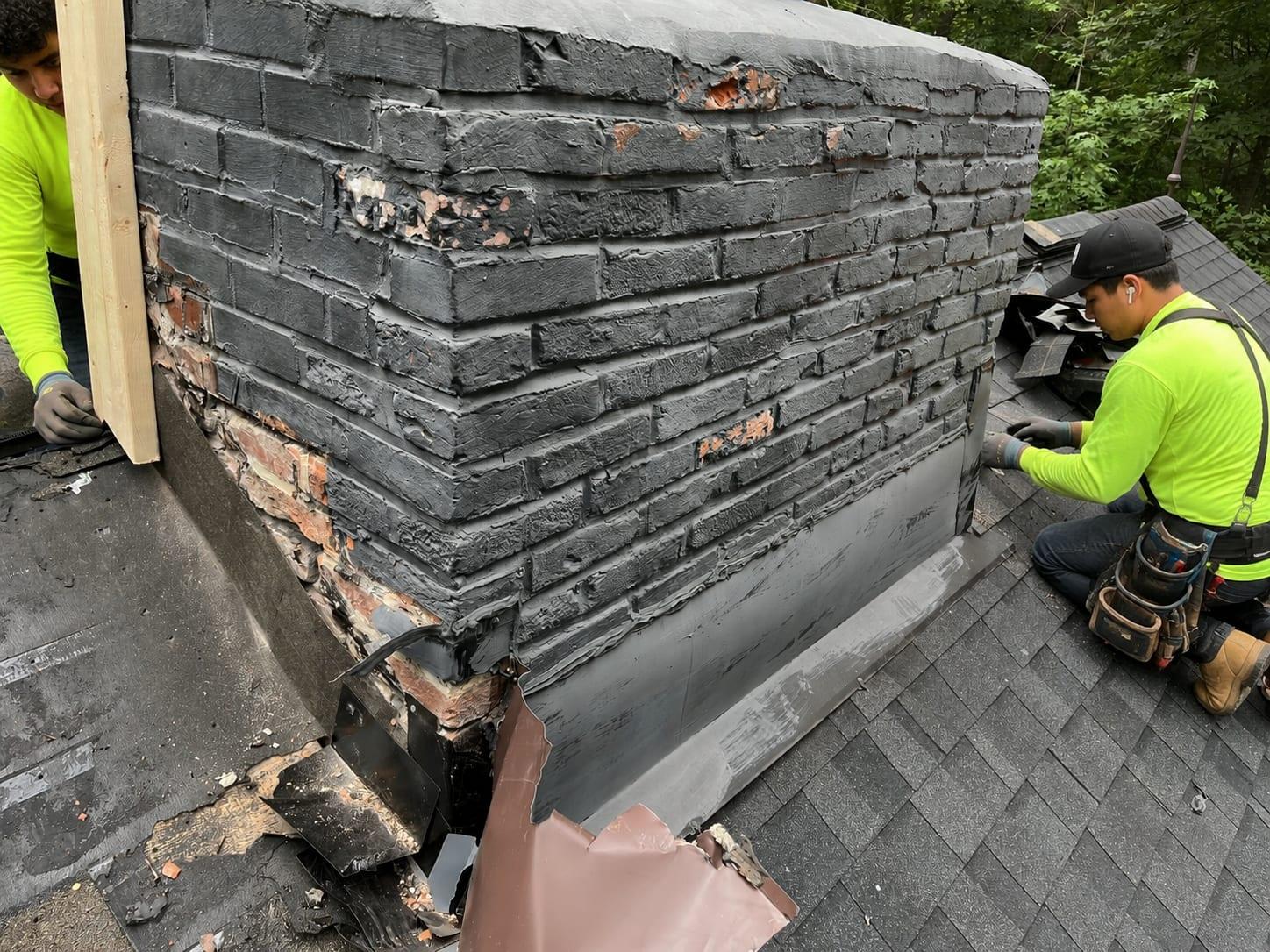
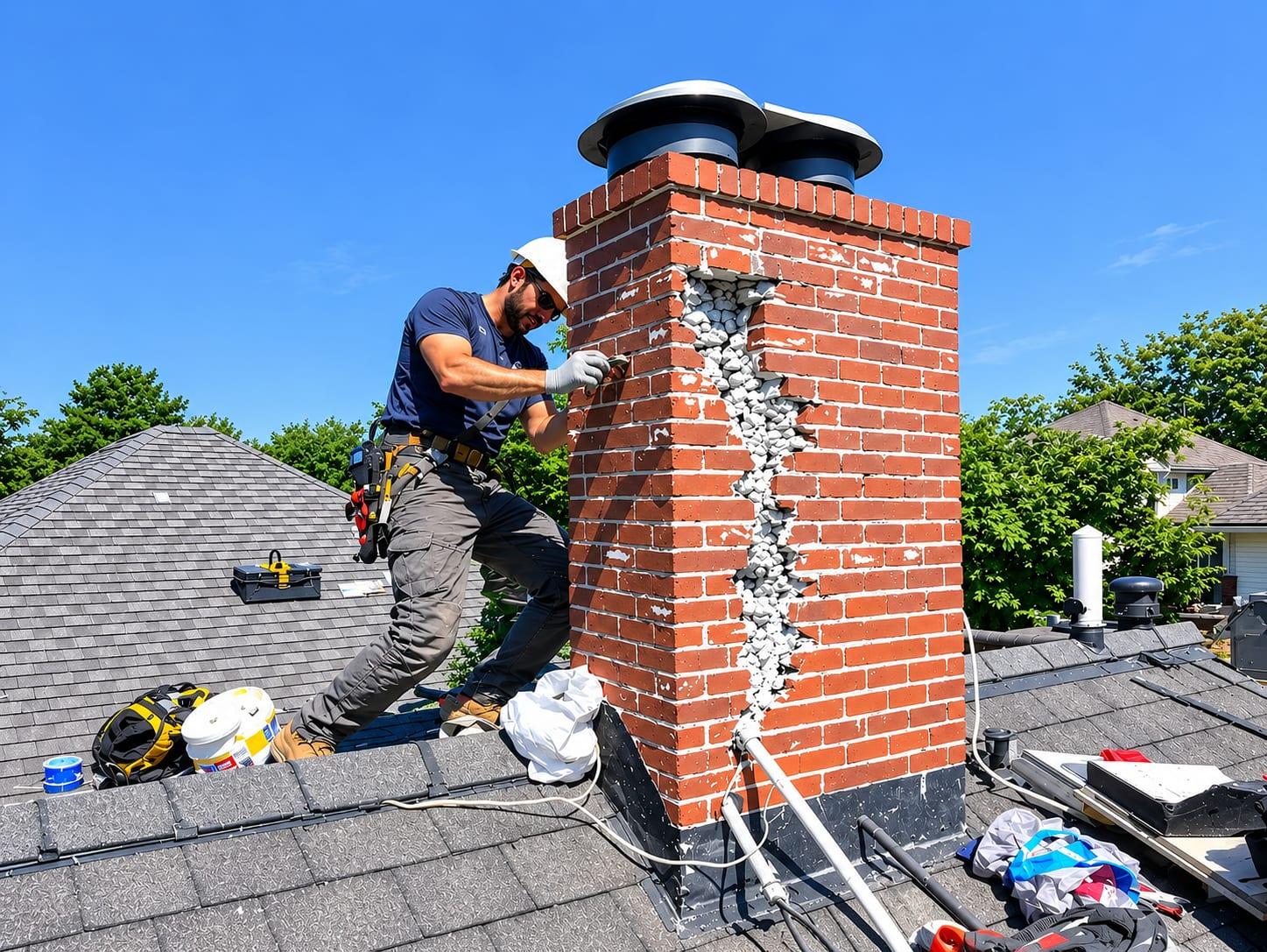
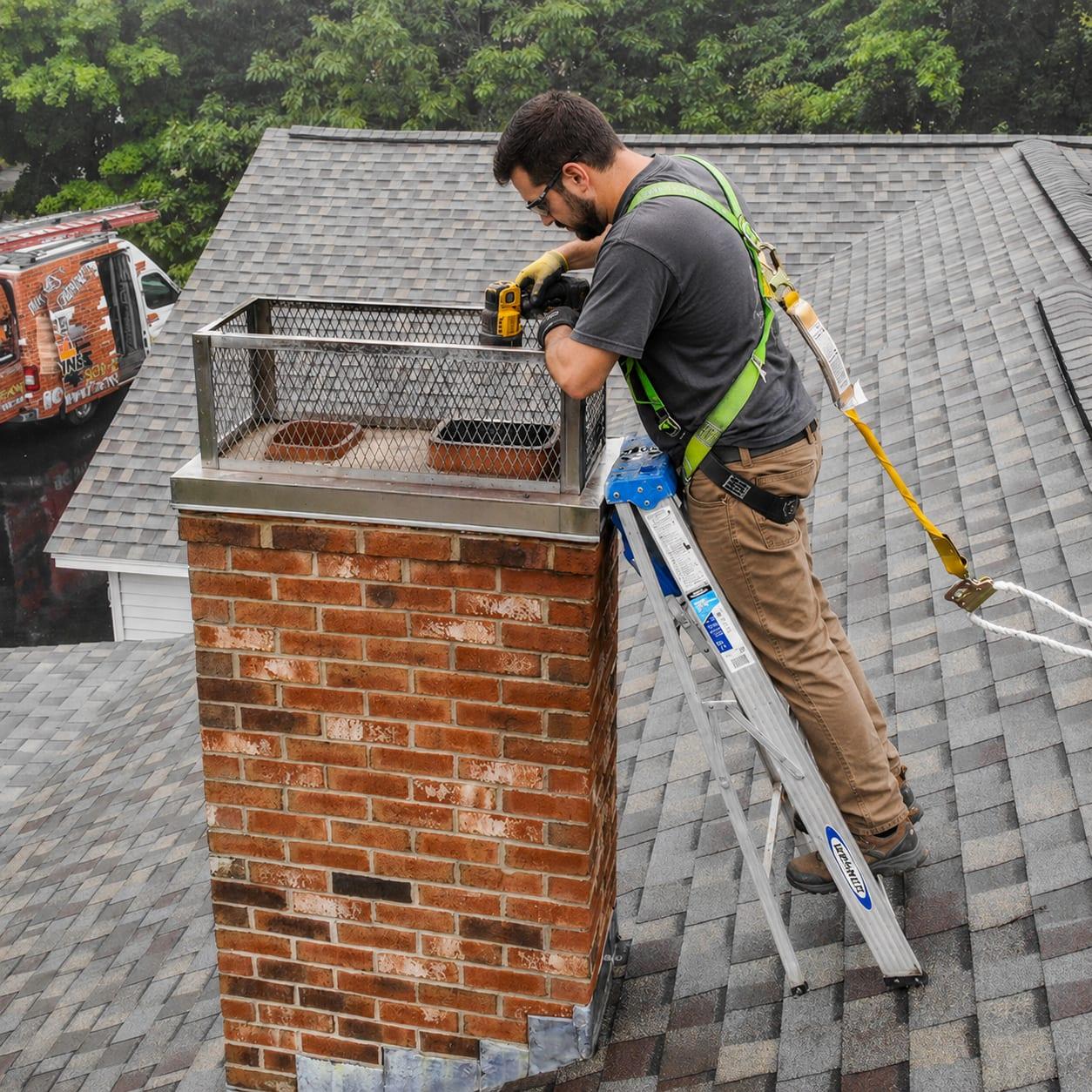
Water does most of the damage to a chimney. It gets in through a cracked crown, loose flashing where the chimney meets the roof, or porous brick and mortar. Signs include water stains on the ceiling or wall beside the fireplace, white residue on the brick, flaking mortar and rust on the damper. Our chimney repair work includes crown and flashing repair, tuckpointing, waterproofing, liner work and, when a chimney is beyond patching, a partial or full rebuild.
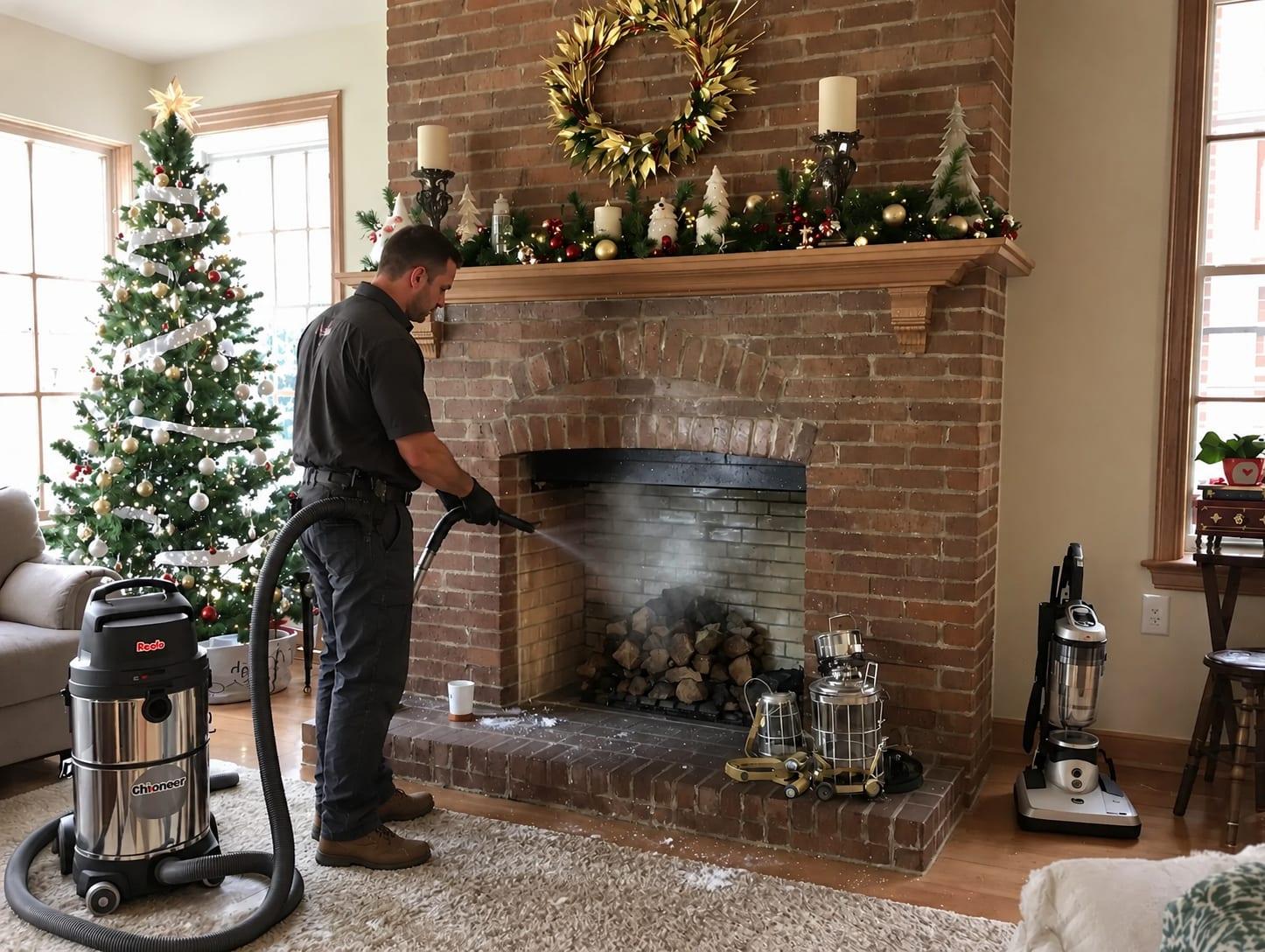
If the trouble is inside the opening, such as heavy soot, ash buildup or a sooty insert, fireplace cleaning is often the right first step before any repair decision.
Sources (1)
Facts and figures on this page come from these references.
- 1U.S. Census Bureau, American Community Survey 2019–2023 5-year estimates, table B25034 (Year Structure Built)