On this page
If you smell gas right now
Leave the building and get everyone out. Don't flip light switches, use phones, unplug anything or light a flame inside. Once you are outside and away from the house, call your gas utility or 911.
What gas line installation involves
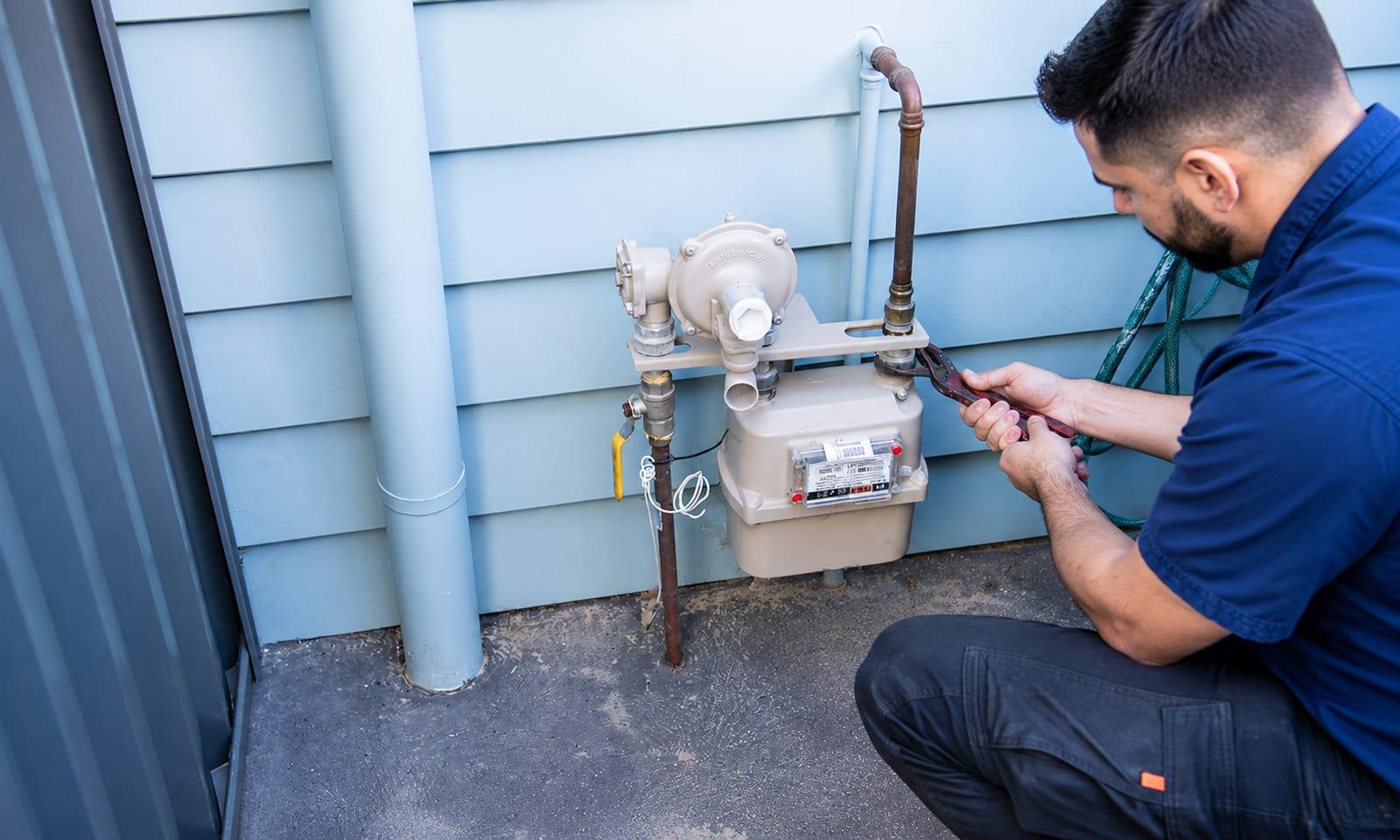
Gas line installation means running a new branch of pipe from your home's existing gas supply to a new appliance location. It is the step that makes a gas hearth possible where there was none, or lets you move or add equipment. The work covers more than laying pipe. The line has to be sized for the appliances it will feed, routed so it is protected, fitted with a shutoff valve where it can be reached, and tested for leaks before it is put into service.
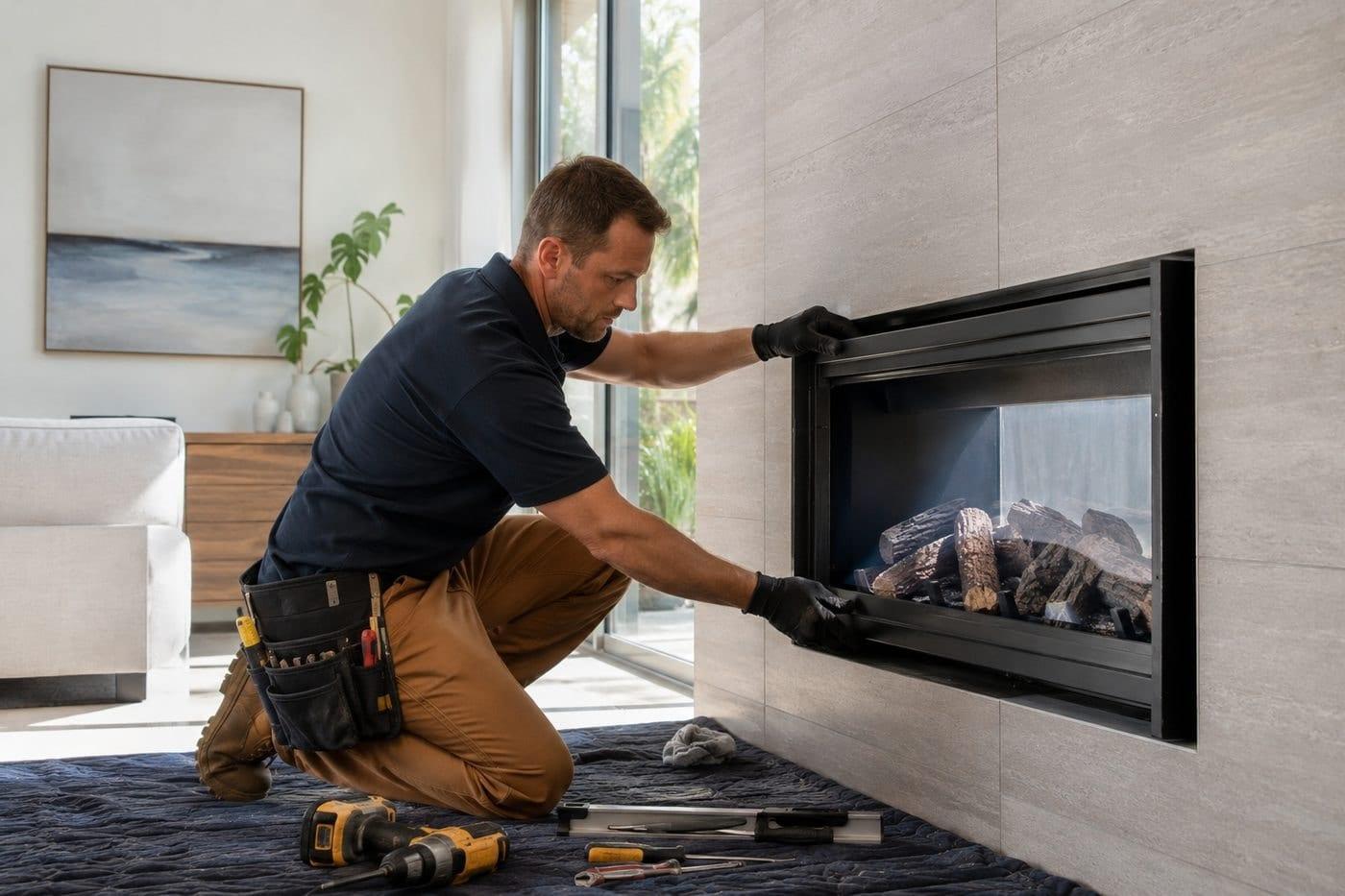
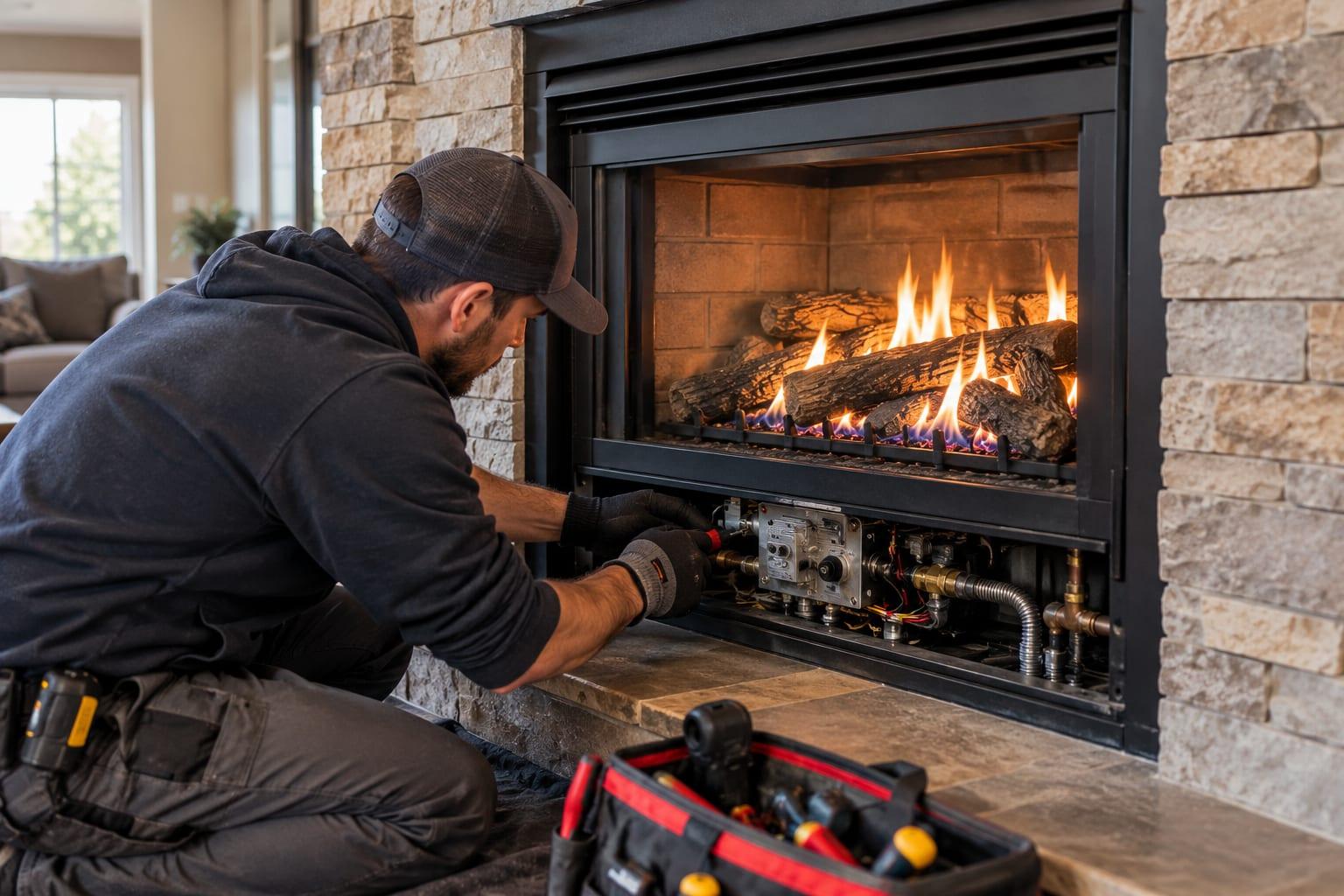
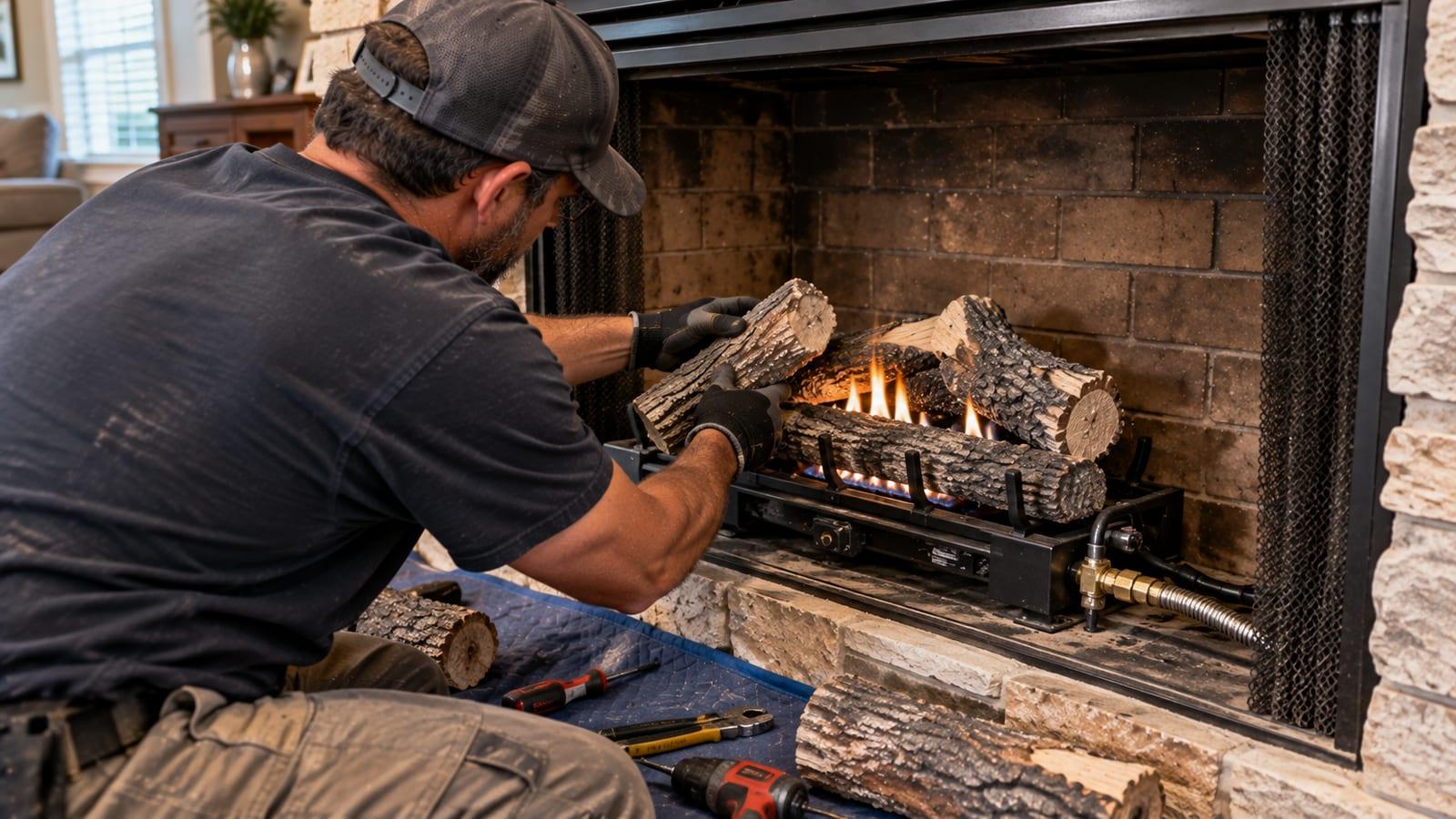
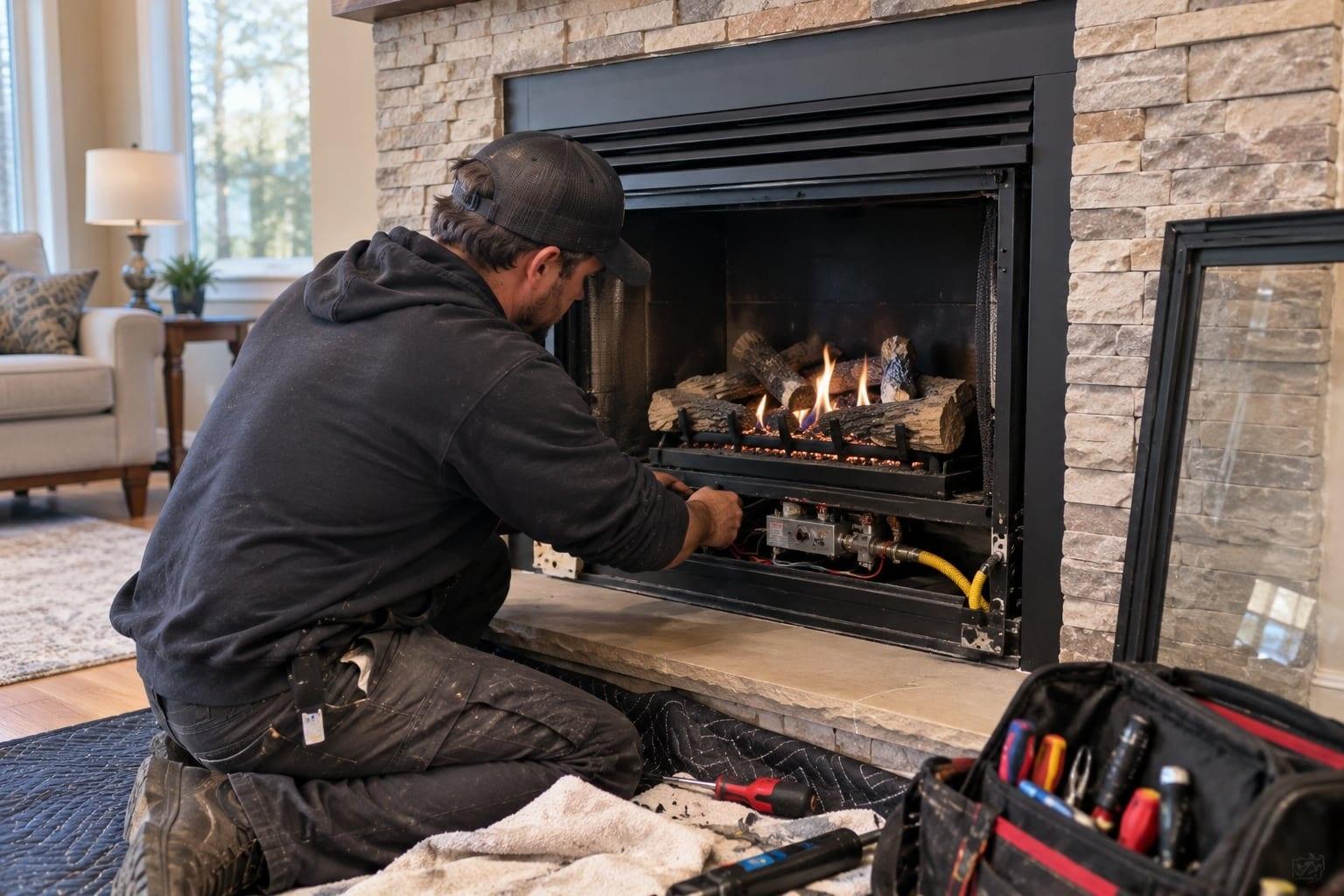
Most of the lines we run feed hearth equipment, such as a new unit from our gas fireplace installation service or a log set added to an existing firebox through gas log installation. We also handle gas appliance work.
Signs your home needs a new gas line
- You are adding gas equipment where there is no supply. A wood-burning fireplace being converted to gas logs, or a room getting its first gas fireplace, needs a line run to it.
- You are moving an appliance. Relocating a fireplace, insert or gas appliance usually means extending or rerouting the line.
- The existing line can't carry the load. Adding equipment to a line that was sized for less can starve every appliance on it, which shows up as weak flames or appliances that won't stay lit.
- You are still deciding on fuel. If a wood fireplace is in the picture, our guide to gas vs wood fireplace walks through the trade-offs before you commit to a new line.
How the visit works, step by step
From first look to first flame
Review the equipment and location
We look at what the line will feed, where it will go and where your existing gas service can be tapped.
Plan the route and size
The pipe size depends on the total demand of the appliances on the line and the length of the run. The route avoids spots where the pipe could be damaged.
Install the line and shutoff
The new branch is run and secured, with a shutoff valve at the appliance so the gas can be turned off without shutting down the whole house.
Pressure-test for leaks
The finished line is tested under pressure before gas is introduced, so any leak is found while the system is still open.
Connect and check the appliance
Once the line passes, the appliance is connected and run, and we check that the flame and operation look right.
Common materials in a gas line
| Component | What it does |
|---|---|
| Black iron pipe | Rigid steel pipe, a long-standing choice for runs through basements, crawl spaces and walls |
| Corrugated stainless steel tubing (CSST) | Flexible, jacketed tubing that can be routed with fewer joints |
| Appliance shutoff valve | Lets you shut gas off at the appliance for service or in a problem |
| Sediment trap | A short drop of pipe that catches debris before it reaches the appliance controls |
| Appliance connector | The final connection between the shutoff valve and the appliance |
Safety and upkeep after the line is in
A properly installed gas line needs little attention, but the appliances it feeds do. Know where the shutoff valve for each appliance is, keep the area around gas equipment clear, and don't hang items on or strap anything to exposed pipe. Gas fireplaces benefit from regular service so burners, venting and controls stay in good shape; gas fireplace service covers that ongoing care.
Leave gas pipe work to a professional
Cutting into, extending or reconnecting a gas line without the right tools and testing can leave a leak that isn't obvious until it is dangerous. If something seems wrong with a line or appliance, shut off the appliance valve if it is safe to do so and get in touch.
Booking a gas line installation
Call or request an estimate and tell us what equipment the line will feed and where it will go.