On this page
What chimney installation covers
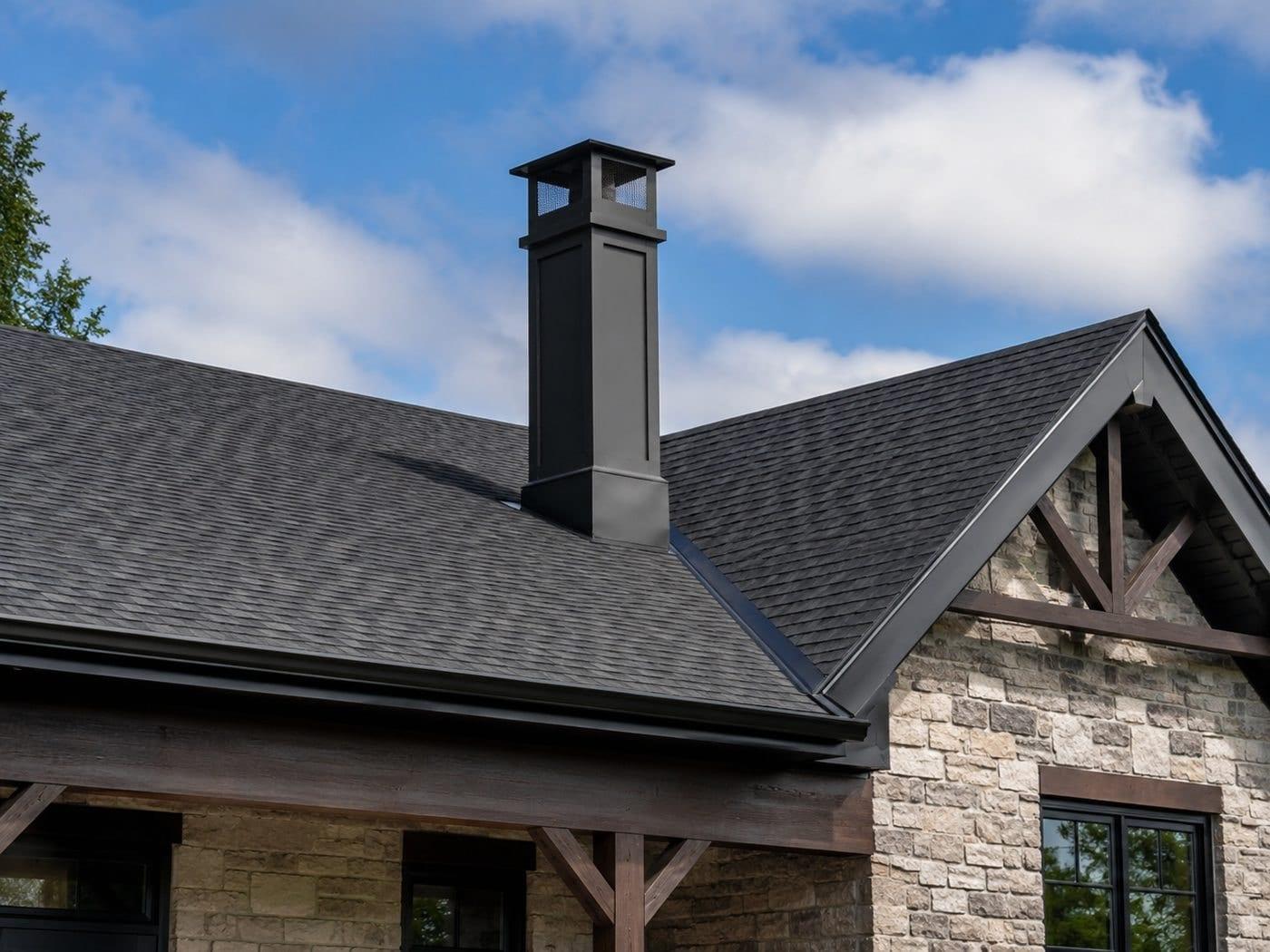
Chimney installation means building or fitting a new path for smoke and combustion gases to leave the house. That path starts at the appliance and ends at the termination above the roof. Along the way it includes the flue or vent pipe, roof penetration and flashing, a cricket where the roof needs one, a damper, and a cover or cap on top.
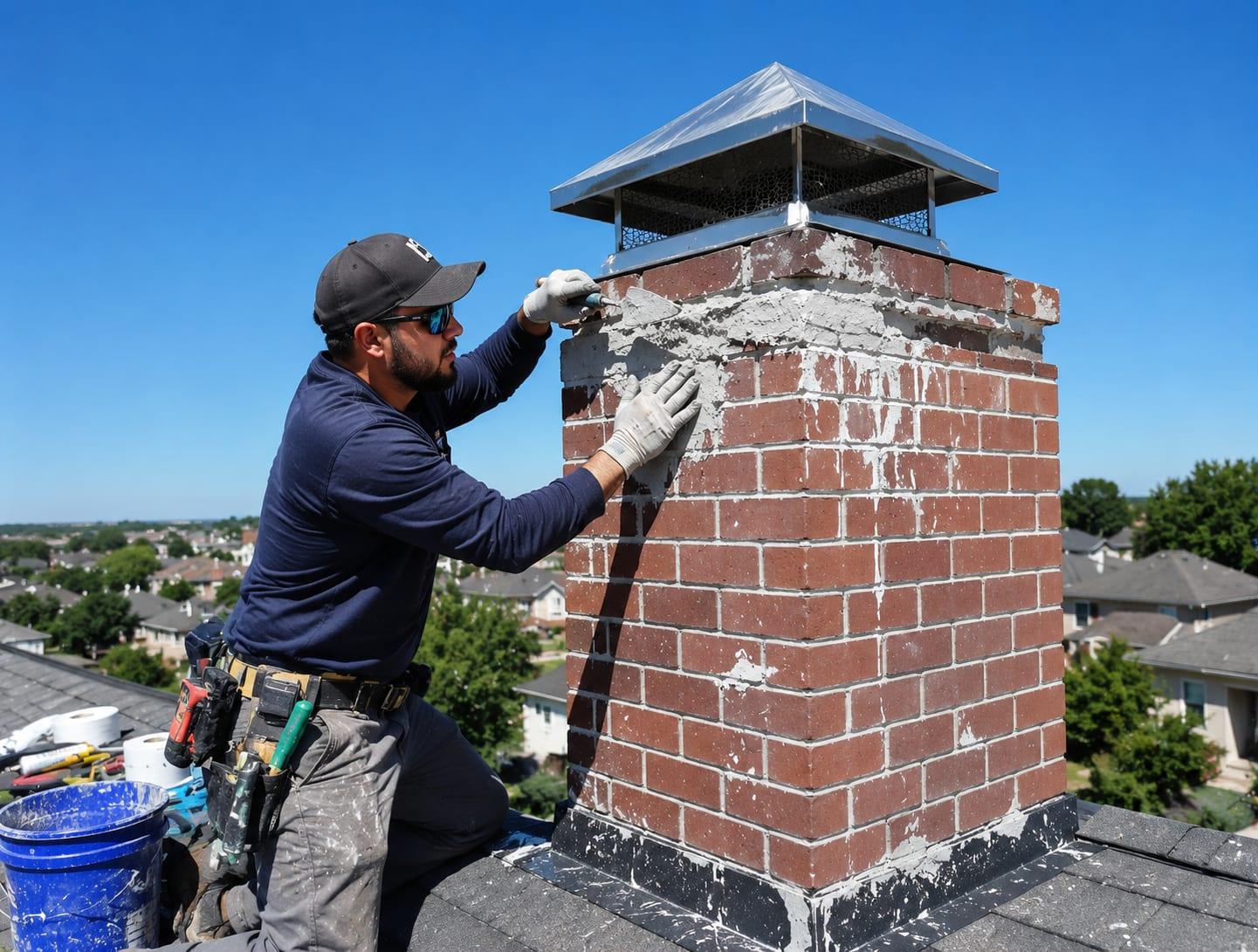
Most new chimneys fall into one of two groups. Factory-built systems use listed metal pipe inside a framed chase, and our prefab chimney installation service covers that work in detail. Masonry chimneys are built from brick or block around a liner, which is the focus of masonry and brick chimney installation. The right choice depends on the appliance, the structure of the house and how you want the finished chimney to look.
Signs a home needs a new chimney
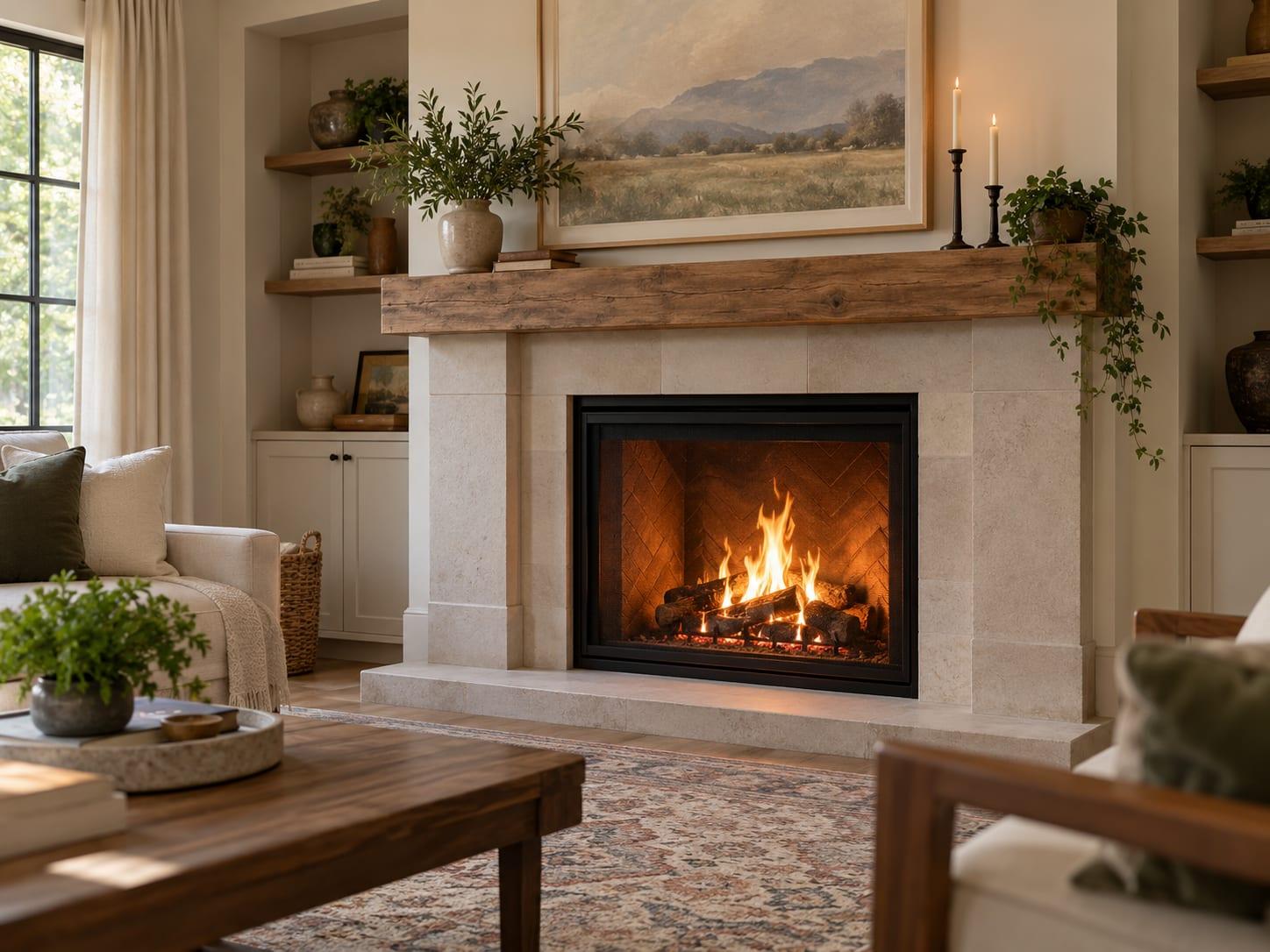
- You are adding a fireplace, wood stove, pellet stove or gas appliance where there is no chimney or vent today. For the hearth side of that project, read about installing the fireplace itself.
- A factory-built chimney has rusted through, separated at the joints or no longer matches the fireplace it serves.
- You are switching fuel types, such as going from wood to gas, and the existing flue isn't the right size or type for the new appliance.
- The existing flue is badly mismatched to the appliance, which can show up as weak draft, smoke spilling into the room or heavy buildup.
- A remodel or addition moves the hearth, so the old chimney can't serve the new location.
- An open fireplace or chimney top has no damper, cap or cover, and you want the system completed properly.
If the chimney you already have is basically sound, buildup calls for a sweep, cracked bricks or a worn crown call for repair, a chimney failing above the roofline usually needs a rebuild, and a question about condition calls for an inspection, not a new installation.
The parts of a chimney system we install
Every chimney is a set of parts that have to work together. Here is what each one does and when it applies.
| Component | What it does | When it applies |
|---|---|---|
| Flue or liner | Carries smoke and gases from the appliance to the outdoors | Every chimney; sized to the appliance |
| Vent pipe | Exhausts gas or pellet appliances through a listed vent system | Gas fireplaces, gas inserts, gas logs and pellet stoves |
| Chimney fan | Pulls exhaust up the flue mechanically | When natural draft is too weak |
| Cricket | Diverts water around the uphill side of the chimney | Wider chimneys and roofs that collect water behind the chimney |
| Damper | Closes the flue when the appliance isn't in use | Fireplaces with an open flue |
| Cover or cap | Keeps rain, debris and animals out of the top | Every chimney |
Chimney flue installation
The flue is the passage that carries exhaust out of the house. In a masonry chimney it is a clay tile or metal liner inside the brick. In a factory-built chimney it is listed metal pipe. The flue has to be the right size and rated for the fuel. A flue that is too large lets exhaust cool and stall, and one that is too small can't move enough exhaust, so we size it to the appliance's requirements.
Chimney vent installation
Gas and pellet appliances usually exhaust through a vent system made for them, not an open masonry flue. Direct-vent gas fireplaces use a sealed pipe that draws combustion air from outside and sends exhaust out through a wall or the roof. Other gas appliances use their own listed vent types. We handle gas fireplace and gas appliance work, so the venting can be installed as part of the same project as the appliance.
Chimney fan installation
A chimney fan is an electric draft inducer mounted at the top of the flue. It helps when a chimney can't draw well on its own, which can happen with short chimneys, very airtight houses or tall nearby rooflines. A fan improves draft, but it doesn't fix a blocked or badly sized flue. Those problems are corrected first.
Chimney cricket installation
A cricket, sometimes called a saddle, is a small peaked structure built on the uphill side of a chimney where it meets the roof. Without one, water and debris collect against the back of the chimney and work under the flashing. The cricket is framed, sheathed and flashed so water runs around both sides of the chimney.
Chimney cover installation
The top of the chimney needs protection from rain, leaves and animals. On a framed chase, a metal chase cover seals the top of the enclosure, and planning a chase cover explains the signs of a failing cover and the options for replacing it. The flue opening itself gets a cap, and the details are in our chimney cap installation service.
Damper installation
A damper closes the flue when the fireplace is off, which keeps conditioned air in and outside air, rain and pests out. A throat damper sits just above the firebox. A top-sealing damper mounts at the chimney top and also seals the flue from weather. If a damper is already there and simply sticks or won't seal, repairing an existing damper is usually the better job.
How fuel type shapes the chimney
| Feature | Wood-burning | Gas |
|---|---|---|
| Flue or vent | Masonry flue with liner, or factory-built pipe rated for solid fuel | Listed gas vent or direct-vent pipe sized to the appliance |
| Height above roof | Must extend high enough to draw well and clear nearby roof surfaces | Set by the vent system's listing; direct-vent may exit a wall |
| Top of the chimney | Cap, often with spark arrestor installation to keep embers in | Termination cap made for the vent system |
| Ongoing upkeep | Creosote builds up and needs regular cleaning | No creosote, but the vent and appliance still need yearly checks |
Flue or vent
- Wood-burning
- Masonry flue with liner, or factory-built pipe rated for solid fuel
- Gas
- Listed gas vent or direct-vent pipe sized to the appliance
Height above roof
- Wood-burning
- Must extend high enough to draw well and clear nearby roof surfaces
- Gas
- Set by the vent system's listing; direct-vent may exit a wall
Top of the chimney
- Wood-burning
- Cap, often with spark arrestor installation to keep embers in
- Gas
- Termination cap made for the vent system
Ongoing upkeep
- Wood-burning
- Creosote builds up and needs regular cleaning
- Gas
- No creosote, but the vent and appliance still need yearly checks
Pellet stoves fall between the two. They use a listed pellet vent pipe, and they still produce ash and some buildup that needs cleaning. We work on all major brands of fireplaces, stoves and inserts, so the chimney is matched to the specific appliance you have or plan to buy.
How an installation visit runs
From first visit to first fire
Talk through the appliance
We go over what you plan to burn, where the appliance will sit and how you want to use it.
Assess the house
We measure the route from appliance to roof and check framing, roof pitch and clearances to anything combustible.
Choose the system
We match the flue or vent type and size, the chimney style and the components such as cricket, damper and cover to the appliance.
Build and install
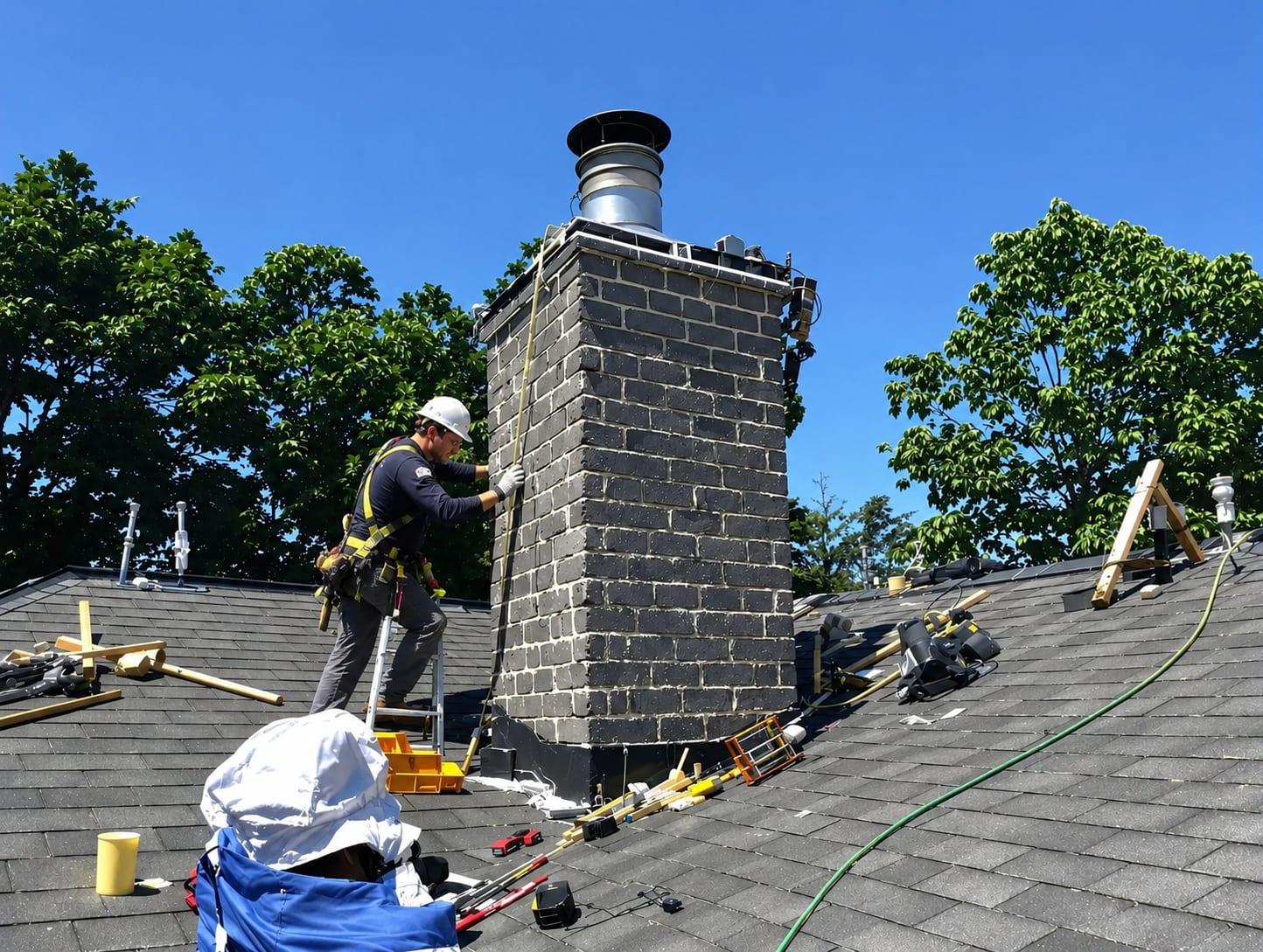
We frame the chase or lay the masonry, run the flue or vent, make the roof penetration and flash it, then install the cricket, damper and cover where they apply.
Check the draft
With the appliance connected, we confirm the chimney draws properly and that joints, clearances and flashing are right.
Walk you through it
We show you how to operate the damper and appliance and what upkeep the new system needs.
Safety and upkeep after installation
Keep a new chimney working safely
Have the chimney and appliance checked once a year, even when they're new. Wood-burning systems need regular cleaning as creosote builds up. Any home with a fuel-burning appliance should have working carbon monoxide detectors, especially near sleeping areas.
Getting a chimney installed
To start, call or request an estimate and tell us what appliance the chimney will serve and where it will go. Commercial and property-manager work is offered, so landlords and managers can arrange installations for buildings they look after. If your home is outside the city, ask about chimney installation for homes in Canton.