On this page
What chimney damper repair involves
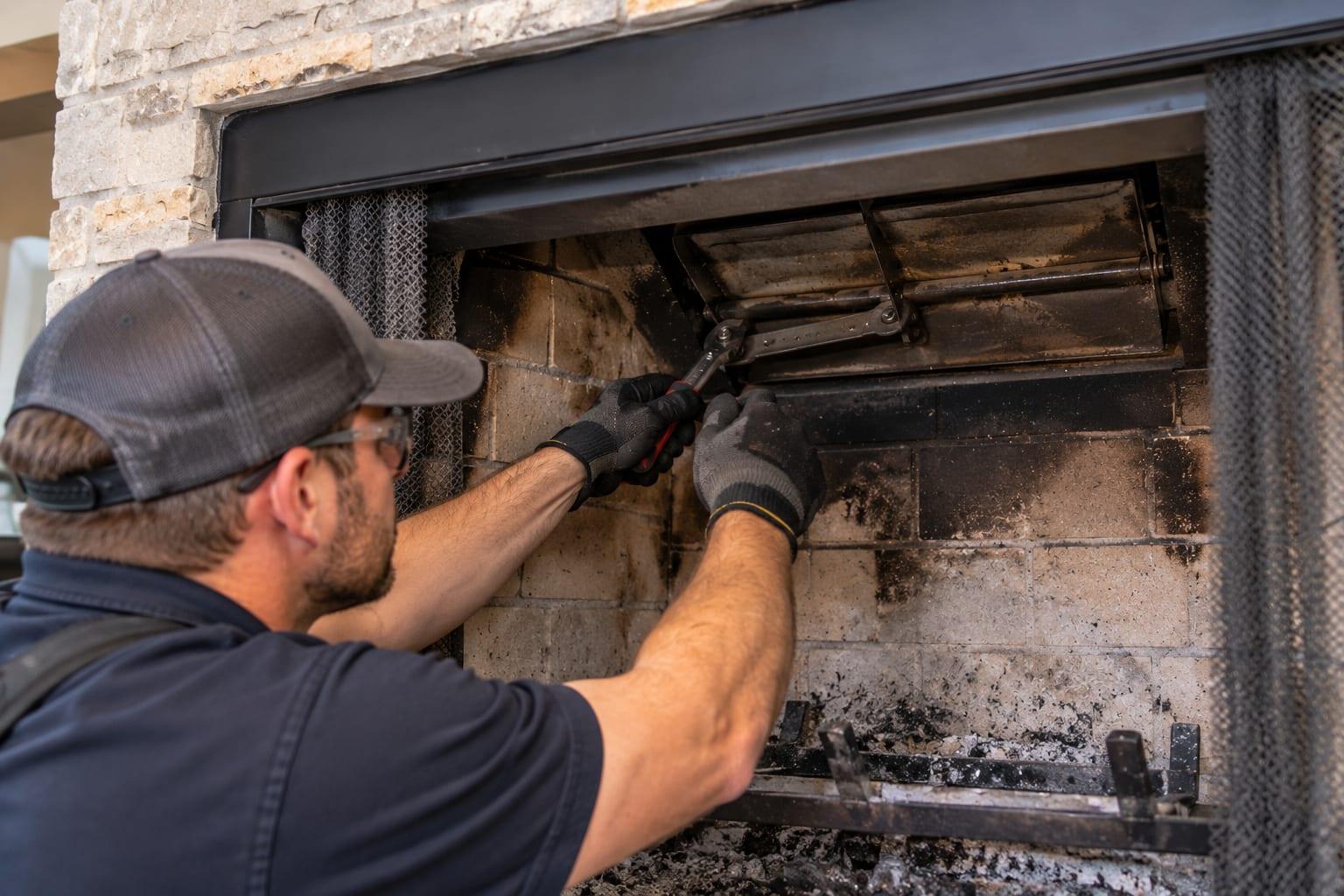
The damper is the movable plate that opens the flue for a fire and closes it afterward. Most older fireplaces have a throat damper, which is a cast-iron or steel plate just above the firebox that you work with a handle or rotating rod. Chimney damper repairs can mean freeing a seized plate, replacing a broken handle, rod or spring, or replacing a warped plate or worn gasket. When the frame itself has rusted or cracked, chimney damper replacement is usually the better fix.
A working damper matters because it controls the two things you notice most: whether smoke goes up the chimney, and whether heated or cooled air stays in the house when the fireplace is off.
Signs your damper needs repair
- The handle won't move, or it moves but the plate doesn't
- Smoke drifts into the room even though the damper seems to be open
- A draft, rattle or whistling comes from the fireplace when it isn't in use
- Rust flakes or debris drop into the firebox when you work the damper
- Daylight is visible up the flue with the damper closed
Stuck chimney damper
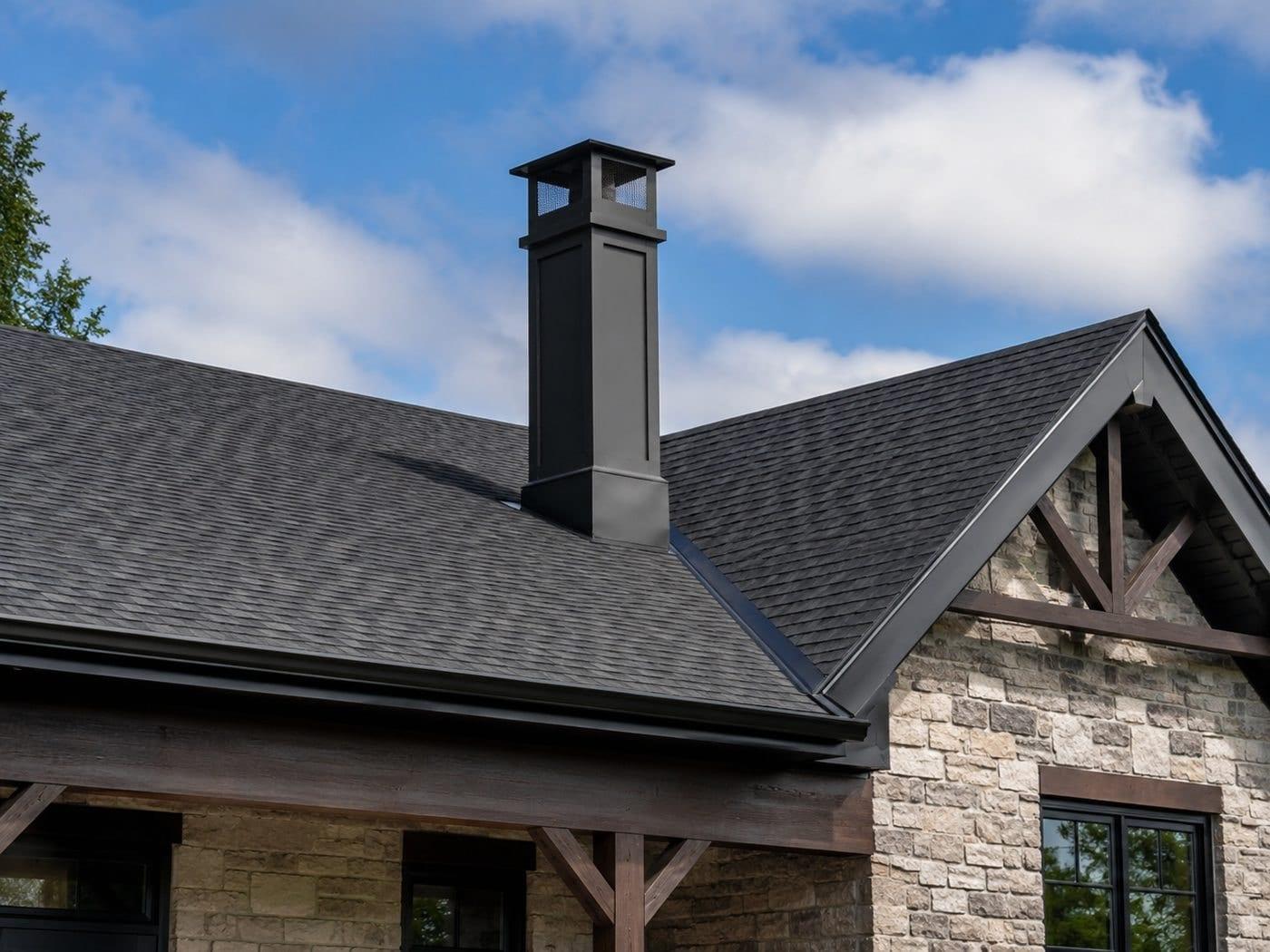
Rust and buildup are the usual causes. Rain coming down an uncapped flue corrodes the plate and its pivots, and creosote can glue them in place. When the top of the chimney is letting water in, fixing a damaged chimney cap stops the problem at its source. A buyer's guide to chimney caps explains the options if a new cap is needed.
Cleaning and lubrication
Some dampers only need their soot and creosote cleaned off, followed by a high-temperature lubricant on the pivot points, to move freely again. Bent plates and broken parts need to be replaced.
Fireplace smoke problems and how to eliminate them
A plate that opens only partway, or a broken plate hanging in the throat, narrows the path smoke has to take. The damper is only one possible cause, though. A blocked flue, a damaged chimney smoke chamber or a firebox that is shaped wrong can produce the same symptom. If the smoke chamber walls above the damper are cracked or rough, repairing the firebox and smoke chamber may be part of the solution.
To cut down on fireplace smoke, check that the damper is fully open before you light the fire, burn only dry, seasoned wood and keep fires a reasonable size. If smoke still comes into the room after those steps, have the chimney looked at. A smoke smell can also point to buildup in the flue.
Upgrading to a top-sealing damper
When a throat damper is too far gone, a top-sealing damper is an alternative. It mounts at the top of the flue, closes with a gasketed lid and is operated by a cable that runs down into the firebox. Because it closes off the whole flue, it also keeps out rain and animals. The guide to damper problems, causes and fixes compares it with a throat damper.
What the visit involves, step by step
How a damper repair visit runs
Test the damper
We work the handle and watch how the plate moves, seals and seats in its frame.
Inspect the surroundings
We look at the smoke chamber, the flue and the top of the chimney for the cause of the failure.
Explain the options
We tell you whether cleaning, a part, a new plate or a top-sealing damper makes sense.
Make the repair
We complete the agreed fix and then run the damper through its full range several times.
Booking chimney damper repair
Call or request an estimate. Our 24-hour service runs Sunday through Friday, and we accept emergency calls. Gas fireplace work is offered, as are commercial and property-manager jobs.
What the technician checks
- Handle, chain or control
- Smoke chamber above the damper
- Crown and flue top for a top-sealing damper
- Damper plate and frame
- Seal when closed
- Rust and warping
Damper open before every fire
Always open the damper fully before lighting a fire and leave it open until the fire is completely out and the fireplace is cold. A closed damper sends smoke and carbon monoxide into the room. If the fireplace has gas logs, leave the damper as the installer set it — vented gas logs need it open.
How to prepare
- Let the fireplace cool completely — no fire the day before.
- Clear the hearth and the area in front of the fireplace.
- Note whether the damper sticks open, sticks closed or won't seal.