What homes in Johns Creek can book
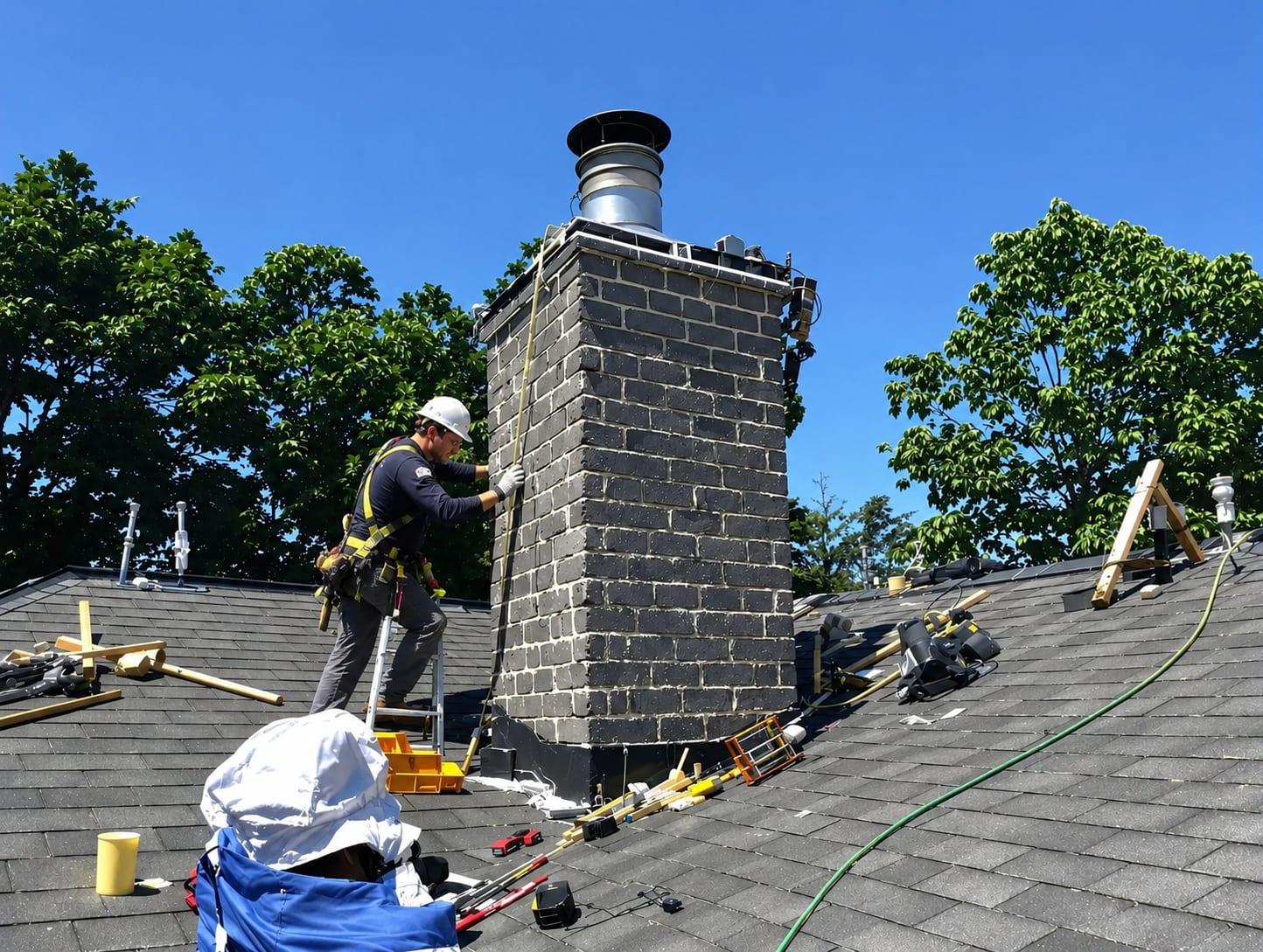
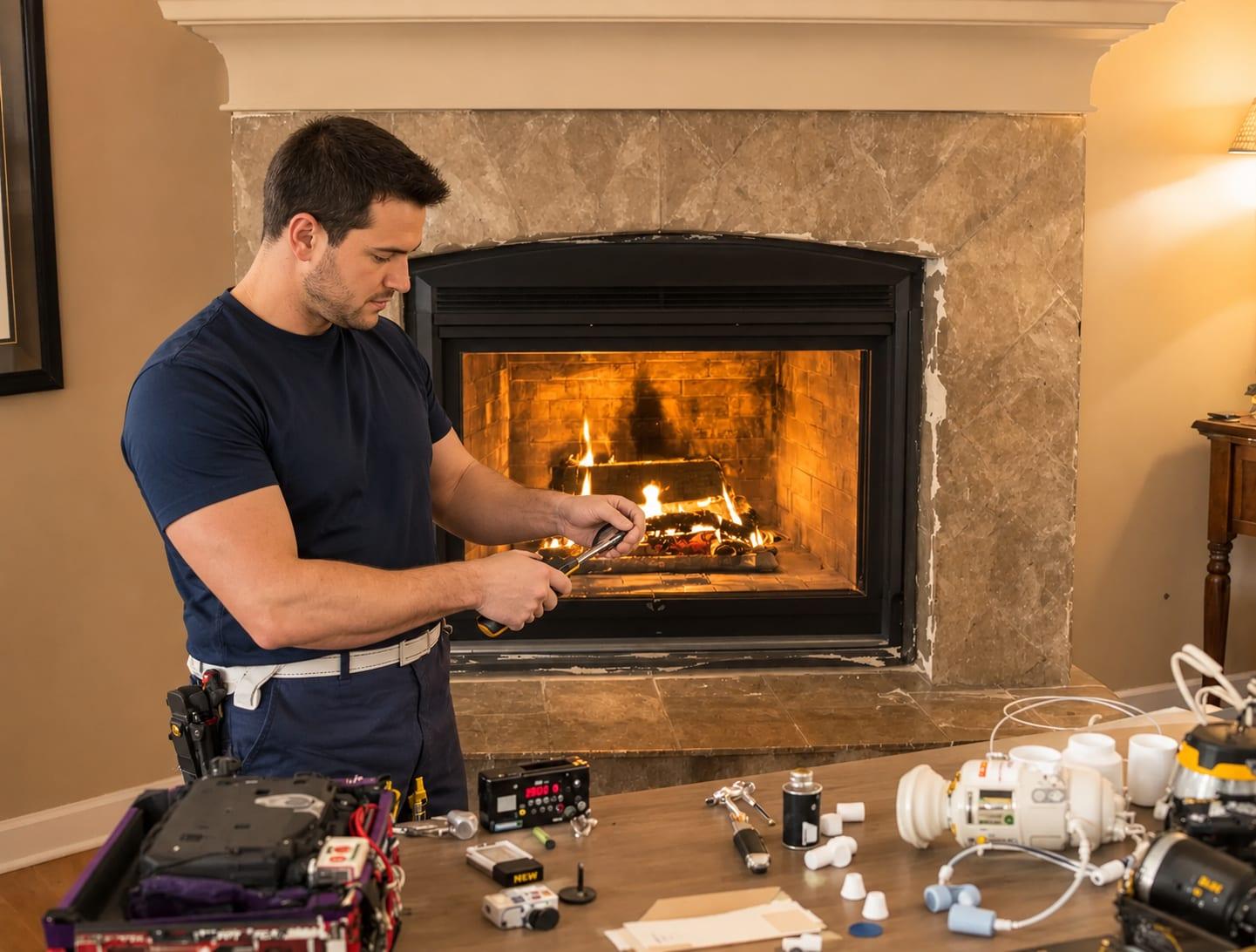
We do chimney, fireplace and dryer vent work for houses across Johns Creek, from routine cleaning up to rebuilding damaged masonry. Most visits start with one of three jobs:
- A chimney sweep for homes in Johns Creek to clear soot and creosote from the flue before you start using the fireplace again
- A chimney inspection in Johns Creek when you're buying or selling, after a storm, or when something looks or smells wrong
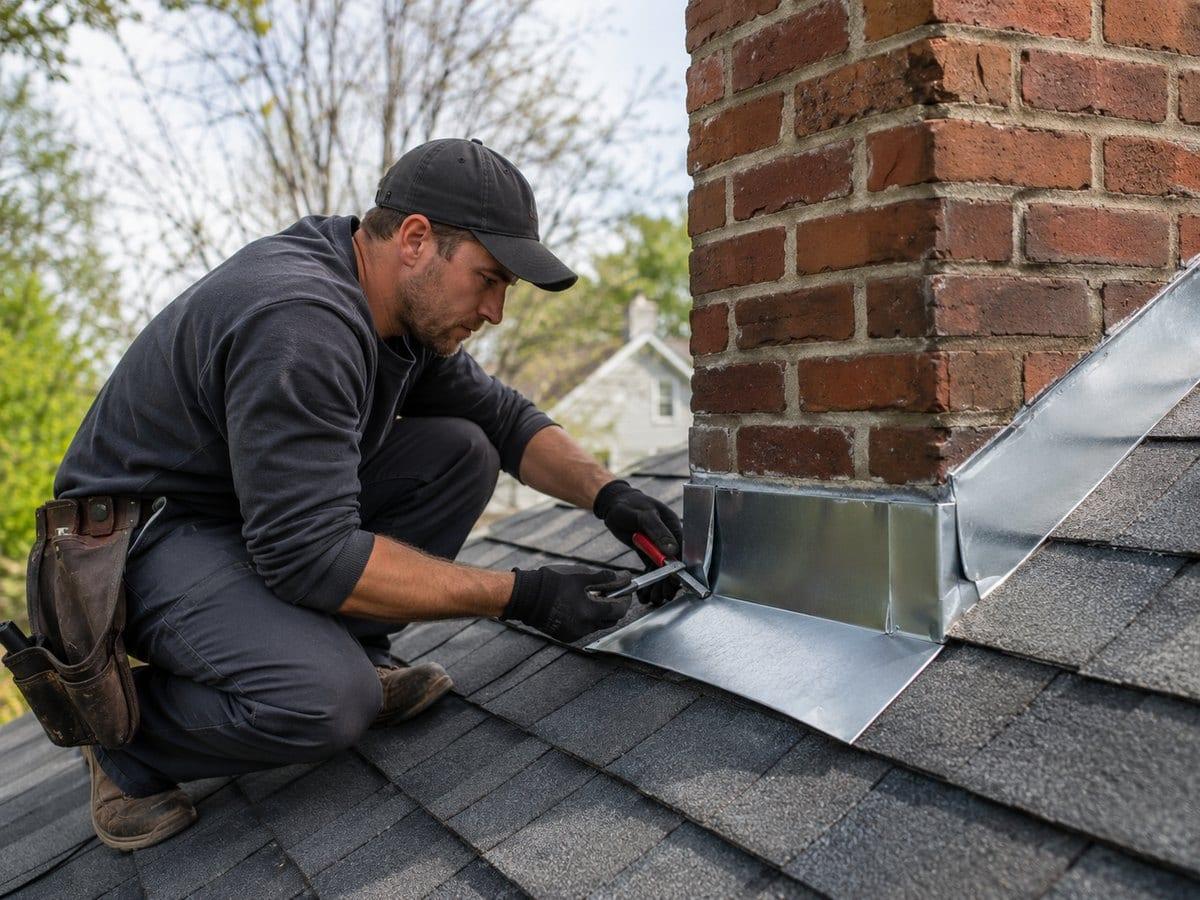
- Masonry, leak and liner repair chimneys when there are cracked crowns, loose brick, worn flashing or water stains near the fireplace
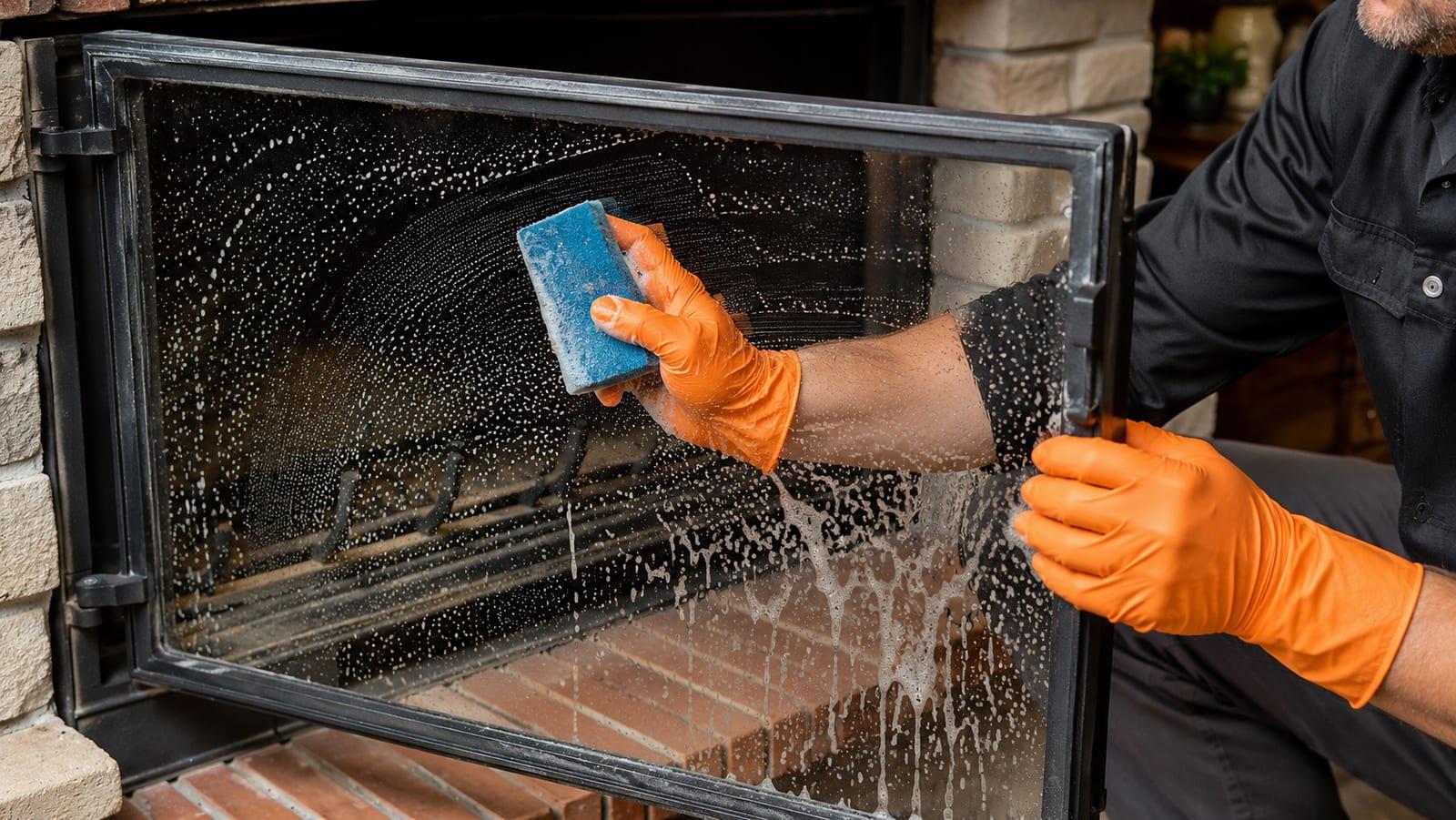
Inside the house, we also handle cleaning the firebox, glass and insert, along with dryer vent cleaning, airflow testing and rerouting.
What the Census building dates mean for local chimneys
According to the U.S. Census Bureau's American Community Survey 2019–2023 5-year estimates (table B25034, Year Structure Built), almost all of the housing units in Johns Creek were built in 1960 or later.
In practical terms, that means very few homes here date from before 1960. Houses built after that point generally use one of two systems: a masonry chimney with a clay tile flue liner, or a factory-built fireplace that vents through a metal flue inside a wood-framed chase. Each one wears out in its own way, so it helps to know which one you have.
Built after 1960 doesn't mean new. A house from the late 1960s or the 1980s has a chimney that has been through decades of fires, rain and temperature swings, and the parts that fail first are usually the ones you can't see from the yard.
Masonry chimneys with clay tile liners
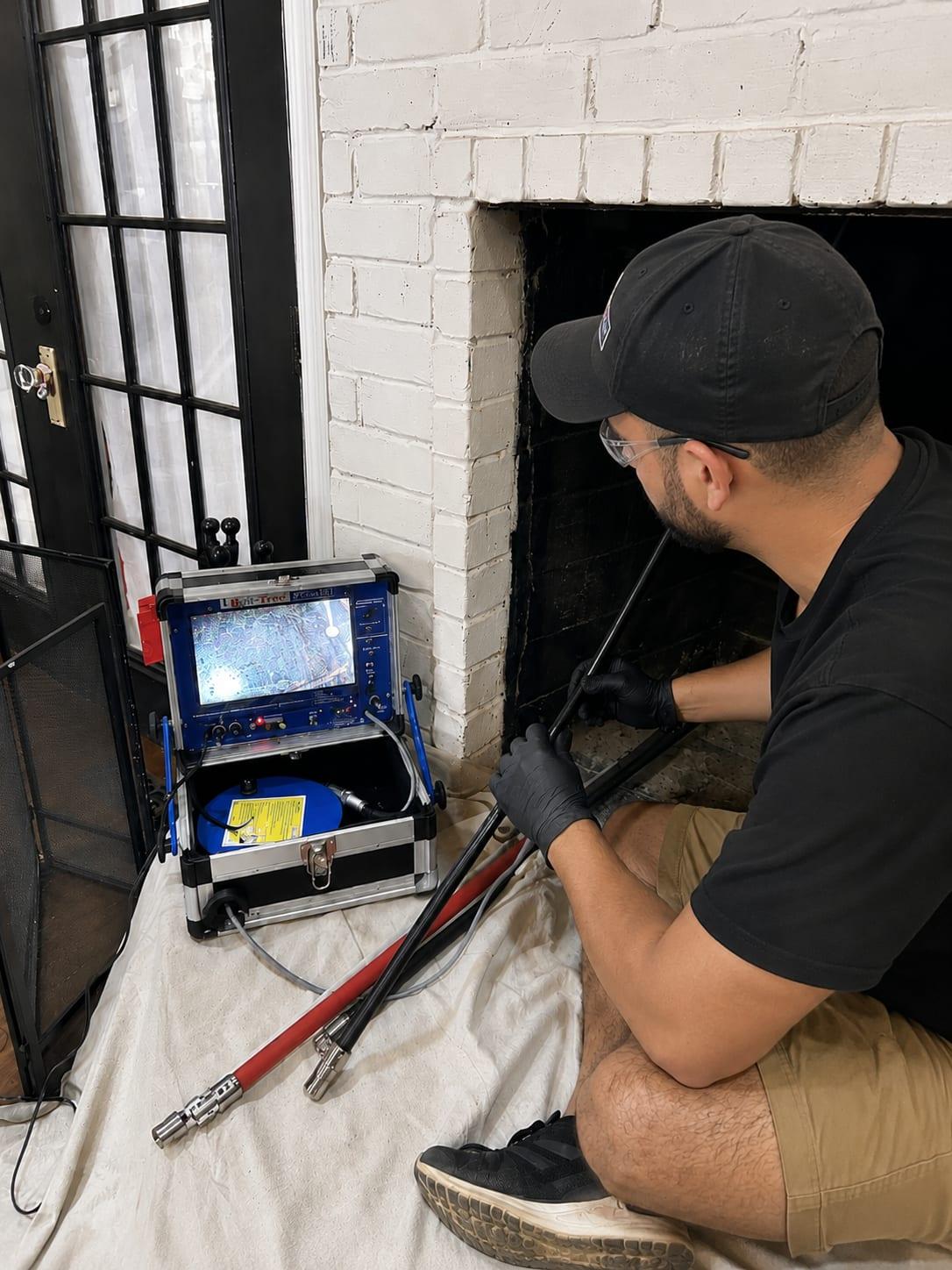
Clay flue tiles can crack from heat or a past chimney fire, and the mortar joints between them can erode, leaving gaps where heat and gases reach the surrounding brick. Up top, the concrete crown often develops cracks that let water into the masonry. A camera run down the flue shows liner damage that a flashlight from the firebox can't.
Factory-built fireplaces and framed chases
With a factory-built unit, the weak points are different. The metal cover on top of the chase can rust and hold water, which then leaks down inside the framing. Metal flue sections can separate or corrode, and the refractory panels lining the firebox crack with age. Cracked panels, sticking doors and broken glass are all part of our fireplace repair work, and replacement parts need to match the unit's make and model.
When the pilot won't light or the flame keeps dying
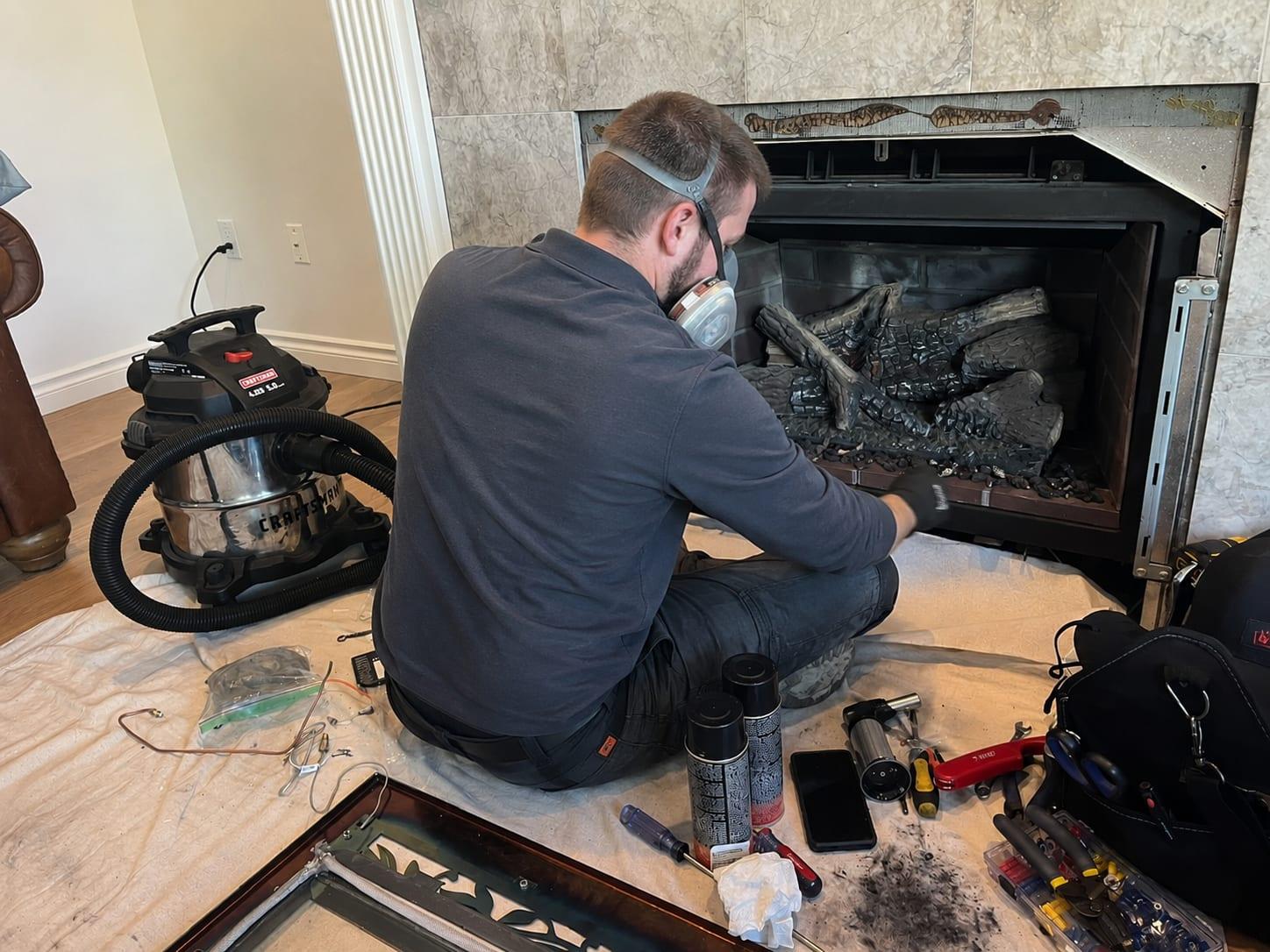
We work on gas fireplaces and gas appliances. When a unit won't light, lights and then shuts off, or burns with a lazy, sooty flame, the cause is usually one of a short list of parts: a dirty pilot assembly, a worn thermocouple or thermopile, a failing igniter or valve, clogged burner ports, or a venting problem that trips the safety shutoff. Our gas fireplace service covers finding the actual cause rather than swapping parts until something works.
If you smell gas
Don't try to light the fireplace or flip switches. Leave the house and call your gas utility from outside. Once the gas side has been made safe, we can track down why the unit was misbehaving.
Patch it, or take it down to sound brick?
Most masonry problems can be repaired without a rebuild: repointing worn mortar joints, resealing or recasting the crown, replacing a few damaged bricks, or redoing the flashing. A rebuild makes sense when the damage goes deeper than the surface, such as:
Signs a rebuild may be the better repair
- The chimney is leaning or pulling away from the house
- Bricks are loose through many courses, not just a few at the top
- Brick faces are flaking or crumbling across large areas
- Repeated patches above the roofline keep failing
- Storm or impact damage has cracked the structure itself
Often only the section above the roofline needs to come down and go back up. An inspection first tells you how far the damage goes before anyone starts removing brick.
Sources (1)
Facts and figures on this page come from these references.
- 1U.S. Census Bureau, American Community Survey 2019–2023 5-year estimates, table B25034 (Year Structure Built)