On this page
What chimney cap repair involves
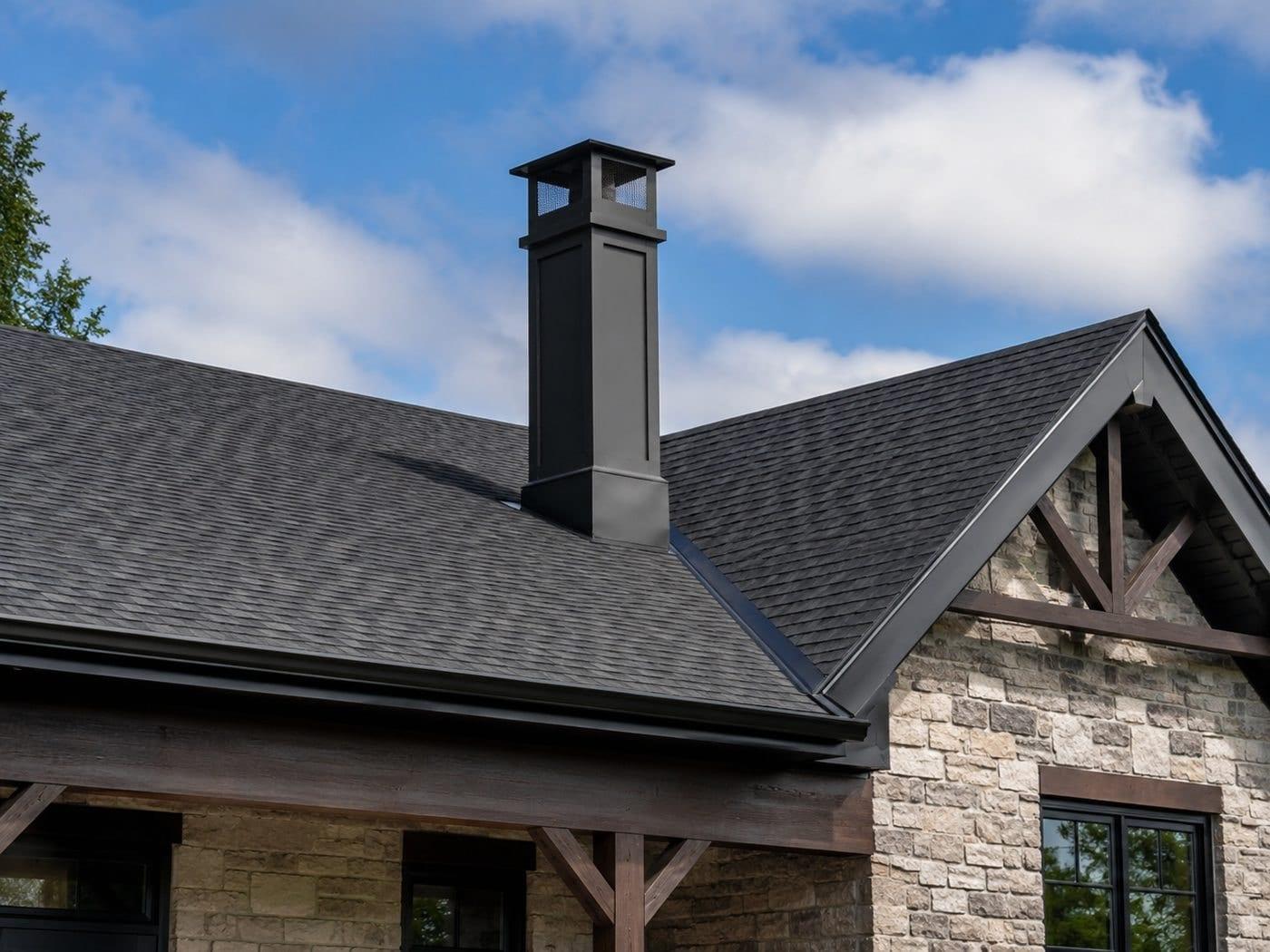
A chimney cap is the covered metal piece at the top of the flue. It usually has a lid to shed water and a mesh screen to keep out leaves, birds and other animals. Chimney cap repair means fixing the cap that is already there rather than swapping it out. Typical repairs include re-fastening a cap that has worked loose, straightening a lid that was bent by a branch or wind, replacing a torn or rusted-through screen, and re-securing the base to the flue tile or crown.
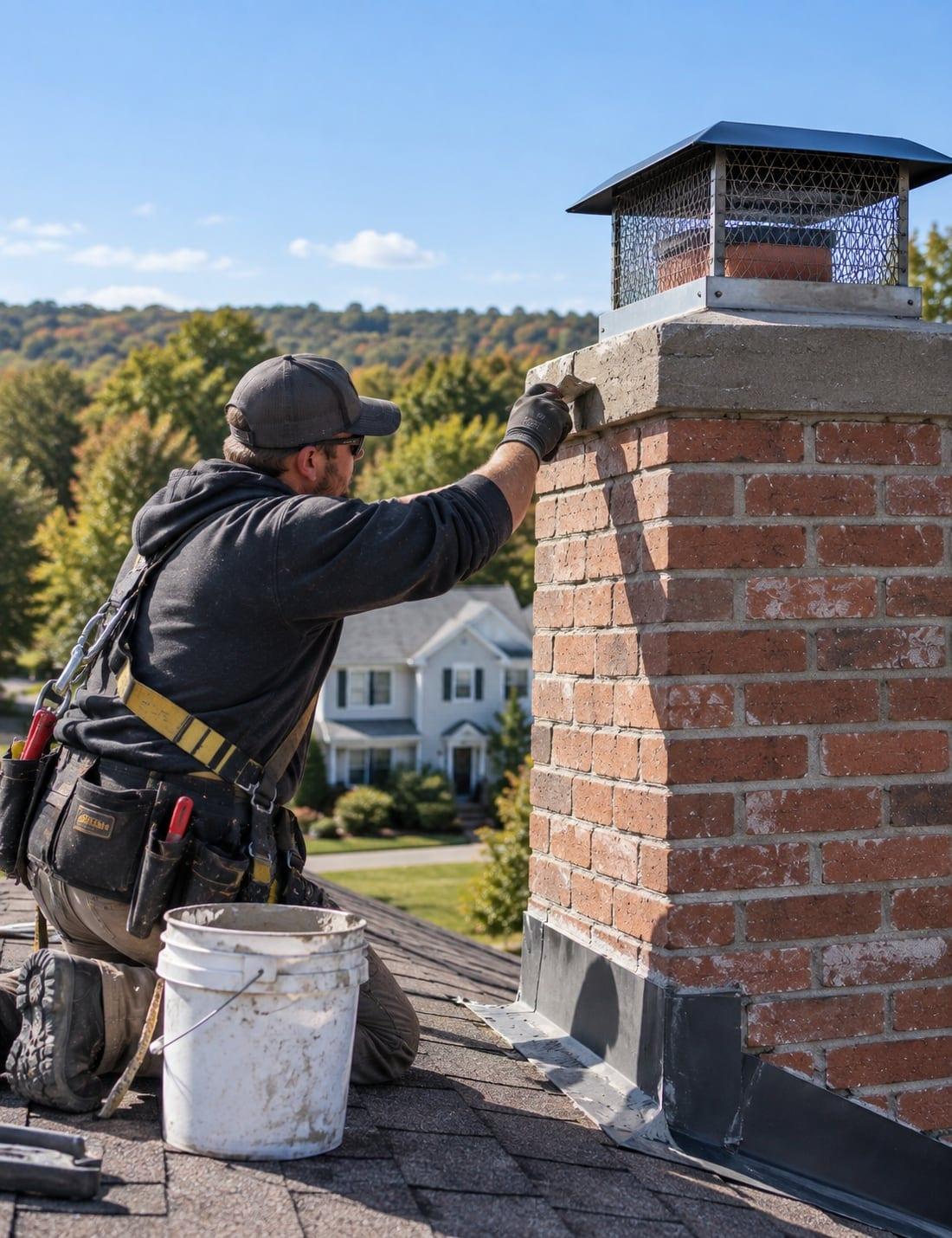
Repair makes sense when the cap is basically sound and only one part has failed. If the metal is rusted through or the cap no longer fits the flue, chimney cap replacement is the better job. If the chimney has no cap at all, the right job is chimney cap installation.
Common cap materials
- Galvanized steel is common and affordable, but it can rust once its coating wears through.
- Stainless steel resists rust much better and usually holds up well to repairs such as screen or fastener work.
- Copper weathers to a green patina and lasts a long time. Repairs to copper should use compatible fasteners to avoid corrosion.
If you are weighing materials and styles before a future upgrade, a buyer's guide to chimney caps covers the options in more detail.
Signs your chimney cap needs repair
Look for these from the ground or inside the house
- The cap sits crooked, rattles in the wind or looks lifted off the flue
- The lid is dented, bent or partly folded down
- Visible holes, gaps or rust streaks in the mesh screen
- Water dripping into the firebox or damp marks after rain
- Leaves, twigs or nesting material falling into the fireplace
- Scratching, chirping or other animal sounds in the chimney
- Rust stains running down the side of the chimney below the cap
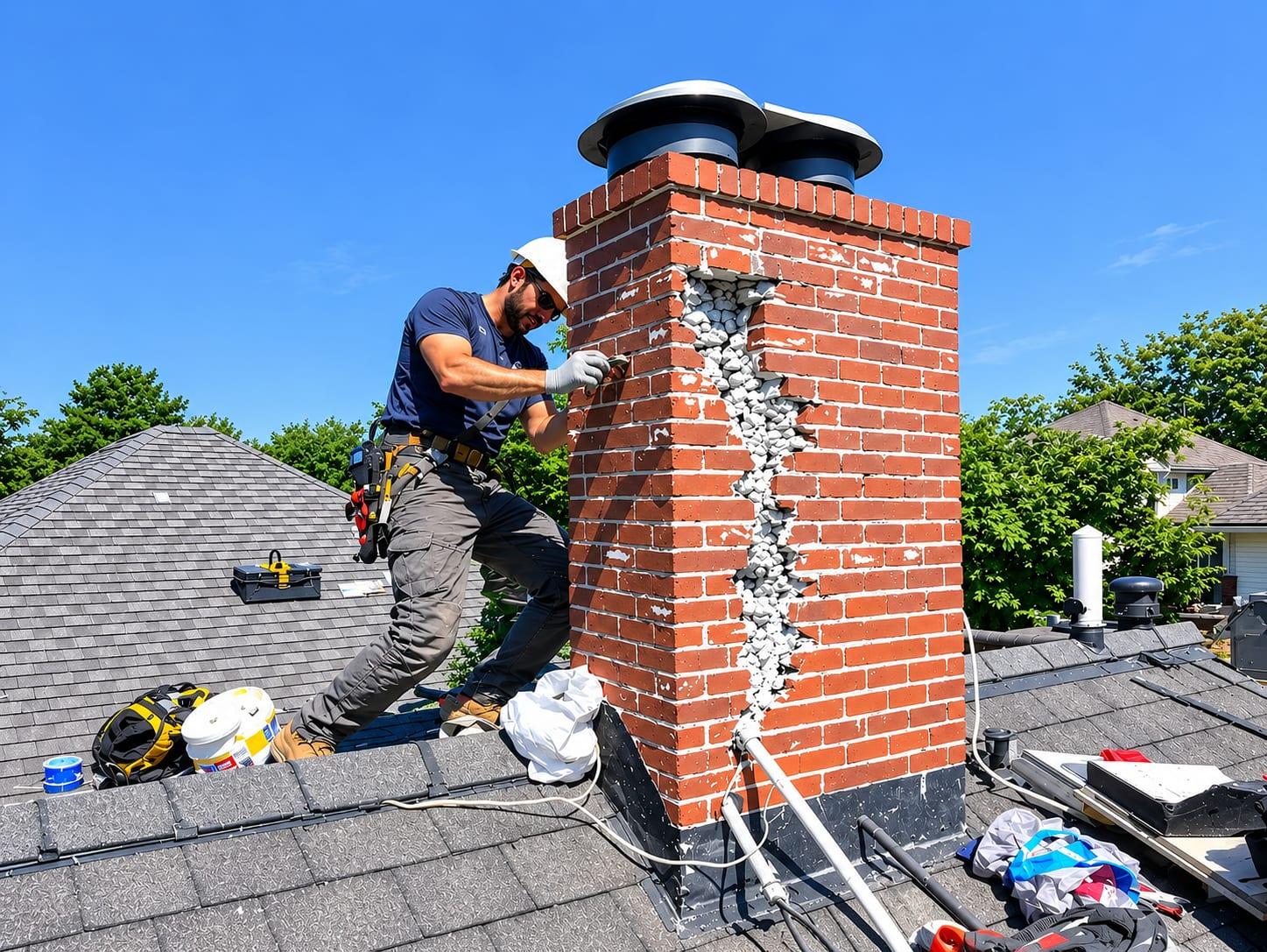
Several of these signs can also point to problems lower down, such as a cracked crown or failed flashing. That is why a cap visit includes a look at what sits under and around it, and the fix may turn out to be broader chimney repair work.
What the visit involves, step by step
How a chimney cap repair visit runs
Talk through what you have noticed
Leaks, noises, debris in the firebox or visible damage all help point the technician to the likely cause.
Inspect the cap on the roof
We check the fasteners, lid, screen, base and how well the cap fits the flue, and look for rust or metal fatigue.
Check what is underneath
We look at the crown, flue tile and the top of the flue for cracks, water damage, nests or debris that the damaged cap may have let in.
Explain repair or replacement
You hear what is wrong and whether a repair will hold or whether the cap has reached the point where replacing it makes more sense.
Make the repair
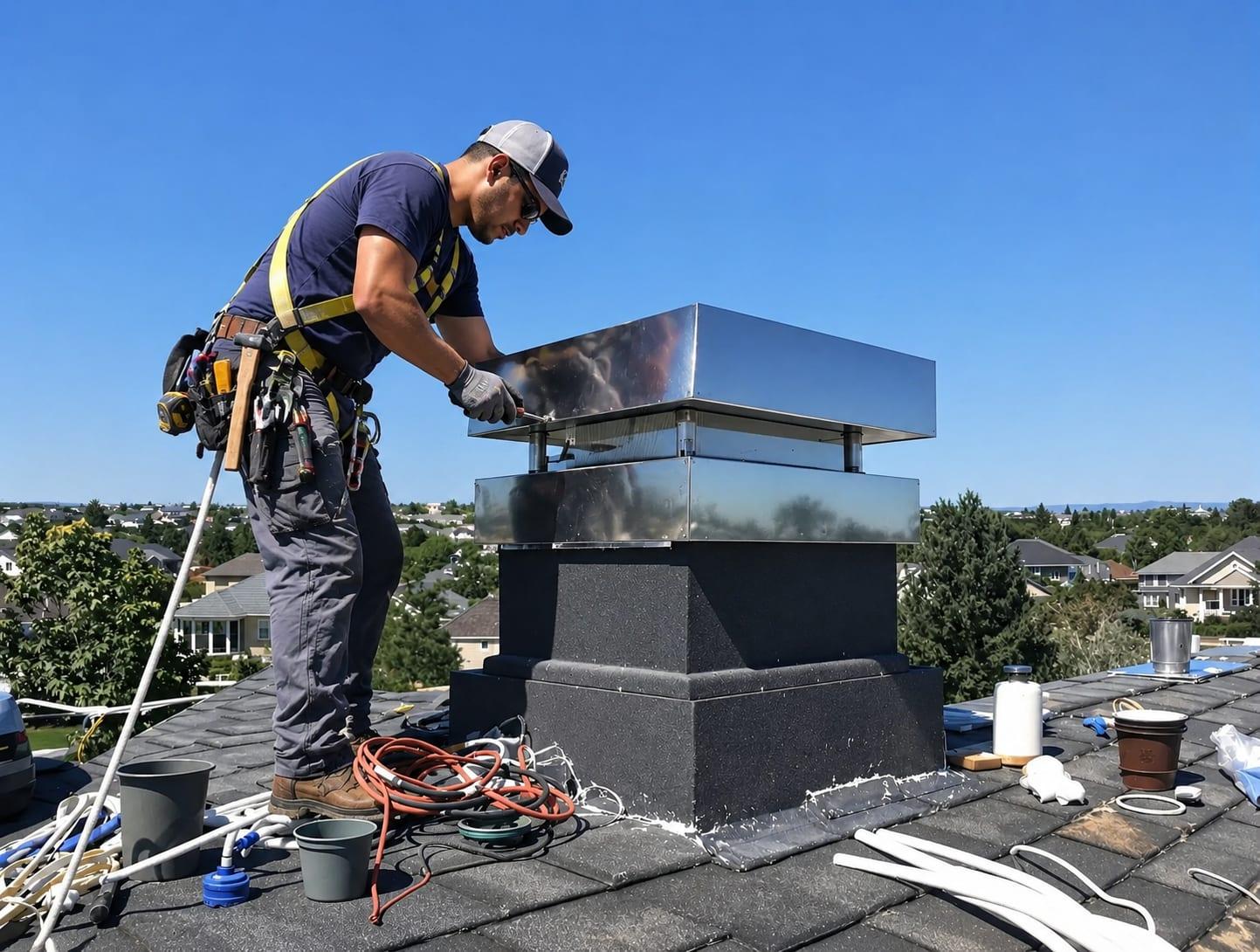
That can mean re-securing the cap, straightening or reshaping the lid, replacing the screen, or swapping corroded fasteners.
Confirm the fit
We check that the cap is tight, sits level and covers the flue fully before leaving the roof.
Safety and maintenance
Stay off the roof
Chimney caps sit at the highest, steepest point of most roofs. Spot problems from the ground with binoculars or from inside at the fireplace, and leave the climbing to us.
If a cap has fallen into the flue, or you see signs of a nest or heavy debris, hold off on using the fireplace until the chimney is checked. A blocked flue can push smoke and carbon monoxide back into the house. Water getting past a damaged cap can also wear on the flue lining over time; this guide to chimney liner hazards and how to avoid them explains what to watch for.
- Look up at the cap after strong storms or high winds.
- Watch for new rust streaks, which often mean the metal or fasteners are breaking down.
- Have the cap checked as part of routine chimney inspection and cleaning, when its condition can be seen up close.
Booking a chimney cap repair
Get in touch to describe what you are seeing and schedule a visit. 24-hour service runs Sunday–Friday, and emergency calls are accepted, which helps if a cap has blown loose or an animal has gotten into the flue. Commercial and property-manager work is offered, so cap repairs across several buildings can be arranged too.