The short answer
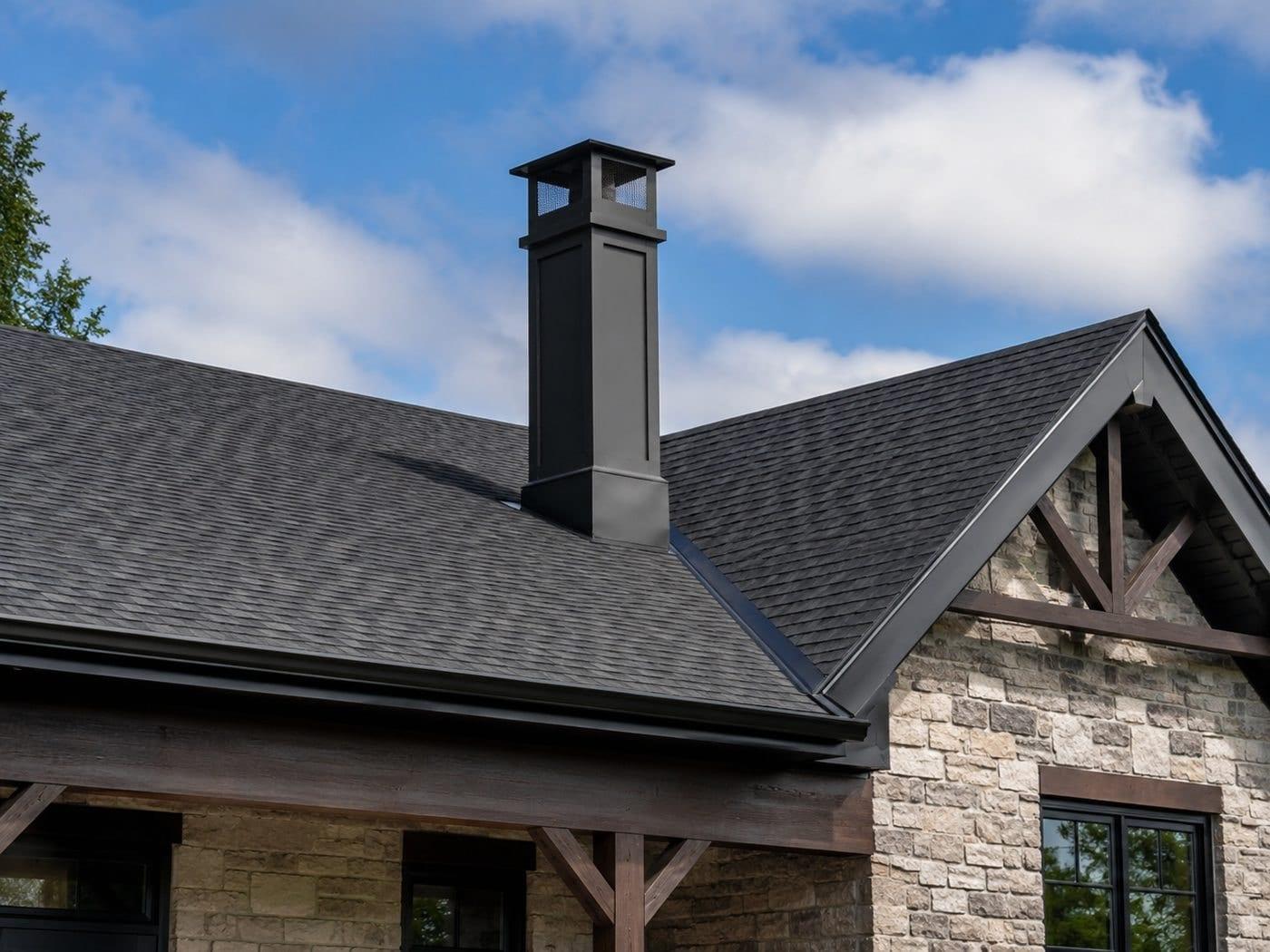
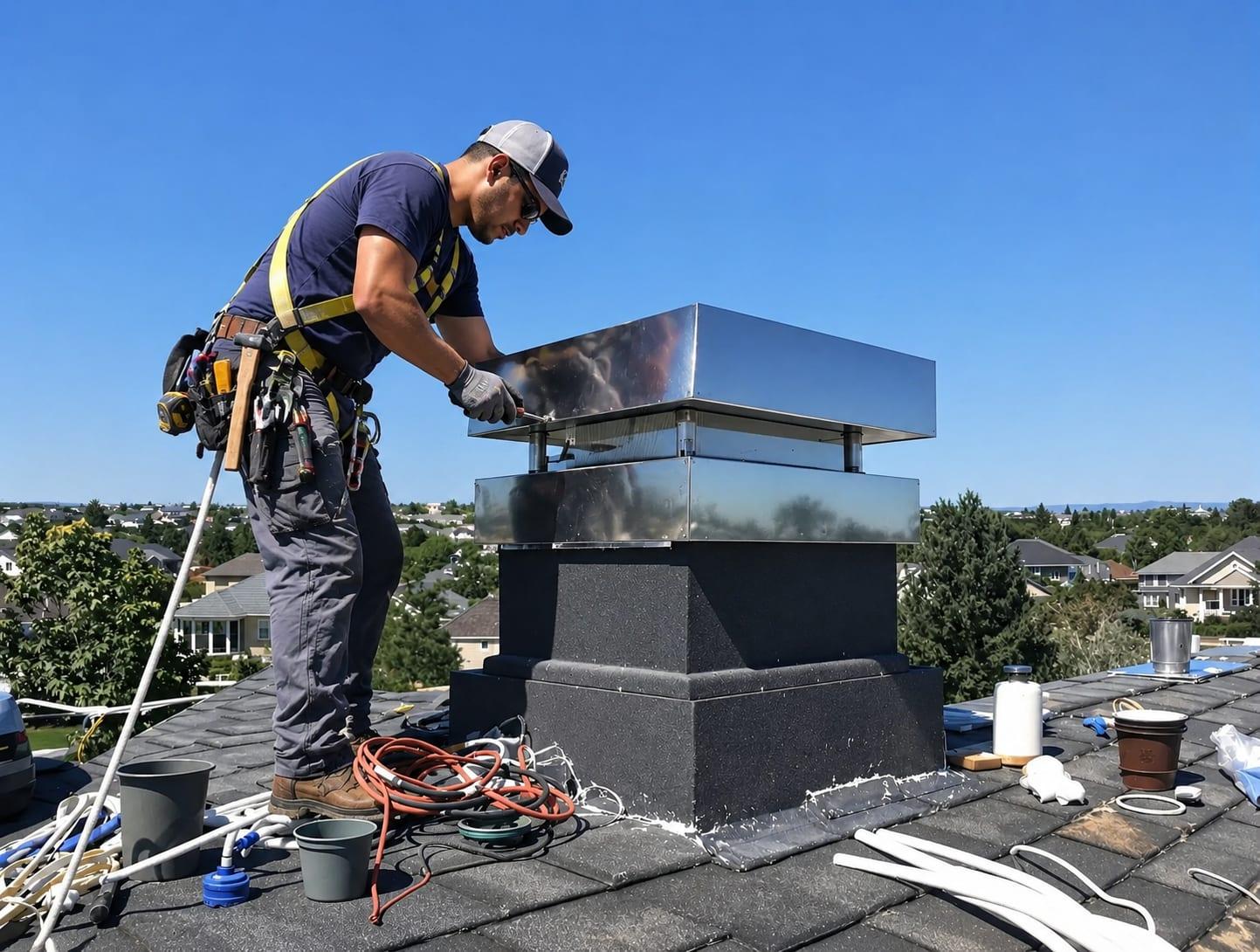
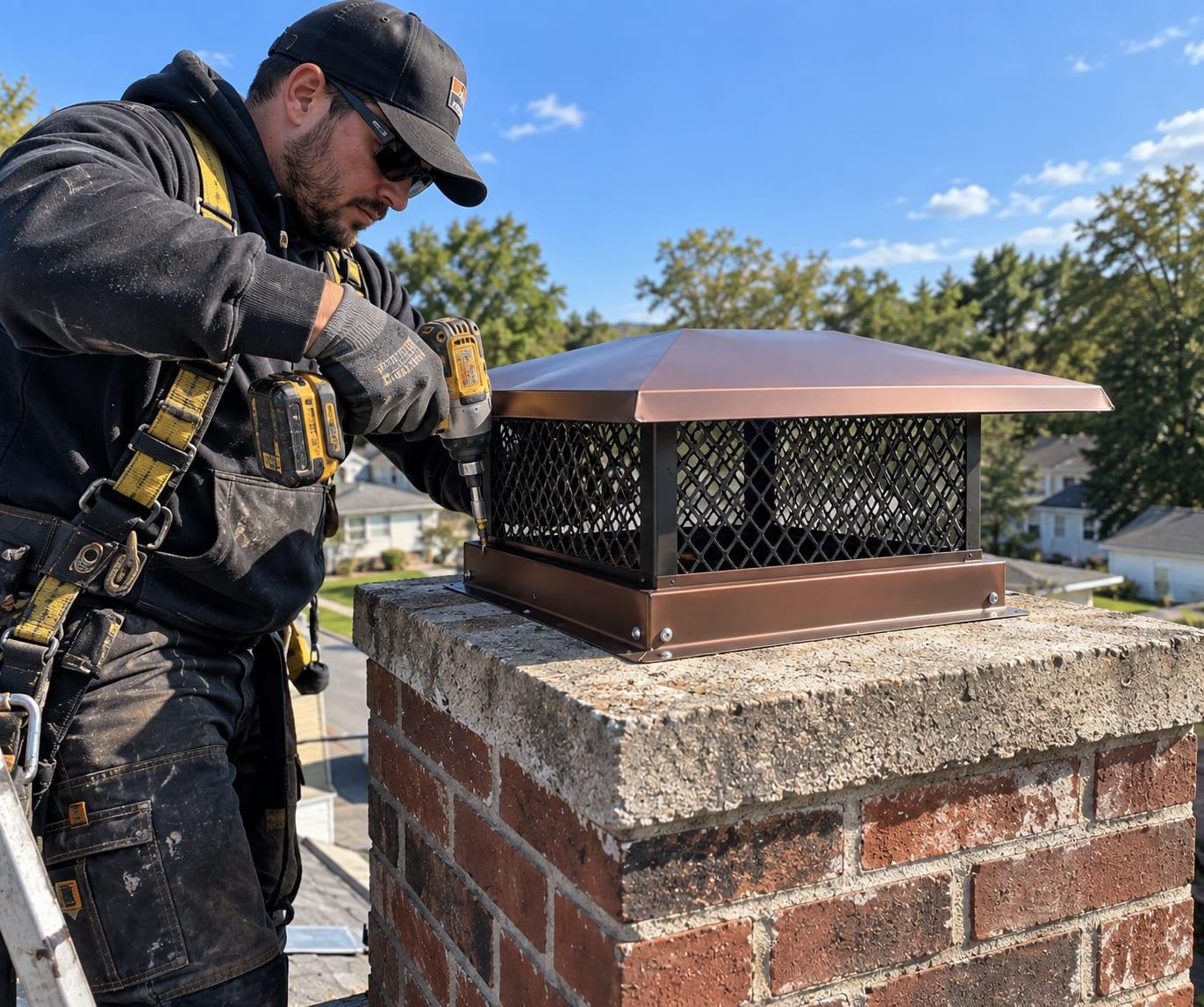
A chimney cap is a cover that sits over the top of the flue to keep rain, leaves and animals from getting inside. A spark arrestor is a wire mesh screen that catches burning embers before they can leave the chimney and land on your roof or yard. The two are often built into one unit: a cap with a mesh skirt does both jobs. A bare hood with no mesh only does the cap's job. A mesh cage with no hood only does the arrestor's job.
| Feature | Chimney cap | Spark arrestor |
|---|---|---|
| Main job | Keeps water, debris and animals out of the flue | Keeps embers and sparks from escaping the flue |
| Basic form | A hood or lid raised above the flue opening | A wire mesh screen around or over the flue opening |
| Stops rain falling down the flue | Yes, the hood does this | No, mesh alone lets rain through |
| Stops embers | Only if it has a mesh screen | Yes, that is its purpose |
| Keeps birds and animals out | Only if it has a mesh screen | Yes, the mesh blocks entry |
| Most relevant for | Every chimney, whatever the fuel | Wood-burning fireplaces and stoves |
Main job
- Chimney cap
- Keeps water, debris and animals out of the flue
- Spark arrestor
- Keeps embers and sparks from escaping the flue
Basic form
- Chimney cap
- A hood or lid raised above the flue opening
- Spark arrestor
- A wire mesh screen around or over the flue opening
Stops rain falling down the flue
- Chimney cap
- Yes, the hood does this
- Spark arrestor
- No, mesh alone lets rain through
Stops embers
- Chimney cap
- Only if it has a mesh screen
- Spark arrestor
- Yes, that is its purpose
Keeps birds and animals out
- Chimney cap
- Only if it has a mesh screen
- Spark arrestor
- Yes, the mesh blocks entry
Most relevant for
- Chimney cap
- Every chimney, whatever the fuel
- Spark arrestor
- Wood-burning fireplaces and stoves
What each part does in detail
The chimney cap
An open flue is a straight path from the sky into your fireplace or stove. Rain that falls straight down the flue wets the inside of the chimney, rusts the damper and firebox parts, and mixes with soot to cause a sour smell. Leaves, twigs and nesting material can build up and block the flue. A cap's hood sheds that water and debris while leaving gaps on the sides for smoke and gases to escape. If your flue already shows signs of water getting in, the cap is one piece of the picture. Water also enters through the crown, the flashing and the brick, which is why tracking down where a chimney leak starts goes beyond the flue opening.
The spark arrestor
A wood fire sends small glowing embers up the flue with the hot air. Most burn out on the way up, but some can still be lit when they reach the top. A spark arrestor's mesh traps those embers long enough for them to cool and burn out. That protects the roof, gutters full of dry leaves, nearby trees and anything else close to the chimney. The mesh also keeps out birds, squirrels and raccoons, so people sometimes call it an animal screen even when fire safety is the bigger reason to have it.
The common setups on a chimney top
| Setup | Keeps rain out of the flue | Catches embers | Keeps animals out |
|---|---|---|---|
| Hood-only cap (no mesh) | Yes | No | No |
| Cap with mesh skirt (spark-arresting cap) | Yes | Yes | Yes |
| Mesh screen or cage with no hood | No | Yes | Yes |
| Multi-flue cap covering the whole crown, with mesh | Yes | Yes | Yes |
| No cap at all | No | No | No |
For a wood-burning chimney, the cap with a mesh skirt is the usual answer because it handles water, animals and embers at once. A screen with no hood stops embers but still lets rain fall straight in. A hood with no mesh does the reverse.
What helps a homeowner decide
Questions to answer before choosing
- What do you burn? Wood throws embers, so mesh matters most there. Gas and some other appliances need the termination cap their maker specifies, and extra mesh can interfere with how they vent.
- Is the chimney masonry or factory-built? Prefab metal chimneys are designed around specific cap parts, so a generic cap is not always the right fit.
- How many flues come out of the top? One cap per flue works, and so does a single larger cap over the whole crown, but it has to be sized to cover every flue.
- What is near the chimney? Overhanging branches, a roof full of leaves or a dry yard make catching embers more important.
- What shape is the existing cap in? Rust, bent mesh or a loose hood often mean replacement rather than adding parts to it.
- Do you also have a damper problem? Some homeowners mix up draft and closing issues with cap issues. The two parts work together but do different jobs.
Mesh can clog
Soot and creosote build up on spark arrestor mesh over time, especially when unseasoned wood is burned. A clogged screen chokes the draft, so smoke may roll back into the room instead of rising. If your fireplace starts smoking when it used to draw well, a blocked screen at the top is one of the first things worth checking, and it should be cleaned when the chimney is swept.
Factory-built chimneys and chases
On a prefab chimney inside a framed chase, the cap sits above a metal chase cover that sheds water off the top of the enclosure. A rusted or sagging chase cover can leak even under a good cap. Our guide to chase cover signs, planning and solutions explains what to look for there.
When the problem is lower in the chimney
A cap keeps weather out from above, but cold drafts, a damper that won't seal or a handle that sticks come from further down. If those are your symptoms, how to recognize and fix damper problems is the better place to start.
Signs your current cap or screen needs attention
- Rust streaks running down the crown or the side of the chimney, often from a galvanized cap that is failing. Here is more on why chimney caps rust and what to do about it.
- Mesh that is torn, bent or pulled away from the hood, leaving gaps animals or embers can get through.
- Scratching, chirping or nesting debris falling into the firebox.
- Water in the firebox or a damp, musty smell after rain.
- A cap that has shifted, tilted or come loose in the wind.
- Smoke that lingers in the room, which can point to a clogged screen.
If you want ember protection on a wood-burning chimney, see what goes into fitting a spark arrestor. If the flue needs a new cover or the old one is past saving, request an estimate for a new chimney cap fitted to your flue.