The short answer: what goes wrong with liners and how to prevent it
A chimney liner is the protective channel inside the masonry or chase that carries smoke and combustion gases up and out. When it's working, it keeps intense heat away from nearby wood framing, protects the chimney's masonry from corrosive byproducts, and gives the flue a smooth, correctly sized path for a strong draft.
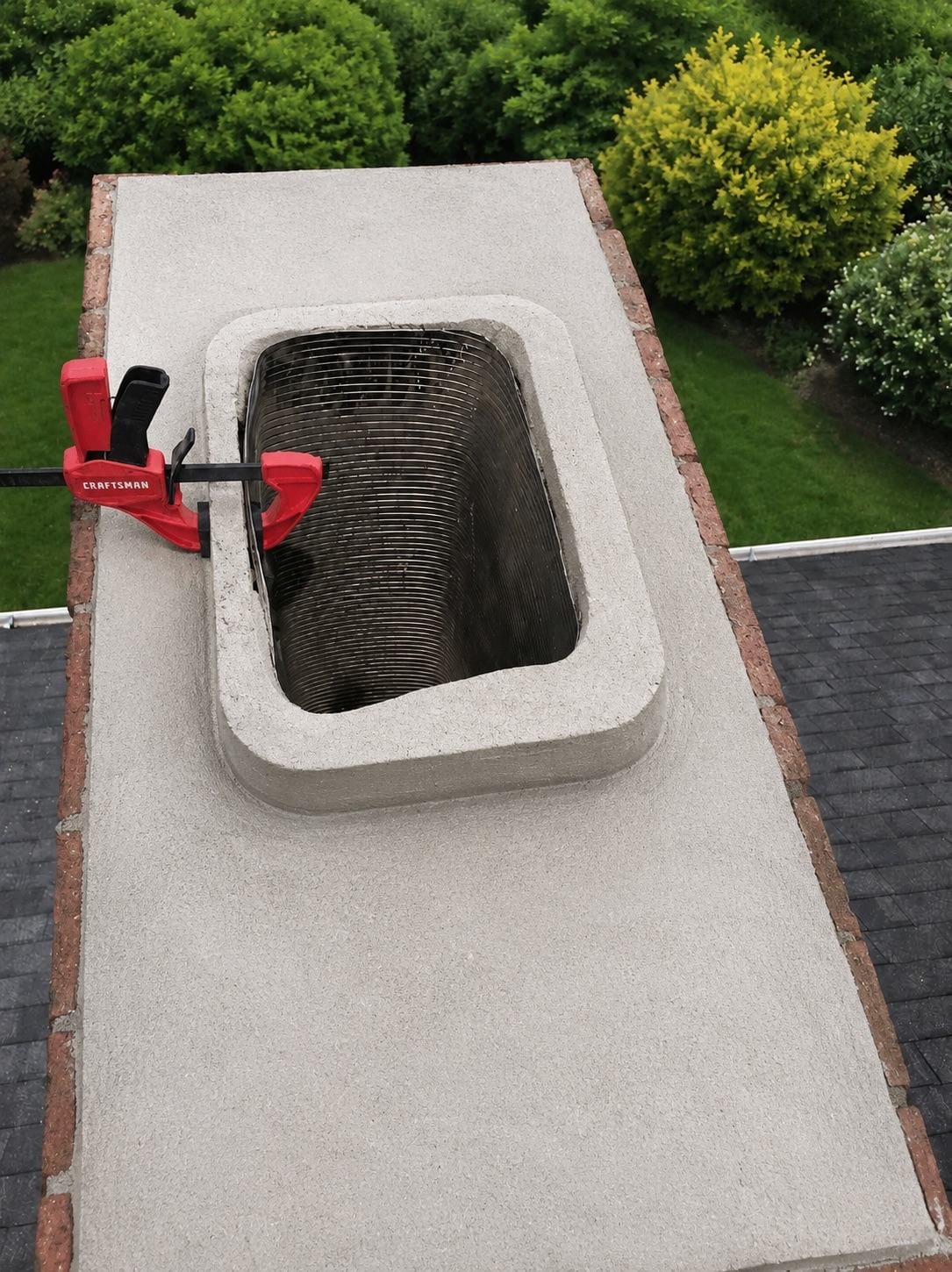
The main liner hazards are house fires, carbon monoxide leaks and hidden structural decay. You avoid them by having the liner inspected regularly, fixing cracks and gaps before the next heating season, keeping water out of the chimney, burning dry fuel, and making sure the liner matches the appliance whenever you add or change a fireplace insert, stove or gas unit.
Why liner problems are dangerous
Heat transfer to combustible framing
Cracked clay tiles, missing mortar joints or gaps between liner sections let heat and sparks pass into the masonry and, in some chimneys, to the wood framing around them. Wood exposed to repeated heat can dry out and ignite at lower temperatures than fresh lumber, so a fire can start inside a wall without any visible flame in the room.
Carbon monoxide and exhaust leaks
Gaps in a liner can let smoke and carbon monoxide escape into the chimney structure and from there into attics, closets or living areas. This risk applies to gas appliances as well as wood fires, since carbon monoxide is colorless and odorless.
Creosote buildup in a damaged or oversized flue
Rough, broken or oversized liners cool the smoke as it rises, and cooler smoke condenses into creosote more readily. Creosote collects in cracks and ledges that a sweep's brush may not fully reach, which raises the chance of a chimney fire.
Corrosion and moisture damage
Combustion produces moisture and acidic byproducts. Gas appliances in particular can create a lot of water vapor, and if the flue is unlined, the wrong material or the wrong size, that condensate can eat into mortar and tile over time. Rain getting in from above speeds the decay, which is why problems like a cracked chimney crown often show up alongside liner damage.
Poor draft from a mismatched liner
A liner that is too large for an insert or stove drafts weakly, and one that is too small can choke the appliance. Either way you can get smoke spilling into the room, sluggish fires and faster creosote buildup.
| Hazard | Signs a homeowner may notice | How to avoid it |
|---|---|---|
| Cracked or broken clay tiles | Tile fragments or flakes in the firebox, smoke where it shouldn't be | Regular inspections, including a camera look inside the flue |
| Gaps or eroded mortar joints | Smoky smell in rooms or attic, stained interior walls | Prompt repair or relining once gaps are found |
| No liner at all | Often invisible from the room; found during inspection | Have the flue checked before using a fireplace you didn't install |
| Wrong size for the appliance | Smoke spillage, weak fires, heavy creosote | Size the liner to the insert, stove or gas unit it serves |
| Heavy creosote in damaged sections | Black, flaky or glazed deposits; strong odor in warm weather | Burn dry wood and schedule sweeping based on use |
Your options when a liner is damaged
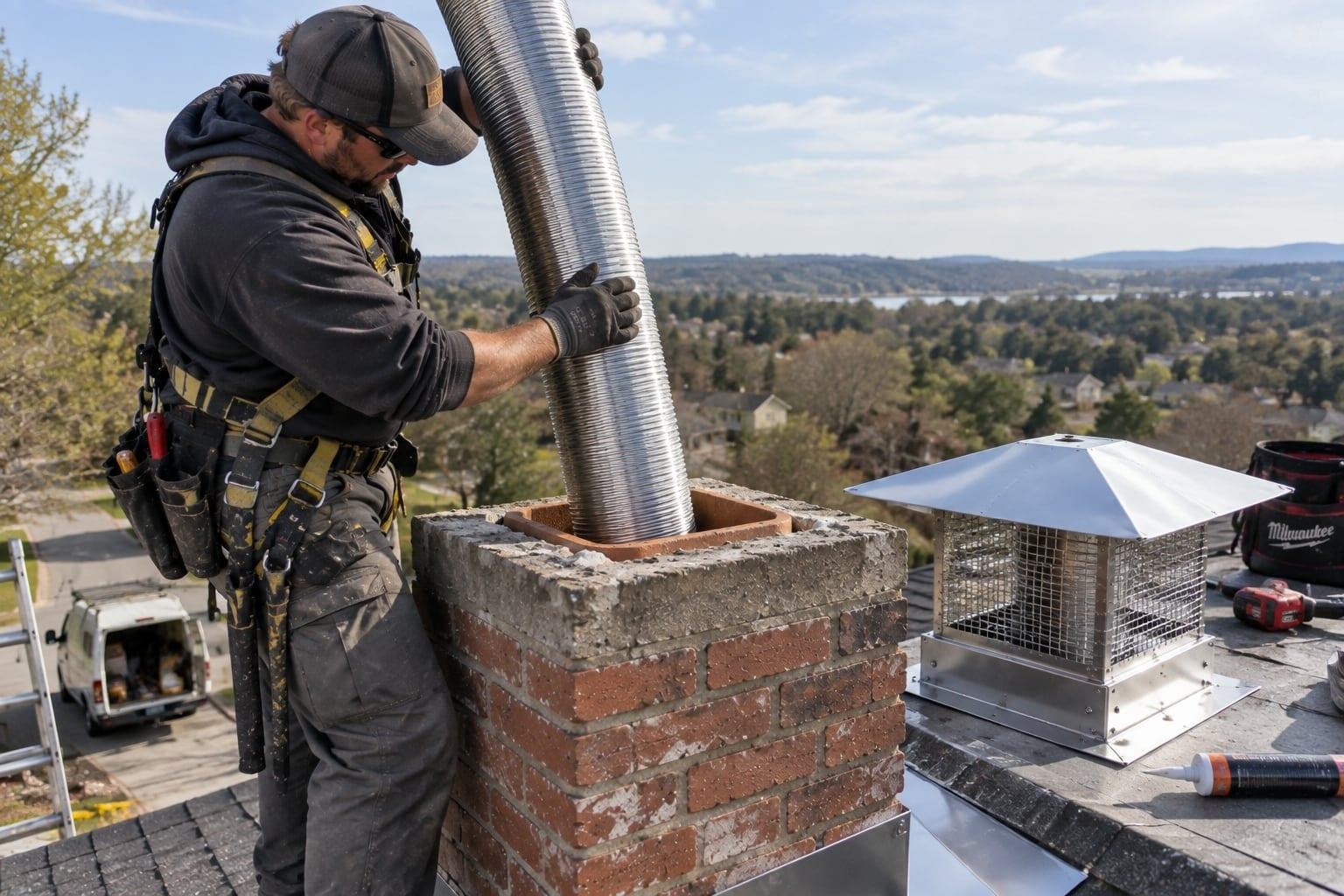
The right fix depends on how much of the liner is affected and what the chimney serves. Small, isolated defects can sometimes be addressed with targeted chimney liner repair, while widespread cracking, a missing liner or a new appliance usually calls for a full new liner installed to fit the appliance.
| Feature | Liner repair | New liner installation |
|---|---|---|
| Best suited to | Limited, localized damage in an otherwise sound liner | Extensive cracking, missing liner, or a change of appliance |
| What it addresses | Specific gaps, joints or damaged sections | The whole flue path from appliance to top of chimney |
| Sizing | Keeps the existing flue size | Can be sized to the insert, stove or gas unit |
| When it's not enough | When damage keeps recurring or spans much of the flue | Rarely, unless the masonry around it also needs work |
Best suited to
- Liner repair
- Limited, localized damage in an otherwise sound liner
- New liner installation
- Extensive cracking, missing liner, or a change of appliance
What it addresses
- Liner repair
- Specific gaps, joints or damaged sections
- New liner installation
- The whole flue path from appliance to top of chimney
Sizing
- Liner repair
- Keeps the existing flue size
- New liner installation
- Can be sized to the insert, stove or gas unit
When it's not enough
- Liner repair
- When damage keeps recurring or spans much of the flue
- New liner installation
- Rarely, unless the masonry around it also needs work
Liner work often goes hand in hand with the rest of the chimney. If the crown, flashing or masonry is letting water in, that needs attention too, or the new or repaired liner will face the same moisture that damaged the old one. General chimney repair for masonry and structure and fixing a chimney that leaks are common companions to a liner job.
Habits that keep a liner safe
Prevention checklist
- Have the chimney and liner inspected at least once a year, and before using a fireplace in a home you just bought.
- Ask for a camera inspection when cracks or gaps are suspected, since most of a liner can't be seen from the firebox or roof.
- Burn only dry, seasoned firewood; wet wood produces more creosote and moisture.
- Never burn trash, cardboard, treated lumber or holiday wrapping paper in a fireplace.
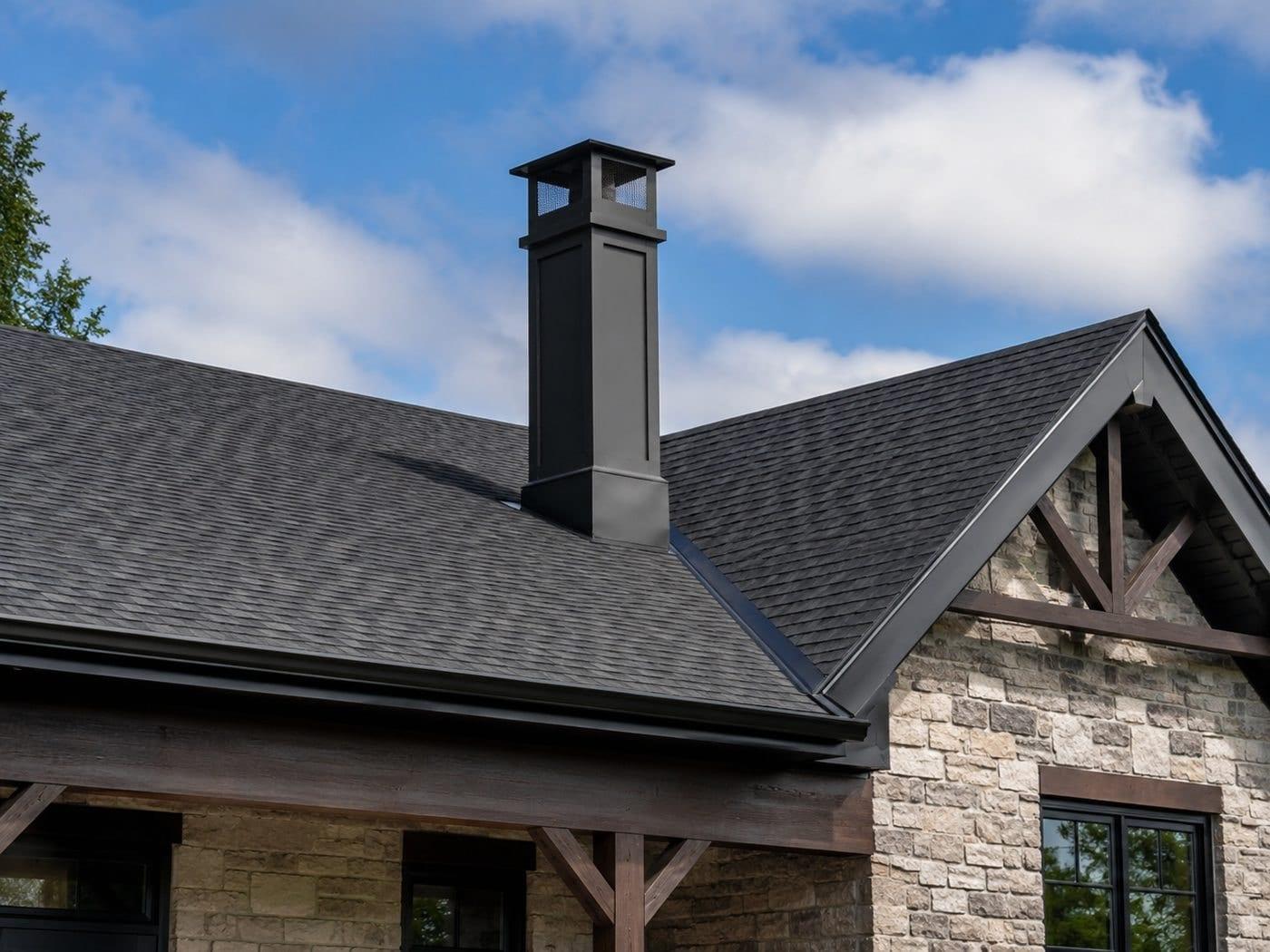
- Keep a cap on the chimney to block rain, debris and animals.
- Fix crown cracks, loose flashing and leaks as soon as you find them.
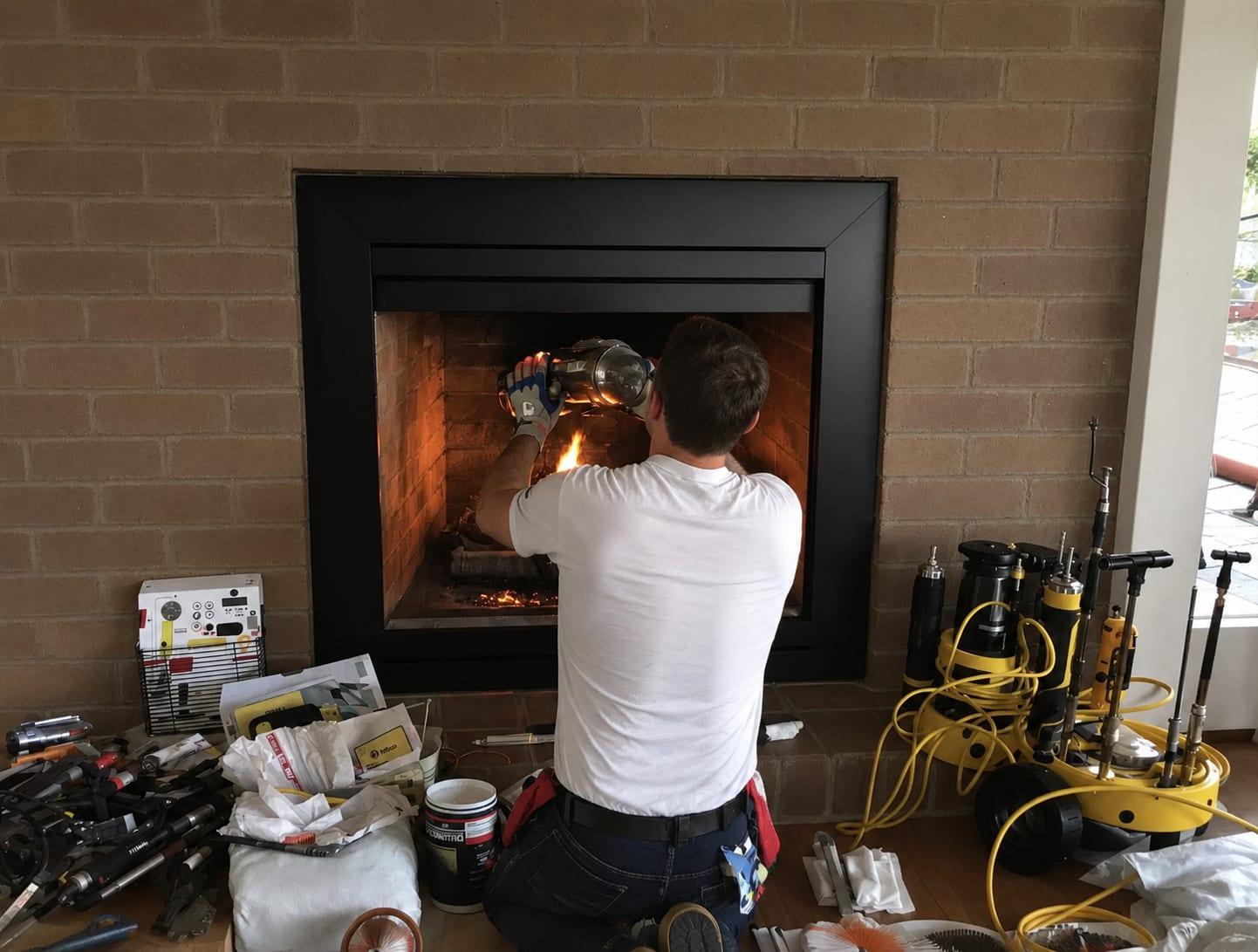
- Have the liner checked and sized whenever you add an insert, wood stove or gas appliance.
- Install carbon monoxide detectors near sleeping areas and on each level of the home.
- Stop using the fireplace if you smell smoke in other rooms or find tile fragments in the firebox, and have it inspected.
After a chimney fire, stop and inspect
A chimney fire can crack clay tiles and warp metal liners even if it burned out quickly. Signs include a loud roaring sound, dense smoke, flakes of puffy creosote on the roof or ground, and discolored or distorted cap or damper parts. If you hear roaring or see flames or sparks from the top of the chimney, get everyone out and call 911. Don't light another fire until the liner has been inspected.
What helps you decide
- Age and history matter: a chimney that has had a fire, a long-standing leak or years without inspection is more likely to need relining than a spot repair.
- Your plans matter: if you're switching to an insert or gas unit, it usually makes sense to line for that appliance now rather than repair a flue sized for an open fireplace.
- What the camera shows: isolated damage points toward repair; cracks along many sections point toward a new liner.
- The rest of the chimney: water getting in from the top will keep damaging any liner, so plan crown, cap and flashing fixes at the same time. For cap choices, read a buyer's guide to chimney caps.
If you'd like the liner checked, we handle chimney and camera inspections, liner repair and installation, and the related chimney repairs; get in touch to request an estimate.