On this page
What fireplace installation involves
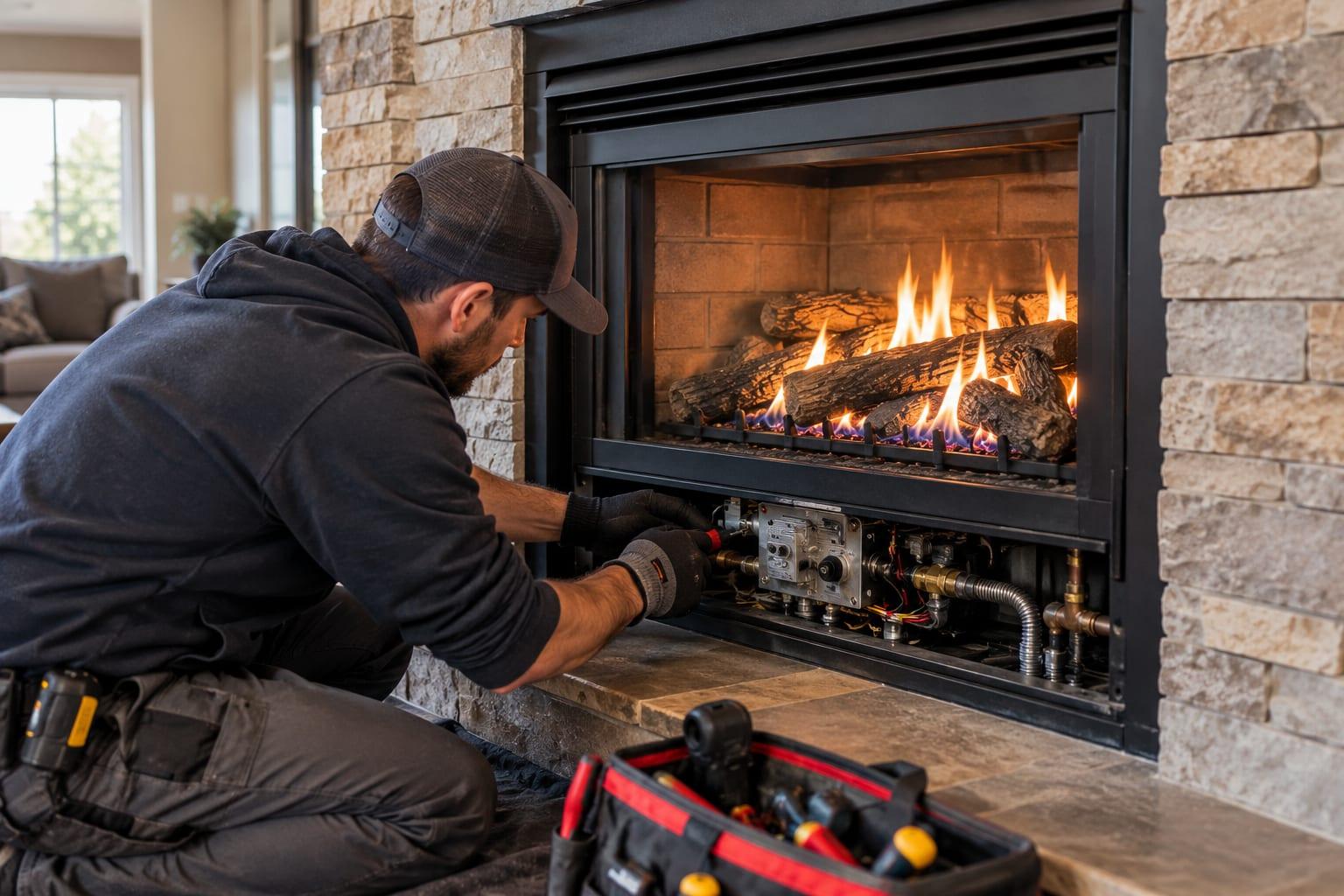
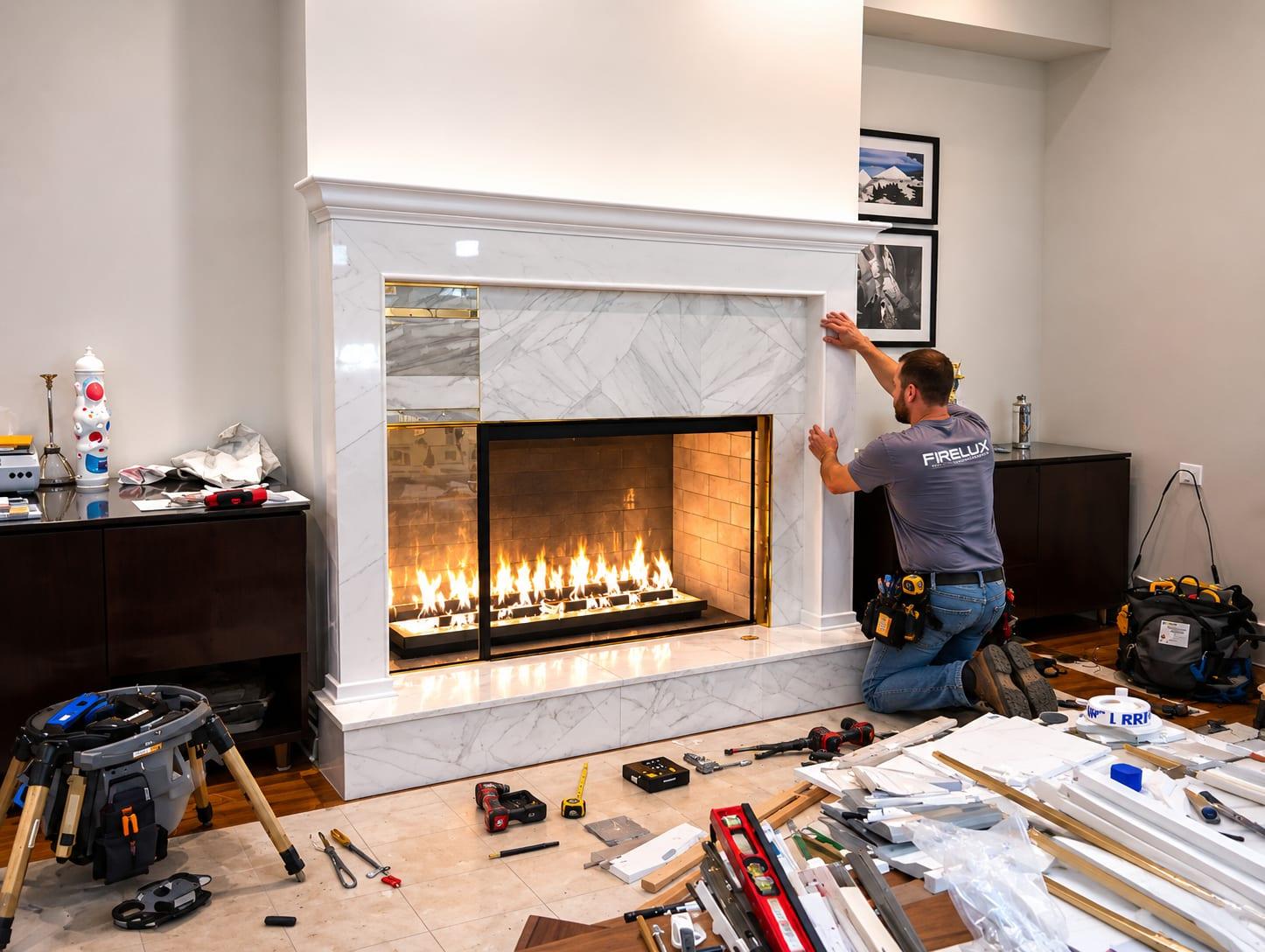
Fireplace installation means fitting a new fireplace where there wasn't one, or setting a new unit in place of one that's being taken out. The job covers more than the firebox. The fireplace needs a safe way to vent (or a design that doesn't need venting), proper clearance from walls and trim, a hearth or base that suits it, and a fuel supply if it runs on gas.
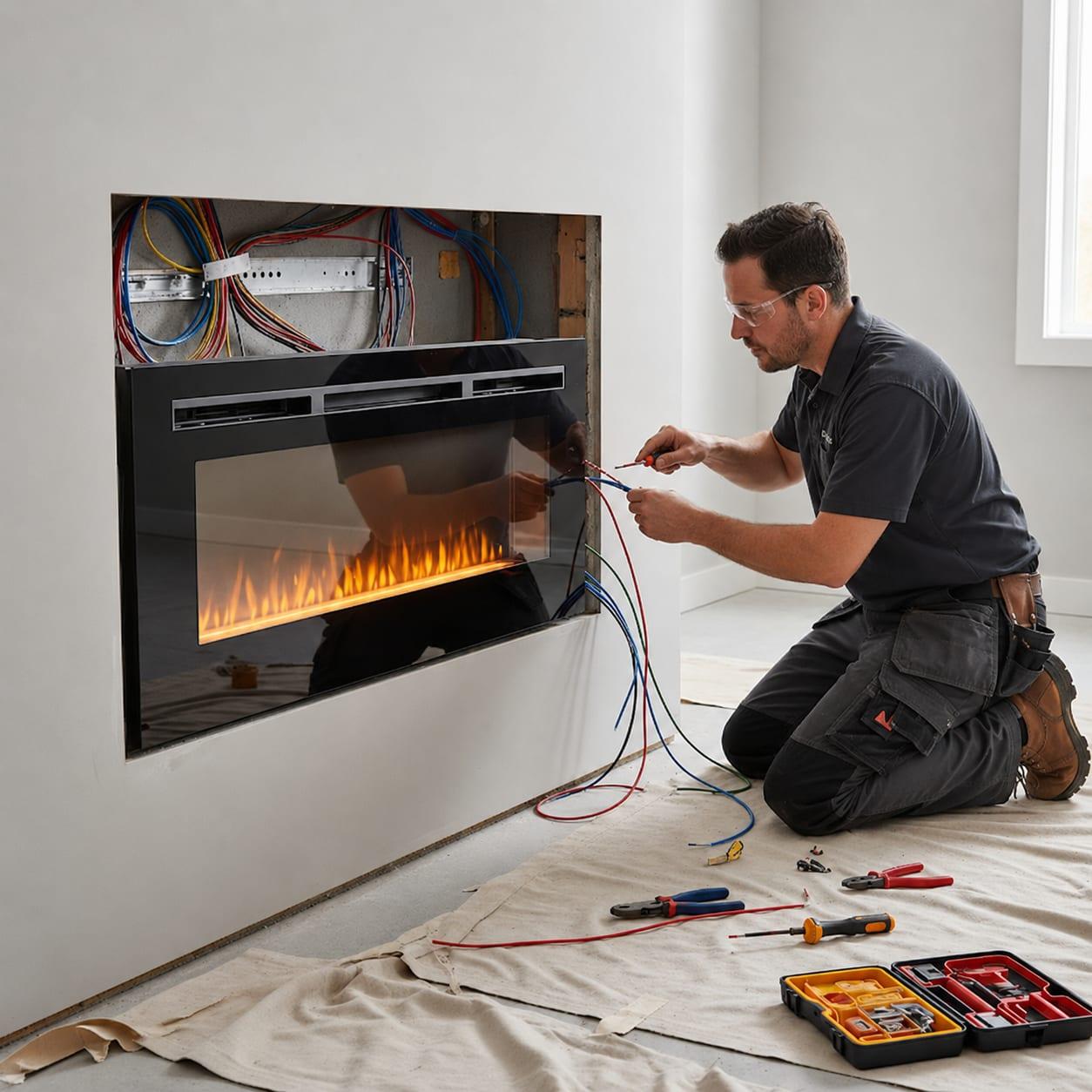
Fuel choice shapes most of the work. If you're still deciding, our guide to electric vs gas fireplace lays out the trade-offs. If a freestanding stove is also an option, read fireplace insert vs freestanding wood stove before you settle on a fireplace.
| Fuel | Needs a chimney or flue? | What the install mainly involves |
|---|---|---|
| Wood-burning or open flame | Yes | Firebox, flue or chimney, hearth extension, clearances to combustibles |
| Gas | Depends on the unit | Gas supply connection, venting that matches the appliance |
| Electric | No | Power supply, wall mounting or framing |
| Ethanol | No | Secure mounting or placement, clearances above the flame, room airflow |
Signs a home is ready for a new fireplace
- The room has no fireplace and you want a real heat source or focal point in a living room, den or bedroom.
- An old fireplace is worn out past the point where fixing it makes sense, and you'd rather start fresh.
- A remodel is moving walls or changing the layout, and the fireplace needs to go somewhere new.
- You want a fireplace with no chimney at all. Ethanol units and electric fireplace installation both avoid a flue.
- The plan includes a patio or backyard seating area, where outdoor fireplace installation is the better fit.
- The fireplace is mainly a design feature. Decorative fireplace installation focuses on looks first.
Some situations call for a different job. If your existing fireplace is sound and only has a cracked panel, a sticking damper or a smoky draft, it needs repair, not a new installation. If you want to keep the current opening and only change the fuel, that's a conversion.
What the installation visit involves, step by step
From first look to first fire
Look at the room and the structure
We check where the fireplace will sit, what's behind the wall, what's above the ceiling and below the floor, and whether there's an existing chimney we could use.
Choose the unit and the venting route
Fuel, size and venting have to match. If you want a wood-burning fireplace and the house has no chimney, chimney installation becomes part of the project.
Prepare the space
This covers framing, the hearth or base, clearances to combustible materials, and running the gas or electrical supply the unit needs.
Set and connect the fireplace
We mount or set the unit, then connect the flue or vent, the gas line or the power, following the maker's installation instructions.
Test it and walk you through it
We light or run the fireplace, check the draft or burner, and show you how to operate it and what upkeep it will need.
Specialty fireplaces we install and repair
Four designs come up often enough to need their own notes. We install all four, and we also repair ethanol, floating and open flame fireplaces.
Ethanol fireplace repair and installation
An ethanol fireplace burns liquid bioethanol in a burner box. It has no chimney or vent, so it can go in rooms where a flue isn't practical. Installation is about secure mounting and clearance above the flame, plus making sure the room has enough fresh air. On the repair side, we deal with burners that light unevenly, leaking fuel reservoirs, damaged snuffers or closing lids, and cracked glass screens.
Refilling an ethanol burner
Refill only after the flame is out and the burner has cooled. Use the fuel the manufacturer specifies, and store it away from the fireplace.
Floating fireplace installation and repair
A floating fireplace is mounted on or recessed into the wall with no visible hearth beneath it, so it looks like it's hovering above the floor. Most are electric, gas or ethanol. The work depends on what's inside the wall. The framing has to carry the weight, and the vent, gas line or wiring has to run neatly through it. Many floating units are electric, and how electric fireplace installation works covers that wiring in more detail. Repairs include units that have pulled away from the wall, failed heating elements or burners, and damaged trim or glass.
Hanging and suspended fireplace installation
A hanging fireplace hangs from the ceiling, usually with its flue pipe running up through the ceiling and roof. That means the ceiling structure carries the load. These units suit open rooms with high ceilings, and some models rotate. Before installing one, we check the joists or rafters overhead, plan the flue route through the attic and roof, and confirm clearances around the firebowl. Wood-burning models also need floor protection beneath them.
Open flame fireplace repair and installation
An open flame fireplace is the traditional kind: an exposed fire with no glass in front, usually burning wood. It works well only with a correctly sized flue, a smoke chamber that draws properly and a hearth extension in front of the opening. For masonry builds, brick fireplace repair and installation covers the brickwork in more depth. On existing open fireplaces, we repair poor draft, cracked fireboxes and worn dampers.
Keeping a new fireplace safe to use
- A wood-burning fireplace needs its chimney swept regularly, because creosote builds up with use.
- Gas fireplaces should be serviced periodically so the burner, pilot and venting keep working as designed.
- Any fuel-burning fireplace should have working smoke and carbon monoxide alarms nearby.
- Keep rugs, furniture and decorations outside the clearances the manufacturer lists.
Where we install fireplaces
We install fireplaces across the Atlanta Metropolitan Area, including fireplace installation for homes in Sandy Springs. Commercial and property-manager work is offered too, so the same service covers rental units and business spaces.
Booking your fireplace installation
Call or request an estimate. It helps to tell us which room you have in mind, the fuel you're leaning toward and whether the house already has a chimney. Our 24-hour service runs Sunday–Friday, and emergency calls are accepted.
Related work covered on this page
- Hanging & Suspended Fireplace Installation