On this page
What prefab chimney & chase repair covers
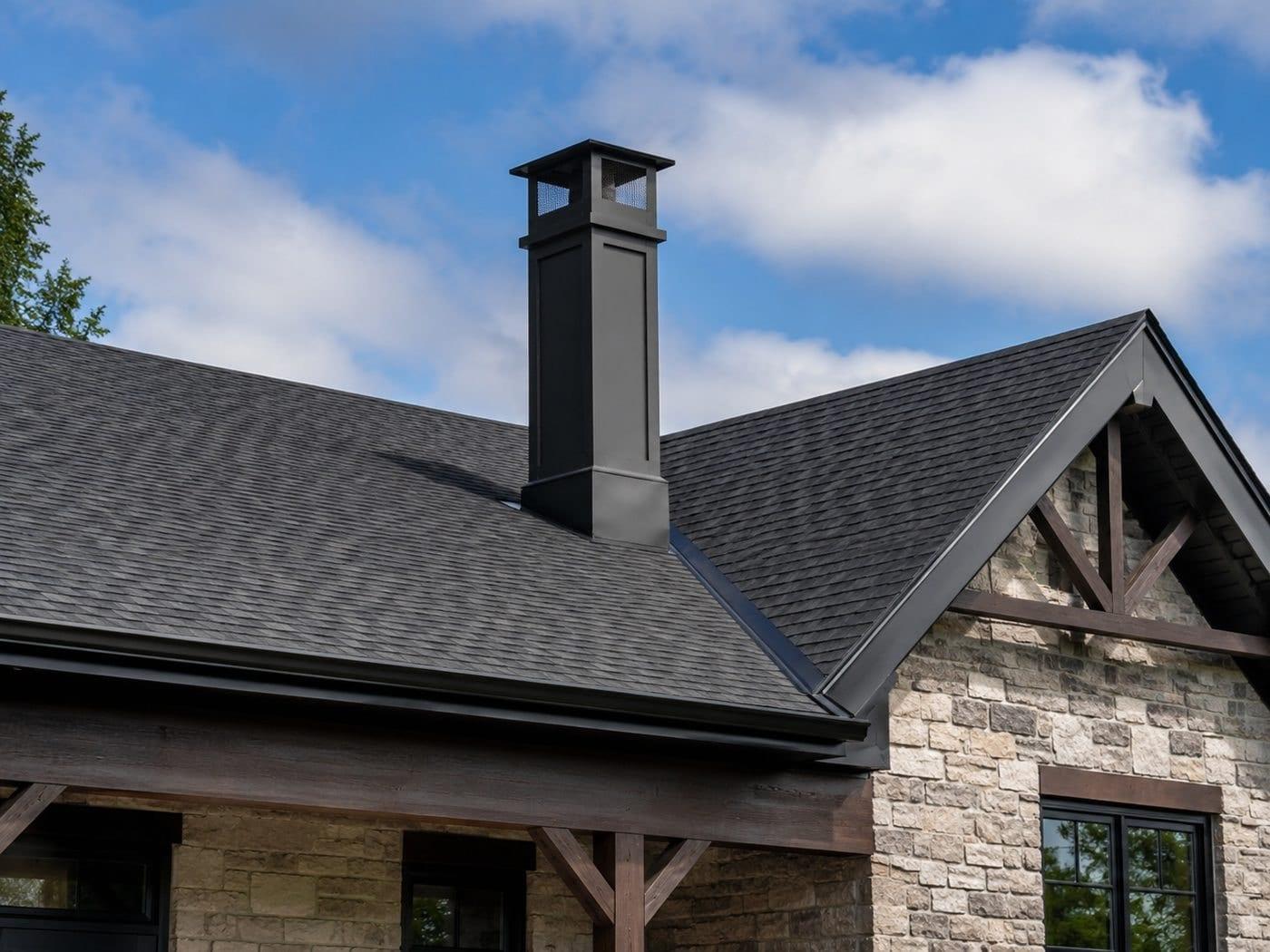
A prefab (factory-built) chimney is a metal flue pipe made to go with a specific factory-built fireplace. On the outside of the house, that pipe usually runs up through a chase: a wood-framed box finished with the same siding as the house and capped with a metal chase cover. The fireplace, the flue and the chase work as one system, so a problem in one part often shows up somewhere else.
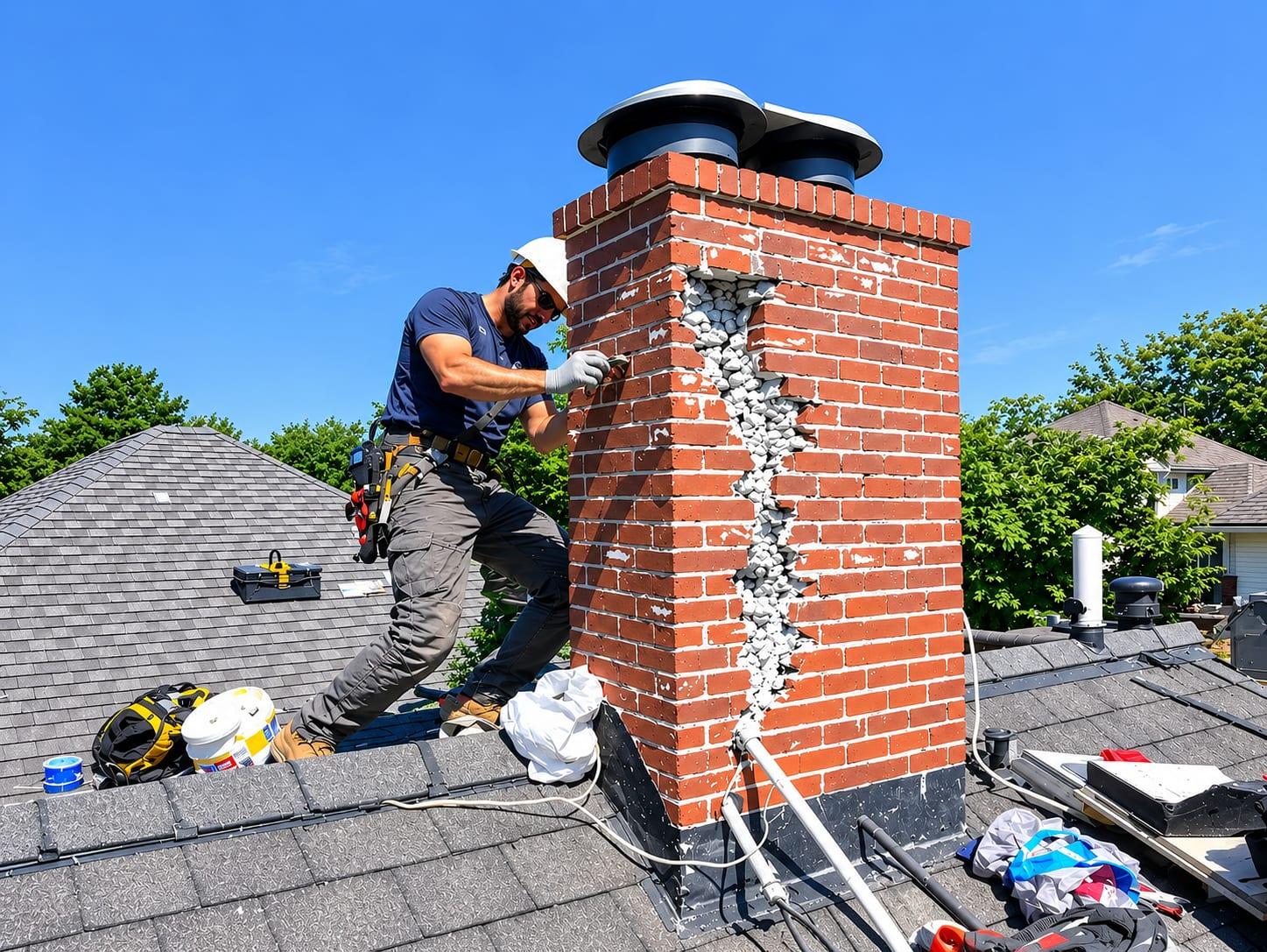
Chase repair deals with the enclosure and everything that keeps water and heat where they belong. Depending on what we find, that can mean:
- Repairing or replacing a rusted, sagging or leaking chase cover, through our chimney chase cover repair work or a full chase cover replacement when the old one is past saving
- Replacing water-damaged siding, trim and sheathing on the chase
- Repairing rotted framing inside the chase
- Resealing the gaps where the flue, cover and siding meet
- Replacing a damaged chimney cap or termination at the top of the flue
- Checking and repairing metal flue sections, firestops and spacers that keep the flue clear of the wood framing
If your chimney is brick or stone, the work is different; masonry problems fall under our general chimney repair service.
Signs your chase needs attention
Most chase damage is water damage, and it tends to build slowly. These are the signs that usually lead homeowners to call:
Common warning signs
- Rust-colored streaks running down the siding below the chase cover
- A chase cover that dips in the middle and holds standing water
- Water, rust flakes or rusty stains inside the firebox or on the fireplace doors
- Siding on the chase that is swollen, soft, cracked or peeling
- A musty or damp smell from the fireplace, especially after rain
- Water stains on the ceiling or wall near the fireplace
- Birds, squirrels or other animals getting into the chase
- A cap that is loose, bent or missing after a storm
Where the problem usually is
01Leaking or rusted chase cover
- What you may notice
- Rust streaks on the siding, water in the firebox, a cover that holds puddles
- How it’s confirmed
- Looking at the cover from the roof for rust-through, low spots, failed seams and loose fasteners
02Damaged chase siding and framing
- What you may notice
- Soft or swollen siding, peeling paint, damp smell, interior wall stains
- How it’s confirmed
- Probing the siding and trim, and checking the framing from inside the chase where it can be reached
03Worn-out cover that needs replacing
- What you may notice
- Rust holes, a cover bent from storms, repeated leaks after earlier patches
- How it’s confirmed
- Judging whether the metal can be repaired or whether a new cover with a proper slope and drip edge is the better fix
What a repair visit involves
From first look to finished repair
Talk through what you've noticed
Tell us where you've seen water, rust or damage and when it shows up. A leak that appears only in driving rain points somewhere different than one that appears every time it rains.
Inspect the top of the chase
We check the chase cover, the cap, the storm collar and the seals where the flue comes through, since that is where most leaks begin.
Inspect the chase and fireplace
We look at the siding and trim, check inside the chase where possible, and look at the fireplace and flue from below. A camera inspection can show the inside of the flue when that's needed.
Explain what we found
You get a plain explanation of what is damaged, what is causing it and what we recommend fixing, so you can decide before any repair starts.
Make the repair
We fix the source of the problem first, usually the cover, cap or seals, and then repair the damaged siding, framing or flue parts so the problem doesn't come back behind new materials.
Metal, wood and the parts that keep them apart
Prefab chimneys are built around clearances. The metal flue, firestops and spacers are designed to keep hot pipe away from the wood framing of the chase. When water rusts those parts, or when framing shifts or rots, those clearances can be lost. That is why we look at the flue and its supports during a chase repair, not just the siding.
The cap matters too. A properly fitted cap keeps rain out of the flue and keeps animals from nesting inside; a buyer's guide to chimney caps explains the main styles. For more on why a damaged flue is a safety problem, read what can go wrong with chimney liners.
When to stop using the fireplace
If you see rust holes in the flue, water pooling in the firebox, scorched or blackened wood near the fireplace, or smoke where it shouldn't be, stop using the fireplace until it has been checked. Damage to a factory-built system can affect the clearances that keep the framing safe.
If the fireplace unit itself is badly corroded or worn out, repair may not be the right answer. We also handle prefab fireplace replacement, and we can talk through that option if the inspection points that way. Gas fireplace and gas appliance work is offered as well, if your prefab unit burns gas.
Booking prefab chimney & chase repair in Atlanta
Call or request an estimate and tell us what you've noticed, such as rust stains, leaks, damaged siding or a storm-damaged cap.
Commercial and property-manager work is offered, so if you look after several homes or a building with factory-built chimneys, get in touch about those too.