On this page
What a level 2 chimney inspection covers
The Chimney Safety Institute of America (CSIA) describes three levels of chimney inspection. A Level 1 is the basic annual check of the parts you can readily see. A Level 2 chimney inspection includes everything in a Level 1 and adds a video scan of the flue's interior. It also covers the chimney where it passes through accessible attics, basements and crawl spaces. Nothing permanent is removed, and no walls or chimney structure are opened up.
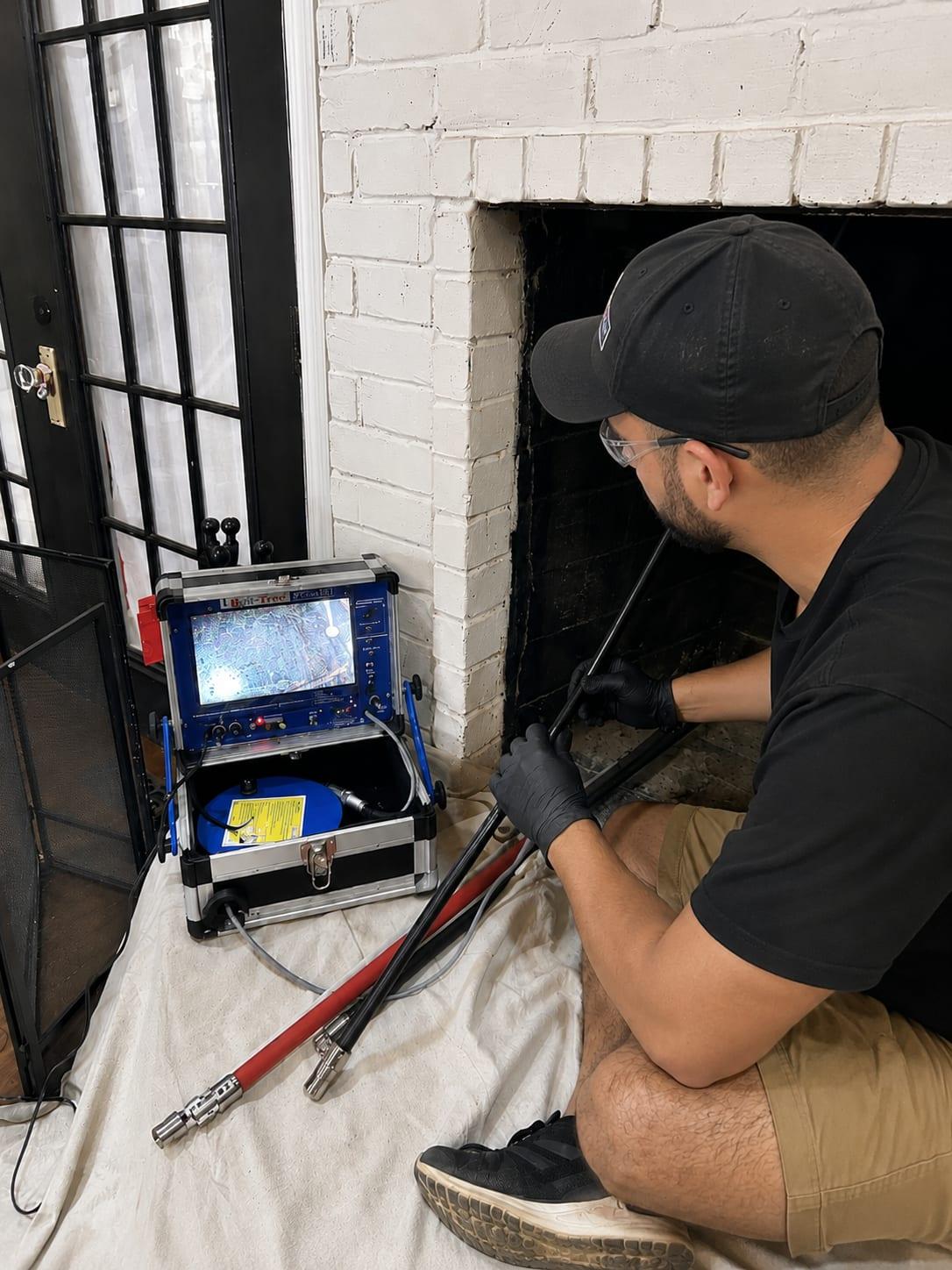
The camera is what sets this level apart. A flue liner can look fine from below and still have cracked tiles, open mortar joints, separated sections or heavy deposits partway up. If you're not sure which level fits your situation, our standard chimney inspection service is the usual starting point for routine yearly checks.
| Level | What it includes | Typical reason for it |
|---|---|---|
| Level 1 | Visual check of readily accessible parts of the chimney, flue and appliance connection | Routine annual check with no changes to the system |
| Level 2 | Everything in Level 1, plus a video scan of the flue and the accessible attic, basement and crawl-space areas | Property sale or transfer, after a chimney fire, after a weather or seismic event |
| Level 3 | Everything in Level 2, plus removal of parts of the structure to reach concealed areas | A serious hidden hazard is suspected and can't be checked any other way |
When the CSIA standard calls for a level 2
The CSIA standard of practice recommends a Level 2 inspection in specific situations. It is a recommendation in that standard, not a code or legal requirement. The three main triggers are:
- A property sale or transfer. Buyers and sellers get a documented look inside the flue before closing. Our real estate chimney inspection is built around that timeline.
- After a chimney fire. Even a brief fire can crack a clay liner or warp metal sections without any outside sign.
- After a weather or seismic event. High winds, lightning, falling limbs or ground movement can shift masonry and liners. If a storm is the reason you're calling, here's how storm damage chimney inspection works.
Other signs that point to a closer look
Reasons to ask for a camera inspection
- Smoke spilling into the room or a draft that has changed
- Pieces of flue tile, mortar or rust collecting in the firebox
- A sharp, loud sound from the chimney during a fire, followed by flaky, puffed-up creosote
- Water stains on ceilings or walls near the chimney
- A strong smoky or musty odor when the fireplace isn't in use
- A prior inspection that found something it couldn't fully see
Many of these overlap with the warning signs your chimney is telling you, which is useful background before you book.
What happens during the visit
A Level 2 inspection, step by step
Talk through the reason
We start with why you called, whether that's a sale, a chimney fire, storm damage or a change you've noticed. That tells us where to look hardest.
Check the fireplace or appliance
We look at the firebox, damper, smoke chamber and the connection to any stove, insert or gas appliance.
Run the camera up the flue
A video camera travels the length of the flue. It records the liner's condition, joints, deposits and any blockage.
Inspect accessible attic, basement and crawl-space areas
Where the chimney passes through these spaces, we check for heat damage, water entry and clearance problems.
Check the exterior and roofline
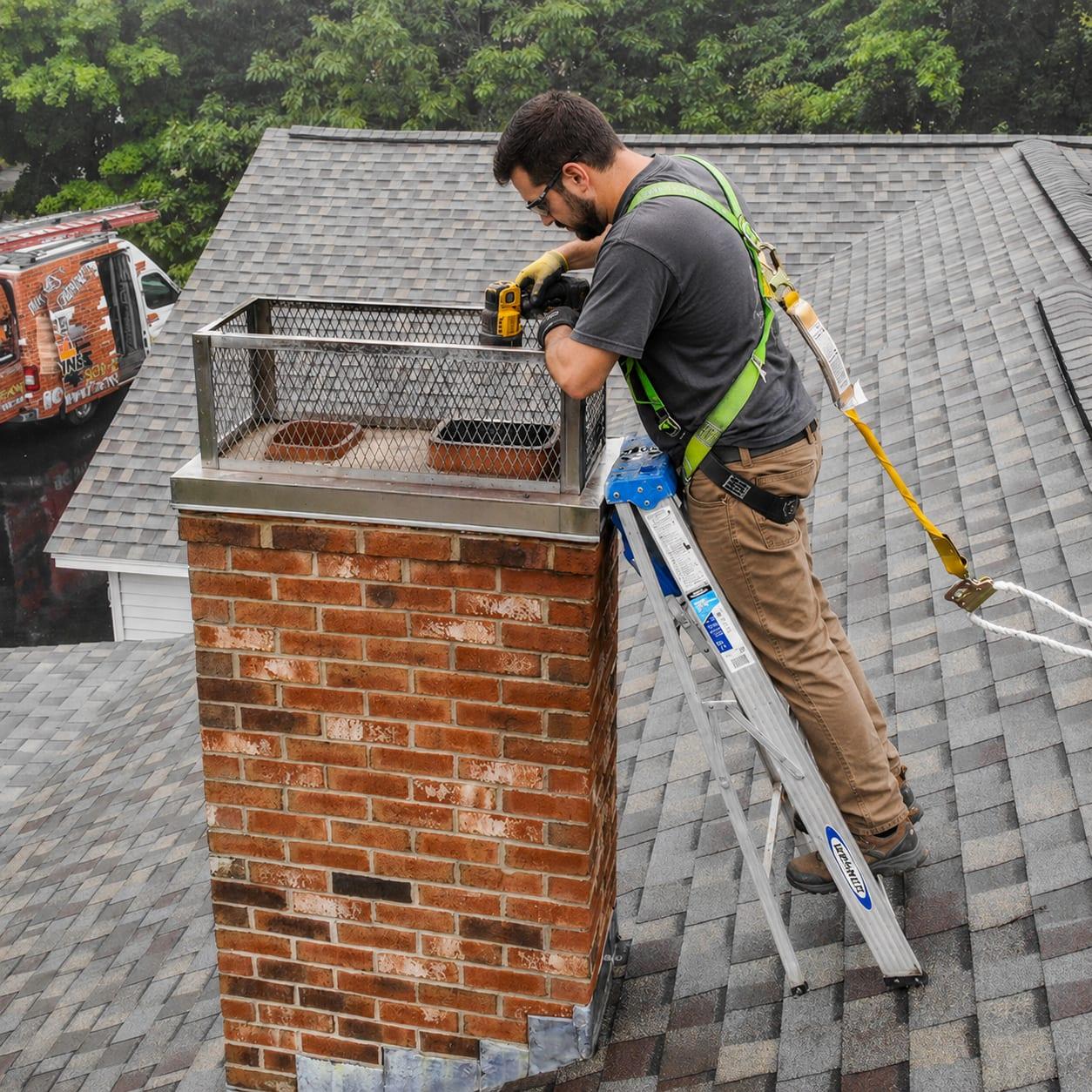
We look at the crown, cap, flashing and masonry or chase from outside.
Go over the findings
We show you what the camera found and explain what's safe to use and what needs attention.
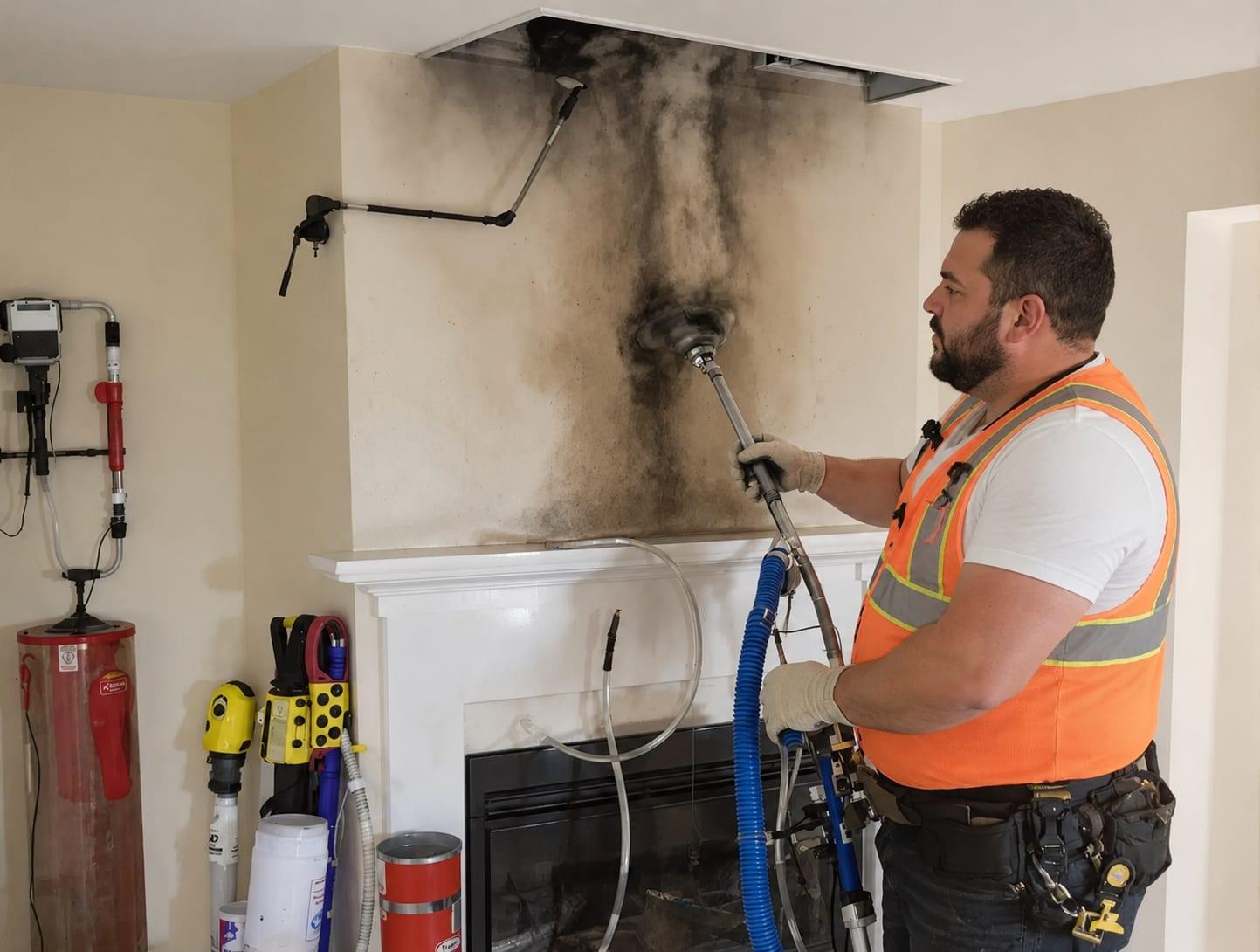
Heavy buildup can hide damage
Thick soot or creosote can cover cracks in the liner. If the flue is heavily coated, it may need cleaning before the camera can show the surface clearly.
Masonry, prefab and gas systems
A Level 2 inspection applies to masonry chimneys with clay or metal liners, factory-built (prefab) chimneys, wood stoves, inserts and gas appliances. We work on gas fireplaces and other gas appliances, and we service all major brands. If your concern is the fireplace itself rather than the flue, a fireplace inspection may be the better fit.
Safety and maintenance after a level 2
After a chimney fire or obvious storm damage, don't light the fireplace or run the connected appliance until the flue has been checked. A damaged liner can let heat and gases reach wood framing inside the walls.
If you suspect a chimney fire
Get everyone out and call 911 first. Once the fire service has cleared the home, leave the system unused until it has been inspected.
A Level 2 inspection is not a yearly routine. Once any problems are fixed, most homes go back to a standard annual check. If the camera finds something behind walls or masonry that it can't reach, the next step is a level 3 chimney inspection. Landlords and property managers can schedule rental property chimney inspection across several units.
Booking a level 2 inspection
Request a visit and tell us what prompted the call.