On this page
What a level 3 chimney inspection is
Chimney inspections come in three levels, and each one includes everything in the level before it. A Level 3 chimney inspection covers all of Levels 1 and 2, then goes further: it removes parts of the chimney or the building to reach areas that cannot be seen any other way. Those areas include the space behind an interior chimney wall, the inside of an enclosed chase, the structure under a crown, and the framing that sits close to the flue.
Something has to be taken apart to get that access, so a Level 3 inspection is never the first step. It is used when a serious hazard is suspected and an earlier inspection could not confirm it or rule it out. For most homes, a yearly chimney inspection service is the right place to start.
| Level | What it covers | Typical reason |
|---|---|---|
| Level 1 | Readily accessible parts of the chimney, fireplace and venting | Routine yearly check when nothing has changed |
| Level 2 | Everything in Level 1, plus accessible attics, crawl spaces and a video scan of the flue | Sale or transfer, chimney fire, weather or seismic event, changes to the system |
| Level 3 | Everything in Levels 1 and 2, plus concealed areas reached by removing portions of the chimney or building | A suspected serious hazard that the other levels cannot fully assess |
When a level 2 inspection applies
Under the CSIA standard of practice, a Level 2 inspection includes a video scan of the flue. It is recommended when a property is sold or transferred, after a chimney fire, and after a weather or seismic event. Read how chimney inspection level 2 works if one of those describes your situation. After wind, hail or a fallen limb, our storm damage Chimney inspection service covers what to check first.
In many cases a Level 2 inspection answers the question. A Level 3 inspection is needed when the camera or the attic view shows a problem whose full extent is hidden behind materials that have to come out before anyone can judge it.
Signs a home may need a level 3 chimney inspection
- A Level 2 inspection found damage it could not fully assess, such as a cracked or shifted flue liner where the surrounding structure is out of view.
- A chimney fire, especially one where heat may have reached framing or materials around the chimney.
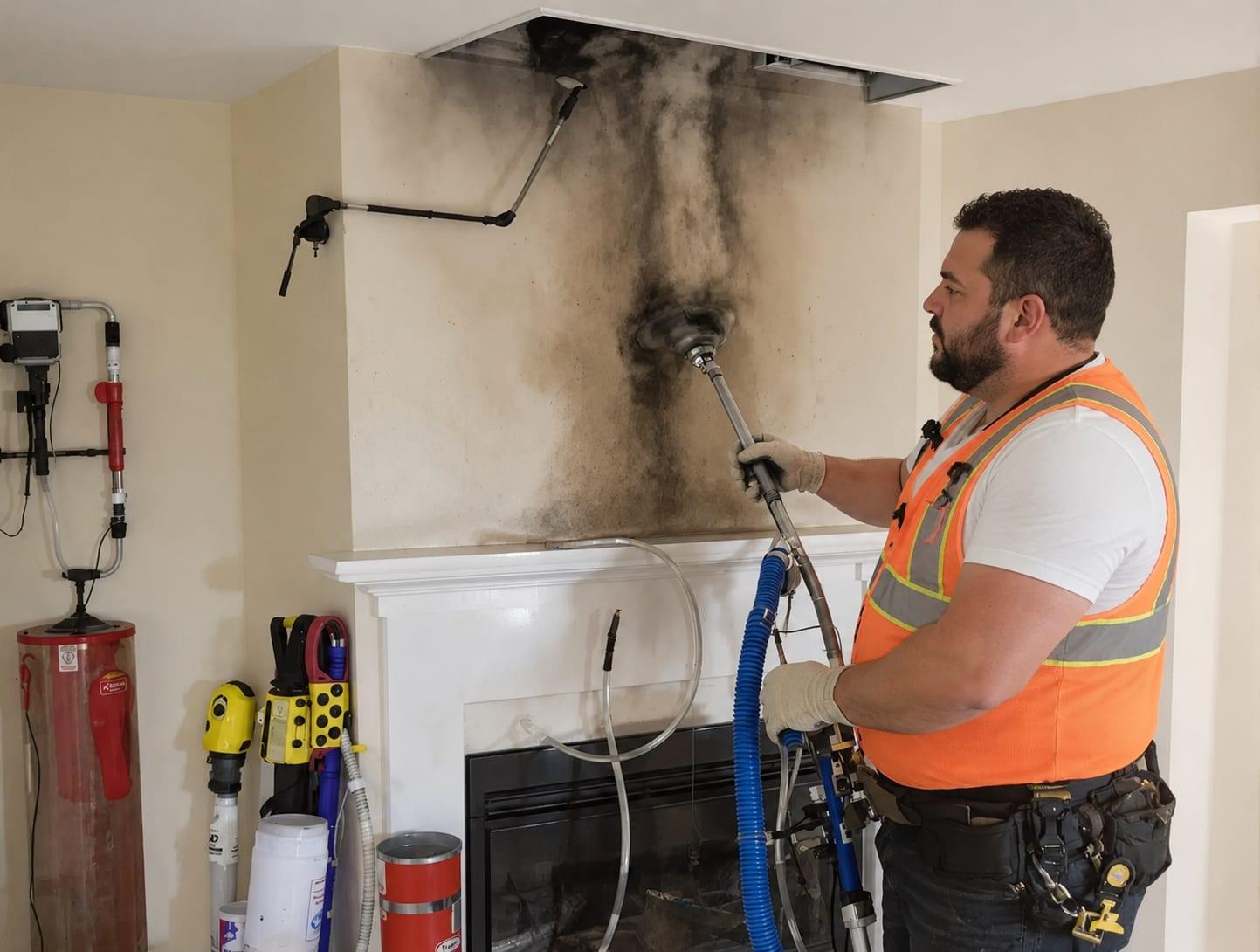
- Scorching, heat discoloration or unexplained stains on walls or ceilings next to the chimney.
- Smoke showing up in rooms, closets or wall cavities away from the fireplace.
- Structural movement: a chimney that leans, pulls away from the house or shows large cracks.
- Water damage that has spread inside an enclosed chase or a wall around the chimney.
Earlier, smaller symptoms often come before these. Our guide to the warning signs your chimney is telling you explains what each one tends to mean.
What the visit involves, step by step
How a Level 3 inspection is carried out
Review what is already known
We start with earlier inspection findings, any camera footage, and what happened: a chimney fire, a storm, a leak or visible movement. If no Level 2 inspection has been done, that usually comes first.
Agree on what will be opened
Before anything is removed, we explain which section needs to come out and why, so you know the scope ahead of time.
Open only what is needed
Access is limited to the area where the suspected problem sits, whether that is part of an interior wall, a chase panel or a section of the crown.
Inspect the concealed areas
With access open, we check the liner, the masonry, the clearances to framing and any heat or water damage that was hidden before.
Explain the findings
We walk you through what was found, where it is and whether the system is safe to use, with photos where they help.
Plan the next step
If repairs are needed, we go over the options. We handle chimney repair, liner repair and installation, masonry repair, crown repair and full rebuilds, and that plan includes closing up the opened areas.
What gets examined behind the walls and masonry
- The flue liner along its full length, including joints and sections a camera can only partly show.
- The smoke chamber and damper area. The damper style matters here, and our guide to types of chimney dampers explains the common ones.
- The gap between the chimney and nearby wood framing, which can char after a chimney fire.
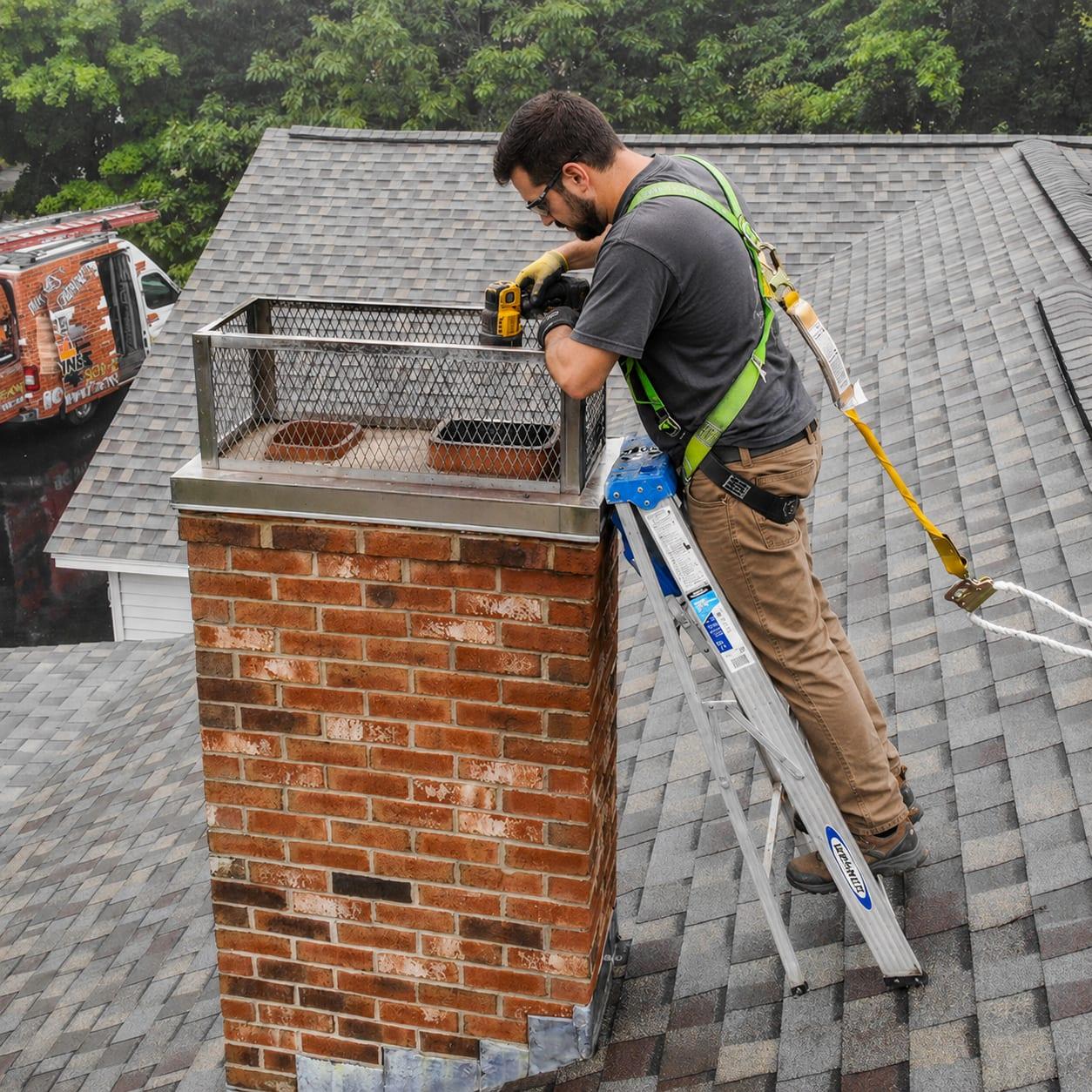
- The crown and the structure under it.
- Framing and panels inside a prefab chimney chase.
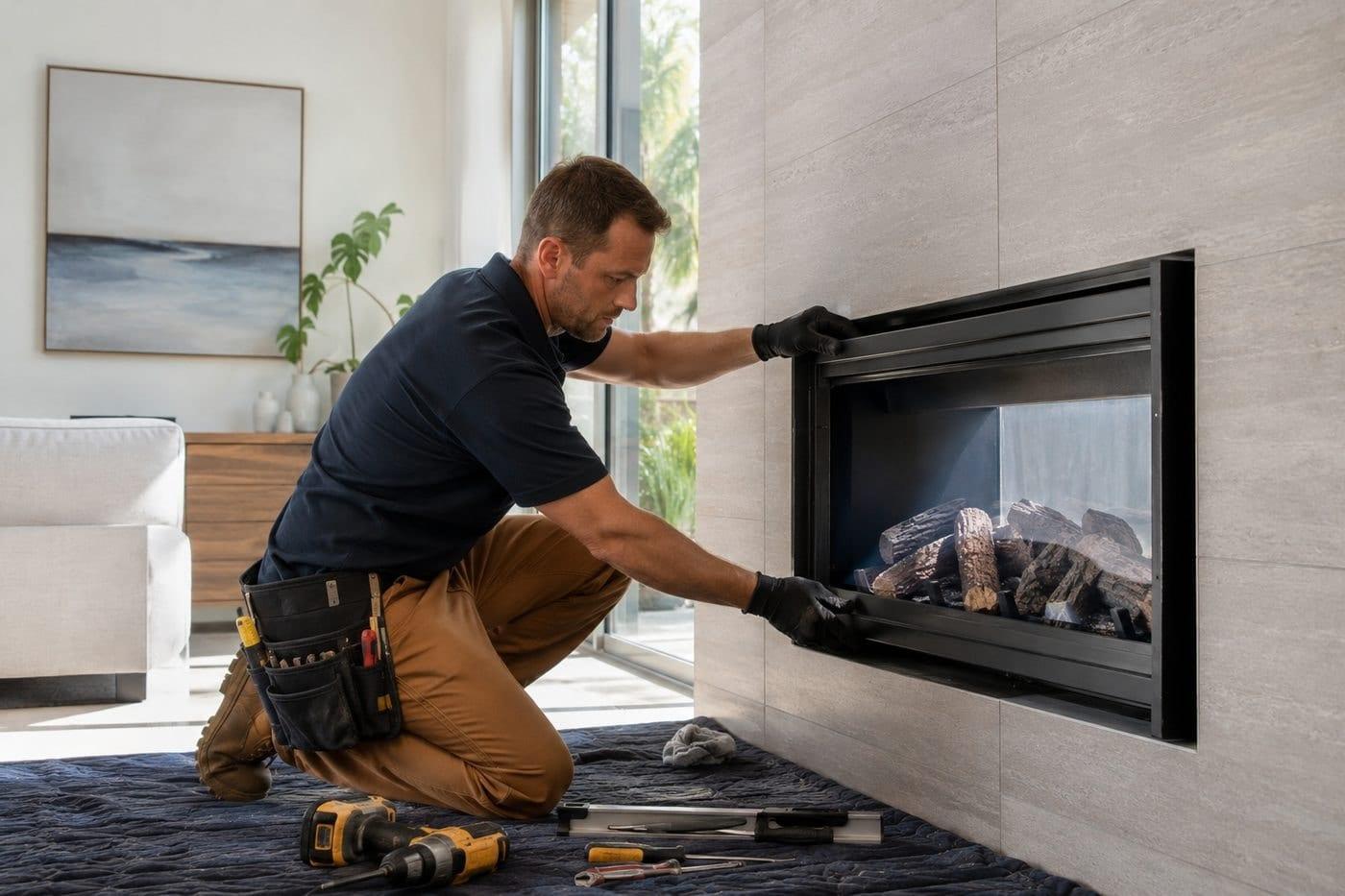
- Venting and connections for gas fireplaces and gas appliances. Gas fireplace and gas appliance work is offered, and we work on all major brands.
Safety and maintenance while you wait
Stop using the fireplace if a chimney fire is suspected
A loud roaring or popping sound, dense smoke, or flakes of creosote on the roof or ground are common signs of a chimney fire. If you hear roaring or see flames or sparks from the top of the chimney, get everyone out and call 911. If any of these happen, do not light another fire until the chimney has been inspected. Hidden heat damage can let the next fire reach the house framing.
If you smell gas near a gas fireplace or appliance, leave the house and call your gas utility from outside before doing anything else.
Regular maintenance keeps most chimneys from ever needing a Level 3 inspection. Sweeping controls creosote buildup, as our chimney soot removal guide explains. A yearly inspection catches cracks and leaks while they are still small. If the firebox, doors or gas components are your main concern, a fireplace inspection looks at those directly.
Booking a level 3 chimney inspection
To book an inspection in Atlanta, call or request an estimate. Tell us what happened and share any earlier inspection results, so the visit starts from what is already known. Emergency calls are accepted, and 24-hour service runs Sunday through Friday.