On this page
What a rental property chimney inspection covers
A rental property chimney inspection is a safety and condition check of the chimney, flue and the fireplace or stove it serves, done with a landlord's needs in mind. You get an honest account of whether the system is ready for a tenant to use, what has changed since the last occupant, and what needs attention now versus later. It follows the same core checks as our standard chimney inspection service, with extra attention to the wear and misuse that tend to show up in rented homes.
What we look at
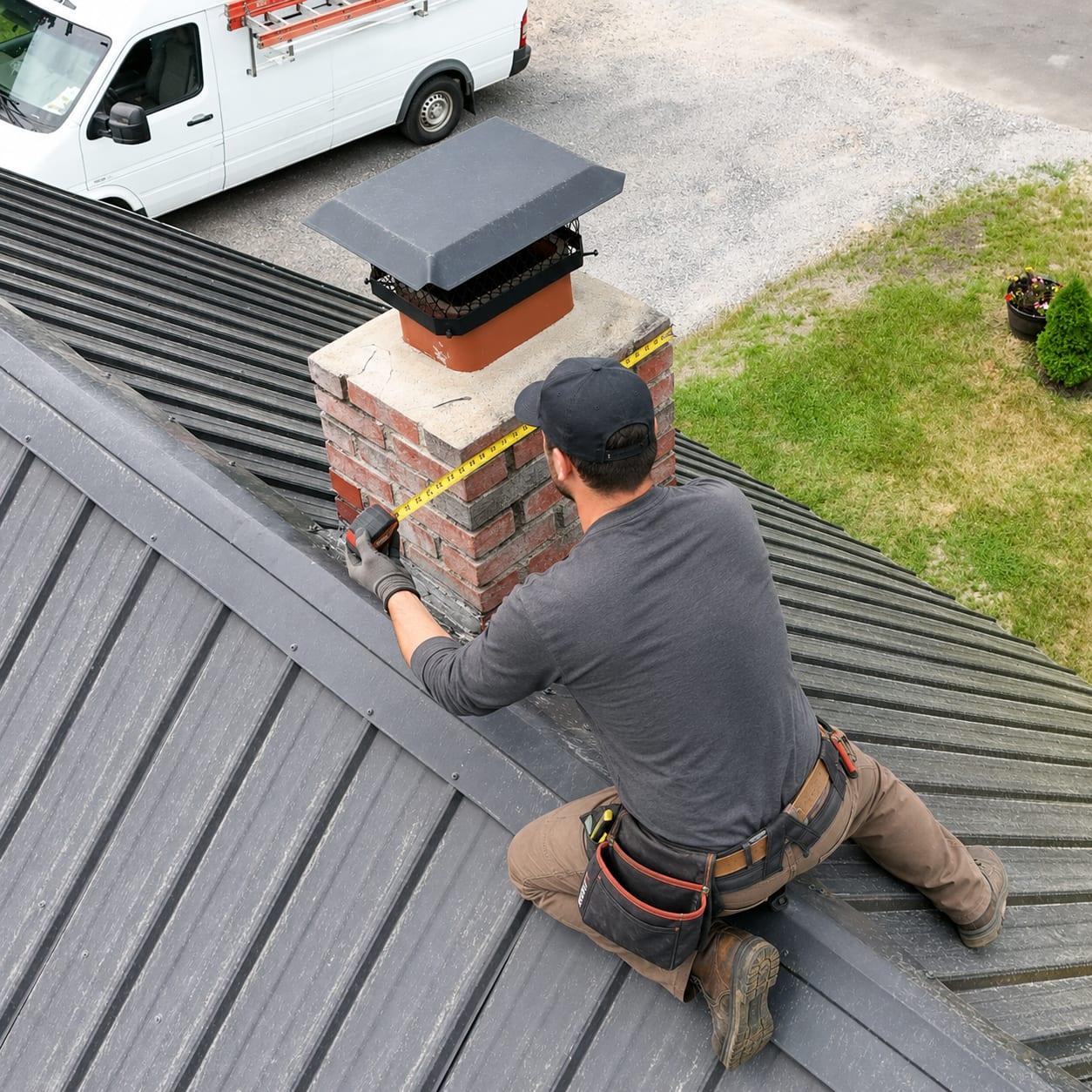
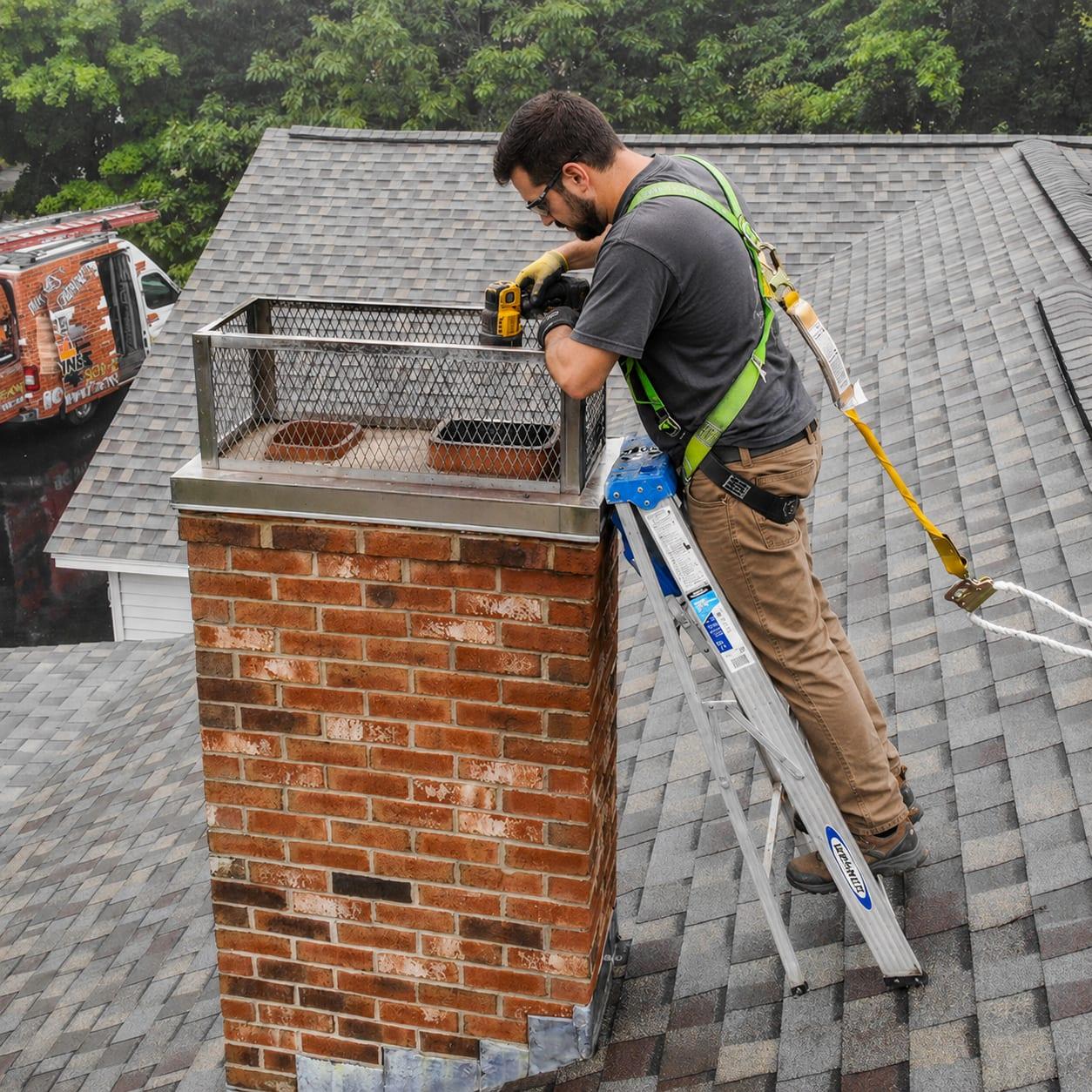
- Chimney exterior: masonry, crown, cap, flashing and any chase cover
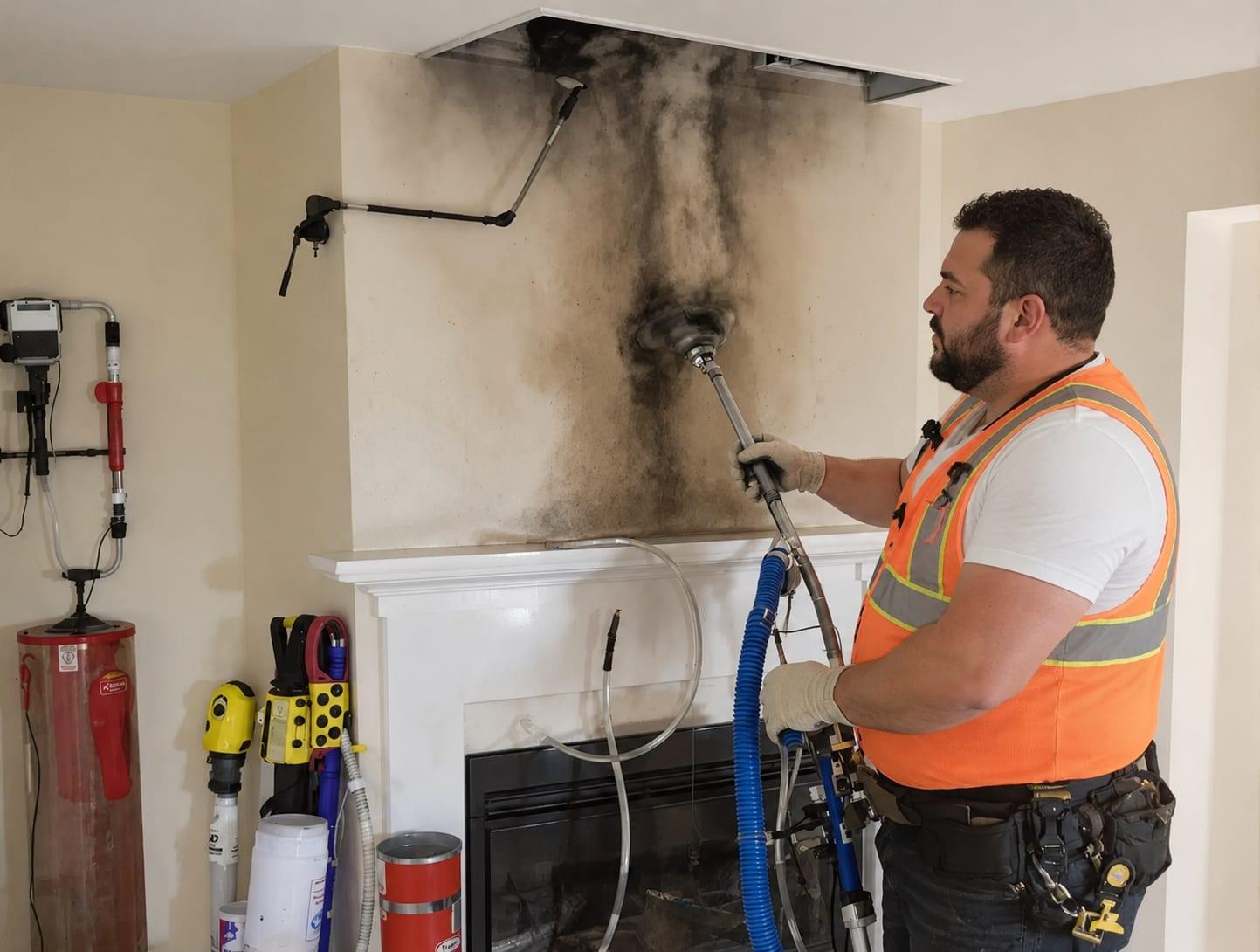
- Flue and liner: soot and creosote buildup, cracks, gaps and blockages such as nests or debris
- Damper: whether it opens, closes and seals properly
- Firebox and smoke chamber: cracked bricks, missing mortar or damaged panels
- Clearances: combustible items stored too close to the fireplace opening
- Signs of misuse: burned trash or treated wood, overloaded fires, or a damper left closed during use
- Gas fireplaces and stoves: visible condition of the unit, venting and controls
When a rental chimney needs a look
Some landlords book this on a set schedule. Others call because something changed. Either way, these are the situations where an inspection earns its keep:
- Between tenants, before the new occupant moves in and before the first cold night
- When you buy a property you plan to rent, or take over management of one
- After a tenant reports smoke in the room, a strong smell, or a fire that won't draw
- After a chimney fire, a lightning strike, a storm or a fallen tree limb
- When you hear of water stains near the fireplace, damp brick or rust on the damper
- When animal noises, nesting material or droppings turn up in the firebox
- Before switching fuel, adding an insert, or replacing a fireplace or stove
Tenants often notice warning signs without knowing what they mean. Sharing the signs your chimney is telling you with them can help problems get reported early instead of at move-out.
How the visit works, step by step
From booking to findings
Arrange access
You tell us the address and who will let us in, whether that's you, a property manager or the current tenant. Let the tenant know not to use the fireplace for several hours beforehand so it's cool.
Exterior check
We look at the chimney from outside: the cap, crown, masonry, mortar joints, flashing and any chase or chase cover.
Fireplace and firebox
Inside, we check the firebox, damper, smoke chamber and the area around the opening, including anything stored too close.
Flue examination
We inspect the flue for buildup, damage and blockages. If the flue can't be seen well enough, a camera inspection may be recommended.
Walk-through of findings
We explain what we found, what is safe to use, what should be fixed before the fireplace is used again, and what can be planned for later.
When a deeper inspection is called for
If the visual check raises questions that can't be answered from the firebox and the top of the chimney, the next step is usually a Level 2 chimney inspection. It goes further, often with a camera through the full flue, and is commonly recommended when a property changes hands, after a chimney fire, or when the system has been altered. In rare cases where damage is suspected behind walls or inside the structure, a level 3 chimney inspection involves access to concealed areas.
Fireplaces, stoves and gas units we check
Rental homes come with every kind of setup: open wood-burning fireplaces, inserts, wood and pellet stoves, prefab units with metal chimneys, and gas fireplaces. Gas fireplace and gas appliance work is offered, and we work on all major brands, so a mixed portfolio doesn't mean calling different companies for different units.
Dampers deserve particular attention in rentals because tenants rarely know how to use them. A damper left shut sends smoke into the room, and one left open in summer wastes cooling and lets moisture in. If you want to know what's installed in your property, our guide to types of chimney dampers explains the common designs.
Safety and upkeep between inspections
If a tenant reports smoke or a burning smell
Ask them to stop using the fireplace or stove right away, keep the area clear and open windows if smoke is in the room. If anyone feels unwell or there is fire outside the firebox, they should leave the home and call 911. Get the chimney checked before it's used again.
- Make sure working smoke and carbon monoxide alarms are in place and tested.
- Give tenants simple written fireplace rules: seasoned firewood only, no trash or treated wood, screen or doors closed while burning, ashes cooled in a metal container.
- Have the chimney swept when buildup is found, not just inspected. The chimney soot removal guide explains why buildup matters.
- Keep a cap and screen on the chimney to keep out rain and animals, which is especially useful in vacant units between leases.
- Schedule the inspection well before the heating season so repairs don't hold up a move-in.
Booking an inspection for your rental
We inspect rental homes across Atlanta and the wider Atlanta Metropolitan Area, whether you own one house or manage many units. Commercial and property-manager work is offered, so if you need several properties scheduled together, ask about our commercial and property management chimney services.
Call or request an estimate, and tell us the property address, the type of fireplace or stove, and who will provide access.