On this page
What an animal screen does and what installing one involves
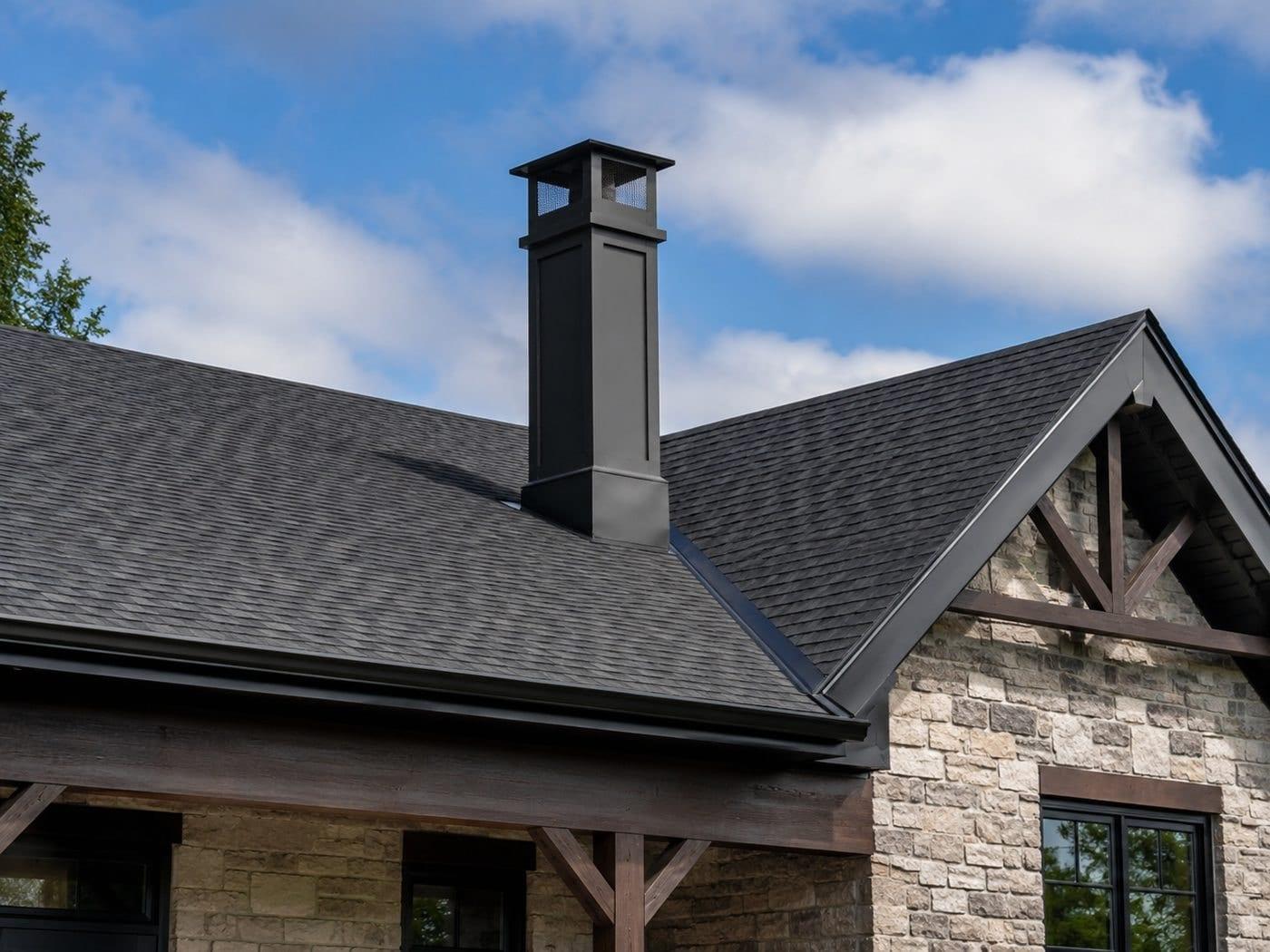
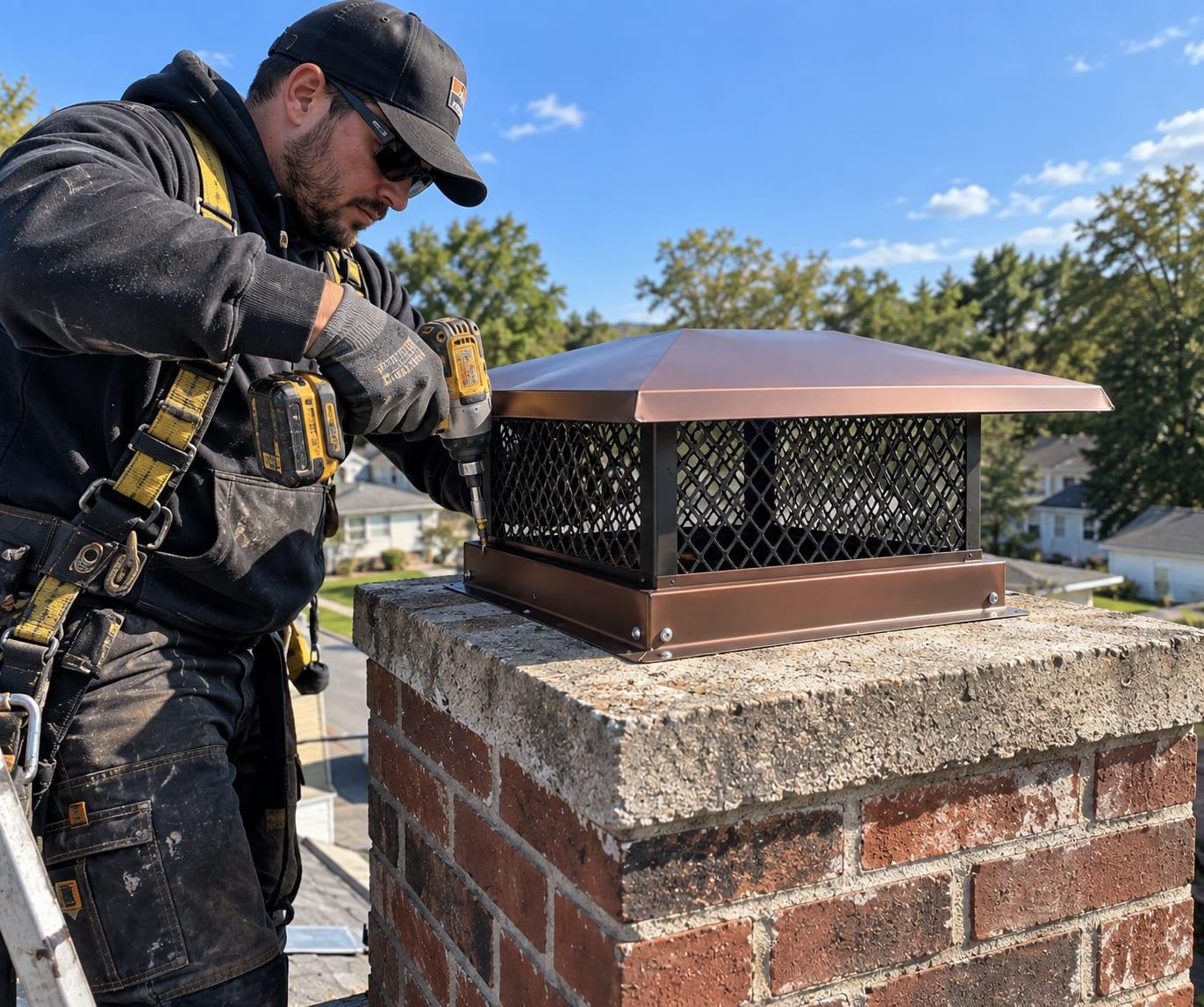
A chimney animal screen is a metal mesh barrier fitted at the top of the flue. It is usually built into a cap, either as the sides of the cap itself or as mesh added beneath an existing cap's hood. The mesh openings are small enough to stop animals but large enough to let smoke, gases and heat escape.
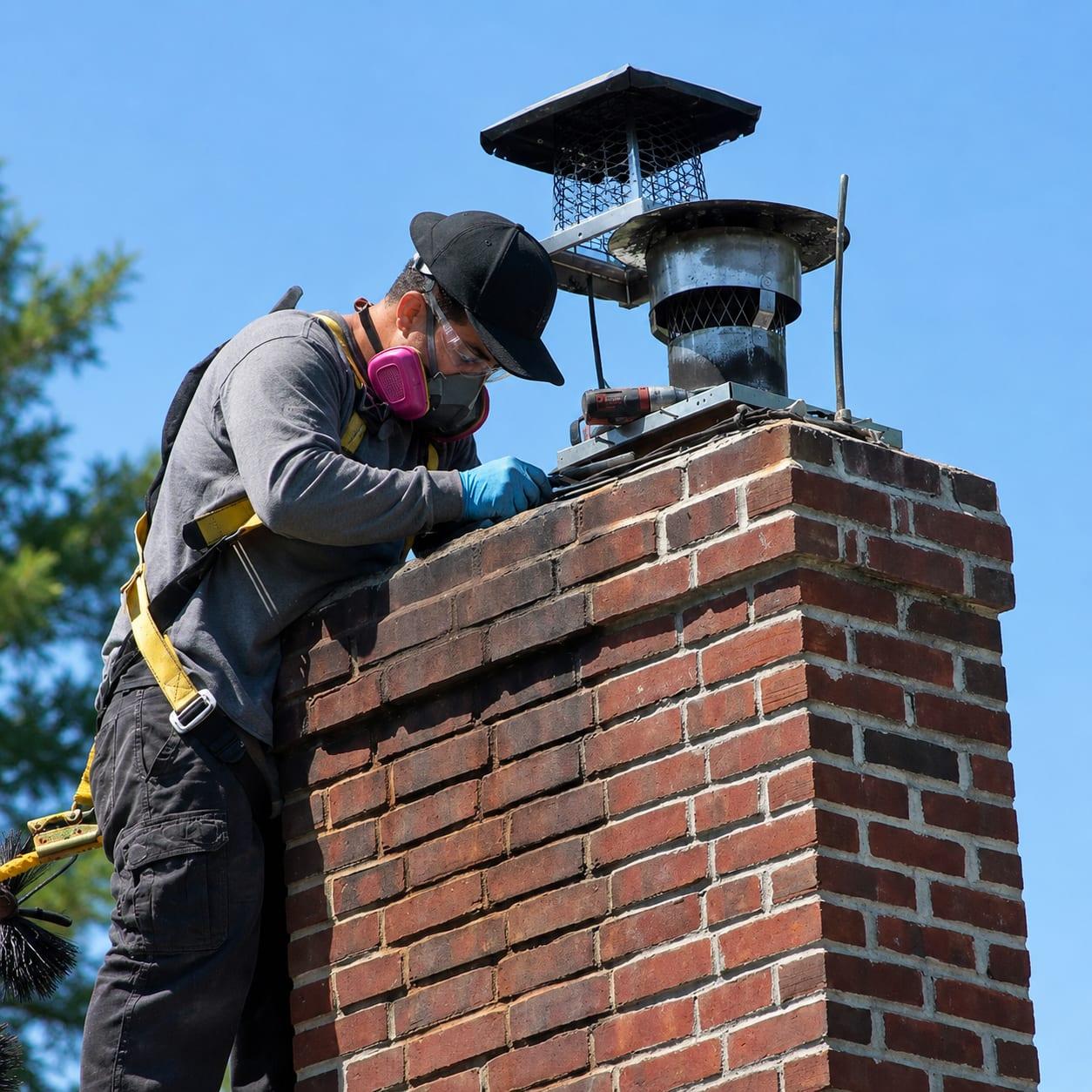
Installation means measuring the flue opening and the top of the chimney accurately, choosing a screen that fits the flue type, and securing it so wind, weather and a determined animal can't push it loose. If your chimney has no cap at all, the screen usually goes on as part of a full chimney cap installation, which also keeps rain out of the flue.
Signs your chimney needs a screen
Common reasons homeowners call
- Scratching, chirping or fluttering sounds coming from the fireplace or chimney
- Twigs, leaves, feathers or nesting material falling into the firebox
- A musty or animal odor from the fireplace, especially in warm or damp weather
- Smoke backing into the room because something is partly blocking the flue
- An open flue with no cap or mesh, visible from the yard
- An old screen that is rusted through, bent or pulled away from the cap
- Animals were recently removed from the chimney and you want to keep them from coming back
If an animal is already inside
Don't light a fire to drive it out, and don't seal the top while it's still in the flue. We handle chimney animal and nest removal first, then fit the screen once the flue is clear.
What happens during the visit
How the work goes, step by step
Check the flue for animals and nesting
We look down the chimney first. Any animal, nest or debris has to come out before anything is installed on top.
Inspect the top of the chimney
We look at the crown, the flue tile or pipe, and any existing cap so the screen is mounted on something solid.
Measure the flue
Masonry flues, multi-flue chimneys and factory-built metal chimneys each take a different style of screen or cap, so exact measurements matter.
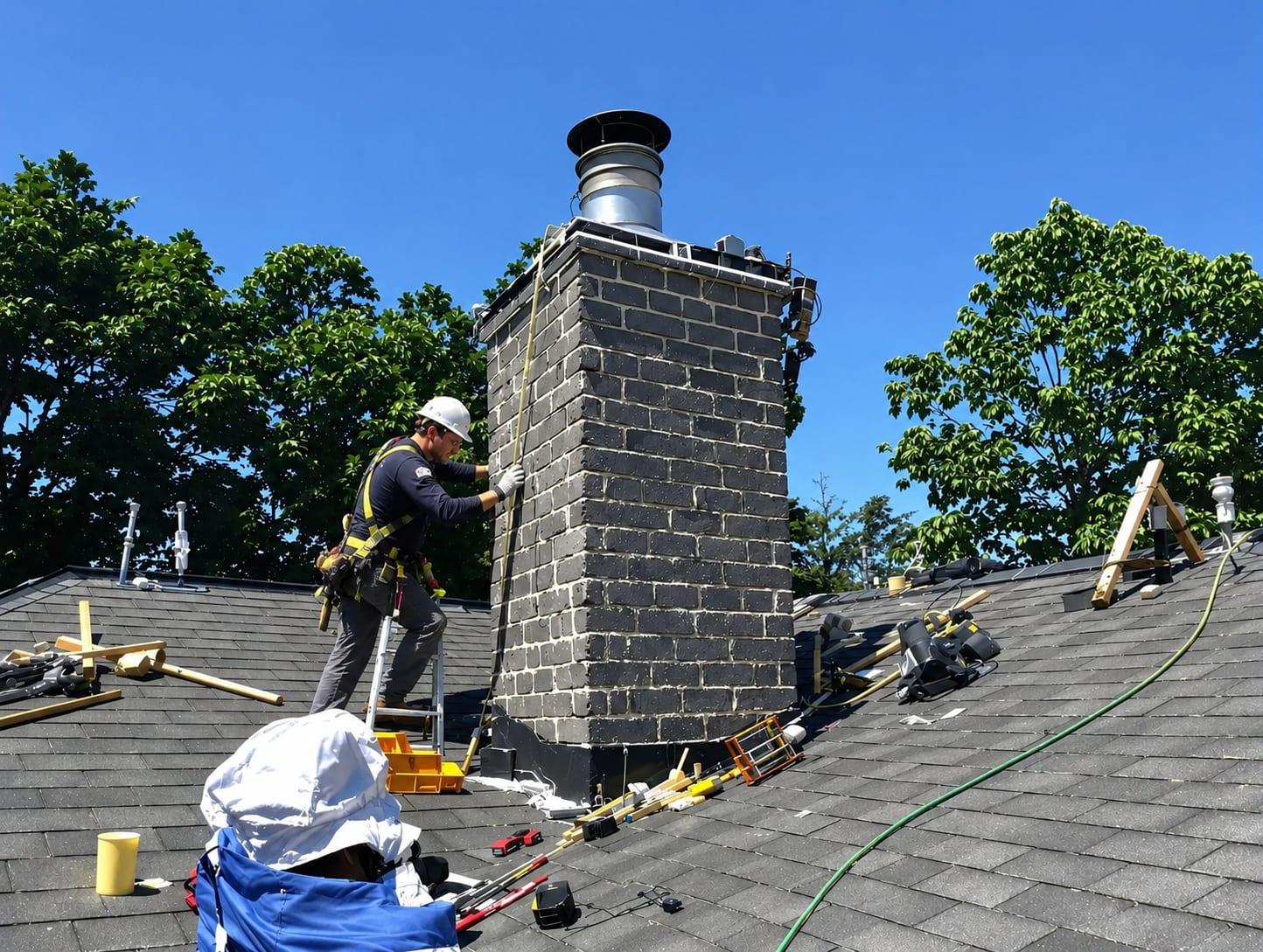
Fit and secure the screen
The screen or screened cap is fastened so it stays put in high wind and can't be pried open from outside.
Confirm the venting
We check that nothing restricts the flow of smoke or exhaust, then walk you through what we installed and what to watch for.
Screen materials and the appliance you burn
Most animal screens are stainless steel or galvanized steel mesh. Stainless holds up longer against weather and corrosive flue gases. The right mesh and style also depend on what vents through the chimney. A wood-burning fireplace may call for mesh that also catches embers, which is covered under spark arrestor installation. Gas fireplaces and other gas appliances need a screen that won't restrict exhaust, and gas fireplace and gas appliance work is part of what we do.
If you're comparing cap styles and materials before deciding, a buyer's guide to chimney caps lays out the options.
Keeping a screened chimney working safely
- Fine mesh can collect soot, creosote and leaves. A clogged screen restricts the draft, so have it checked during regular sweeping.
- A screen keeps animals out of the top of the flue but does nothing for a cracked or deteriorating liner. If an inspection turns up liner damage, read about chimney liner hazards and how to avoid them and how relining a chimney flue addresses them.
- After a storm, glance at the top of the chimney from the yard. A tilted or missing cap means the screen is no longer protecting the flue.
Booking a screen installation
Call or request an estimate and tell us what you've noticed, such as sounds, debris or an uncapped flue, and what kind of fireplace or appliance uses the chimney. Commercial and property-manager work is offered too, so rental and multi-unit chimneys are included.