On this page
What fireplace insert installation involves
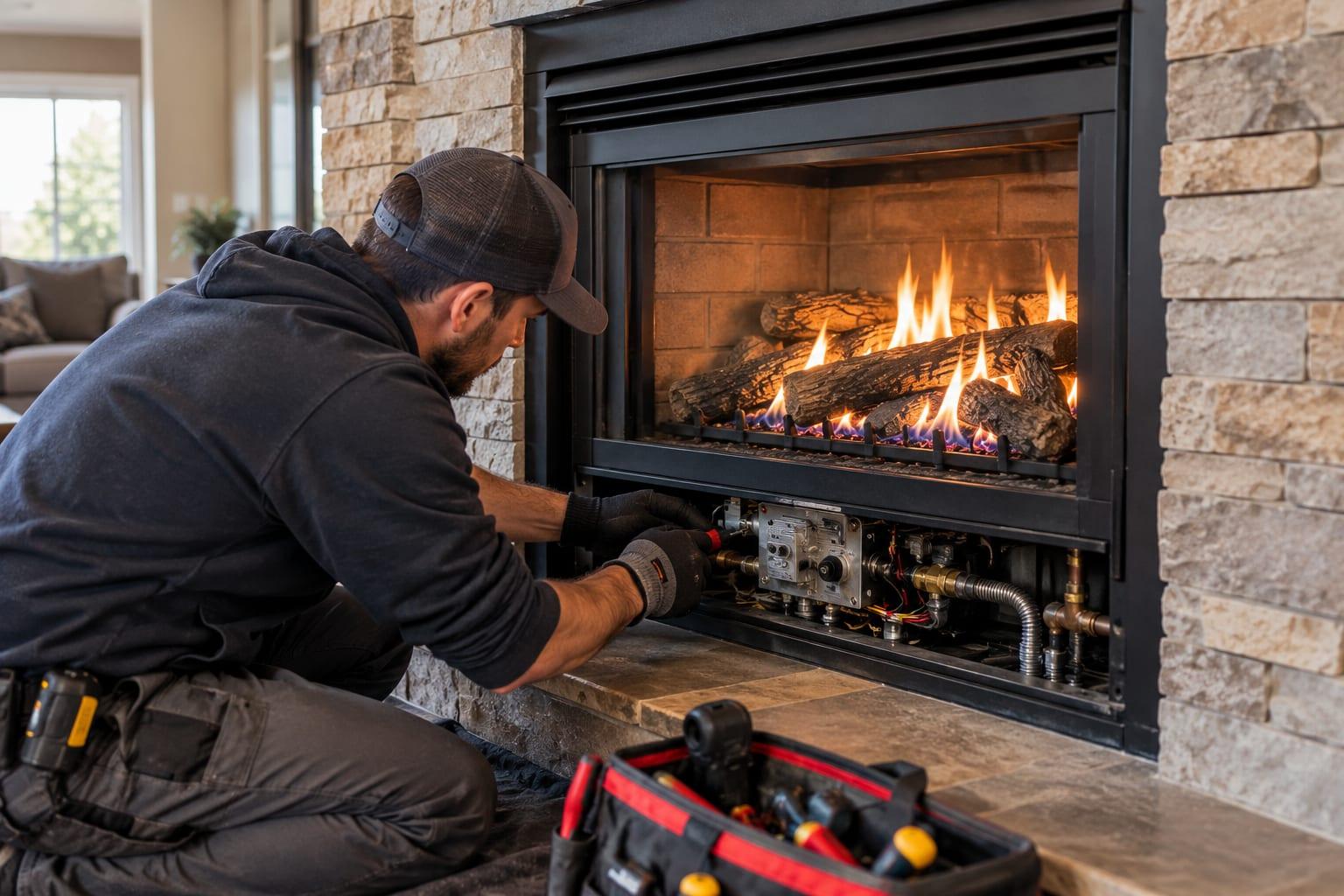
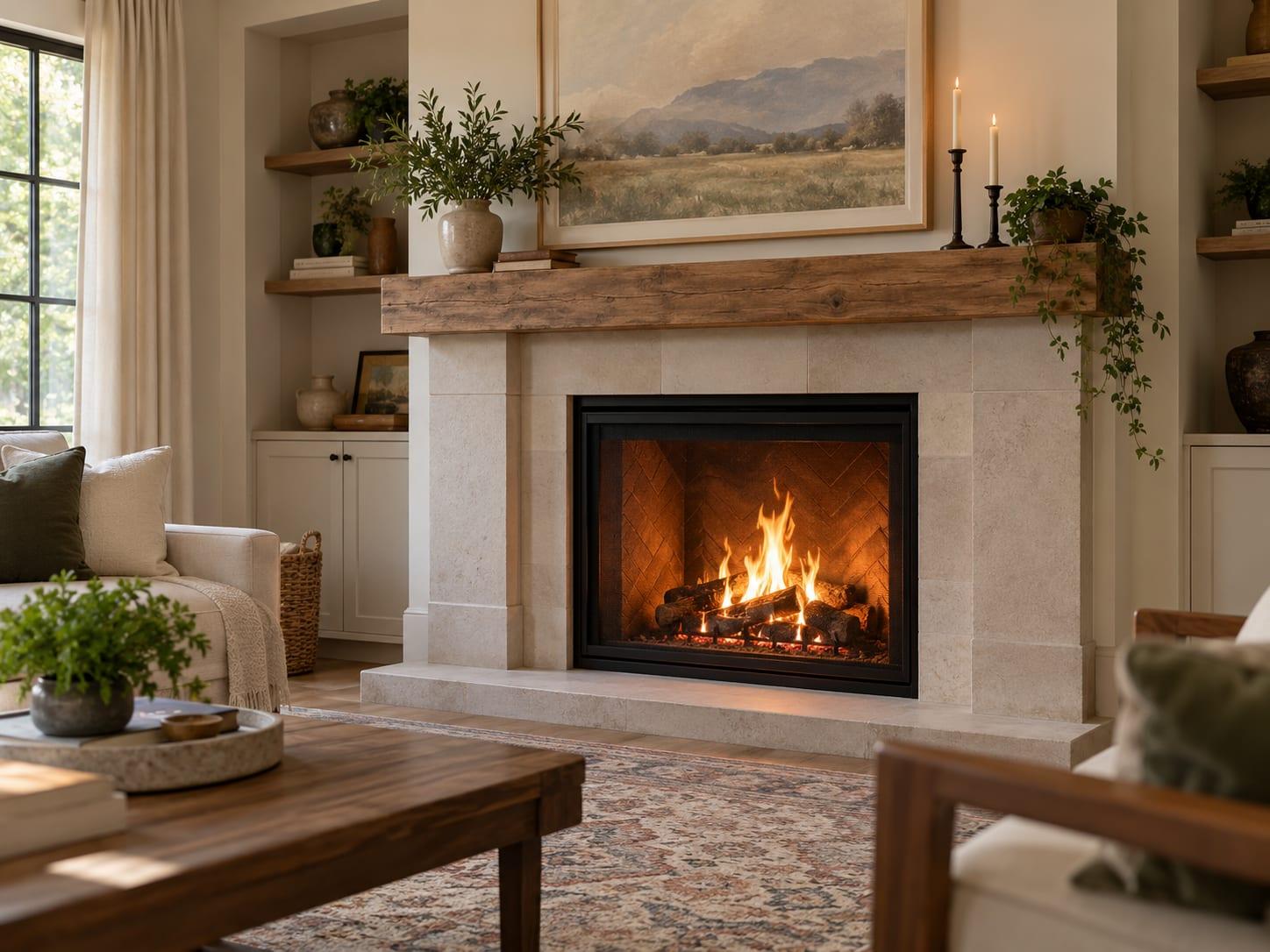
A fireplace insert is a closed firebox with a glass front. It sits inside an existing fireplace opening. Fitting one is more than sliding a box into place. The insert has to match the firebox dimensions. It has to vent correctly, either through a liner run up the chimney or, for electric units, not at all. It also needs a sealed surround so room air doesn't leak around it and up the flue.
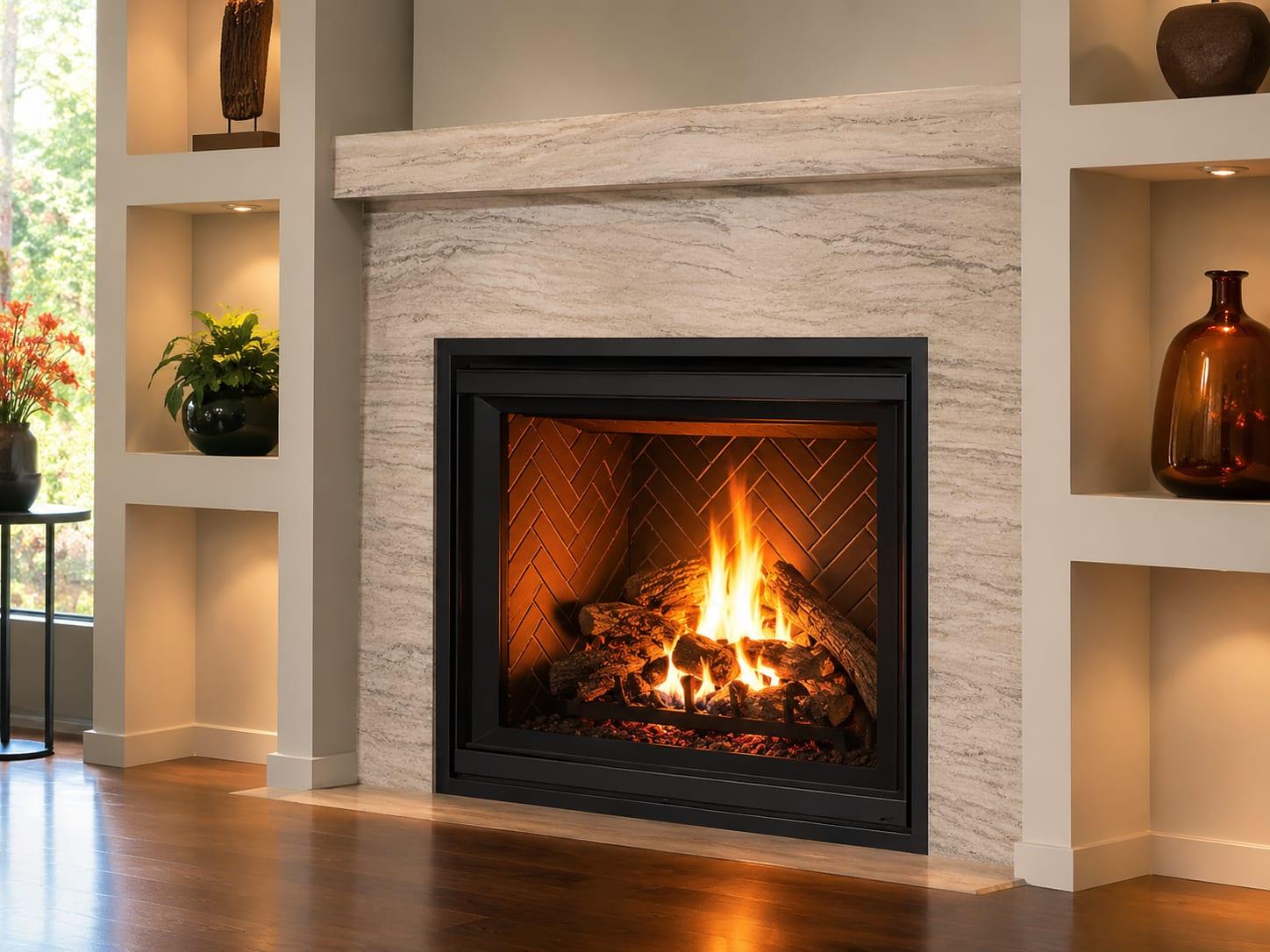
This differs from building a fireplace where none exists. If you are starting from a bare wall or replacing a whole unit, our fireplace installation service is the better fit.
Signs an insert is the right move
An insert is worth considering when:
- The room feels colder with a fire going because the open fireplace pulls warm air up the chimney
- You want heat you can control, not just the look of a fire
- Smoke spills into the room or the fireplace drafts poorly
- You are tired of hauling wood and want to switch to gas or electric
- The damper no longer seals and cold air comes down the flue when the fireplace is off
- The fireplace sits unused because it is more trouble than it is worth
An insert won't fix a damaged chimney. Cracked flue tiles, crumbling masonry or a failing firebox need attention first. We check for these before any insert goes in. If your current wood fireplace only needs repairs, wood-burning fireplace repair may be all it takes.
Choosing a fuel type
The fuel decides how the insert is vented, how much upkeep it needs and how it feels to use. If you are still weighing options, our guide to gas vs wood fireplace walks through the trade-offs.
| Feature | Gas insert | Wood insert |
|---|---|---|
| What it needs | A gas supply and a sealed vent system up the chimney | A full-height liner connected to the insert |
| Daily use | Switch or remote, no ash | Loading wood and removing ash |
| Upkeep | Periodic service of burner, valve and venting | Regular chimney sweeping for creosote |
What it needs
- Gas insert
- A gas supply and a sealed vent system up the chimney
- Wood insert
- A full-height liner connected to the insert
Daily use
- Gas insert
- Switch or remote, no ash
- Wood insert
- Loading wood and removing ash
Upkeep
- Gas insert
- Periodic service of burner, valve and venting
- Wood insert
- Regular chimney sweeping for creosote
Gas fireplace insert installation in an existing chimney
A gas insert usually vents through the chimney. Most use a direct-vent system, which runs flexible liners up the flue so the unit draws combustion air from outside and sends exhaust out the top. We handle gas fireplace and gas appliance work, including running or extending the gas line to the fireplace when there isn't one. If your plans include a new gas fireplace rather than an insert, see how gas fireplace installation works. If an existing gas unit just won't light or stay lit, gas fireplace repair may solve it without replacing anything.
Electric fireplace inserts
An electric insert needs no venting and no gas line, so the setup is simpler. It still has to fit the opening snugly and be finished neatly, and it needs a suitable outlet nearby. Many homeowners close off the chimney above it so warm room air doesn't escape up the flue. If an electric unit you already own has stopped heating or the flame effect has failed, electric fireplace repair is the place to start.
Wood-burning fireplace inserts
A wood insert burns far more efficiently than an open fireplace, but it is the most demanding to install. It usually needs a stainless liner running the full height of the chimney, connected directly to the insert's flue outlet. We install chimney liners as part of this work, so the venting and the insert are fitted.
What the visit involves, step by step
From first look to first fire
Inspect the fireplace and chimney
We check the firebox, damper, flue and chimney structure. Anything that would make the insert unsafe gets flagged before work starts.
Measure and choose the unit
We measure the opening, depth and flue size so the insert fits. Then we go over fuel types and models with you.
Prepare the fireplace
For gas or wood units, the chimney is swept and any needed repairs are made. That might be firebox, damper or masonry work.
Install venting and connections
We run the liner or direct-vent system for gas and wood units. Then we connect the gas line or confirm power for electric units.
Set and seal the insert
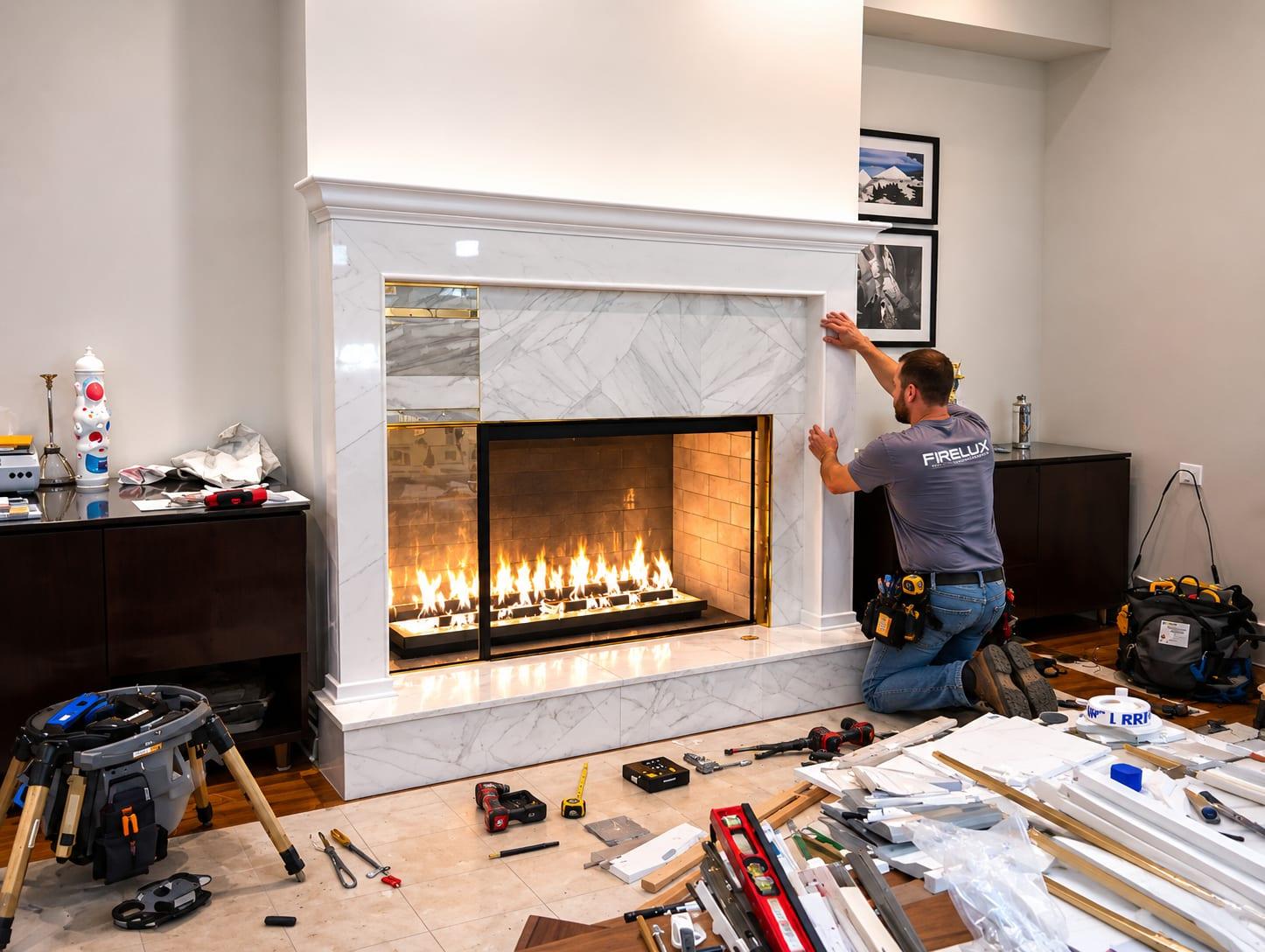
The insert is positioned, leveled and connected to the venting. The surround panel is fitted to close the gap around the opening.
Test and walk you through it
We fire or power up the unit, check draft and operation, and show you how to run it and what upkeep it needs.
Keeping the insert safe once it is in
An insert still needs care. Wood units build creosote in the liner. Gas units need their burner, pilot and venting checked from time to time. Once yours is running, routine fireplace insert cleaning is the job that keeps it that way. Keep a working carbon monoxide alarm near any room with a gas or wood-burning appliance.
If you smell gas
Leave the house, don't operate switches or the insert, and call your gas utility from outside. Once the gas leak has been dealt with, get in touch with us about the fireplace.
Booking your installation
Call or request an estimate to set up the first visit. Commercial and property-manager work is offered, so we can take on inserts in rental units and shared buildings as well as single-family homes.