On this page
What chimney odor removal involves
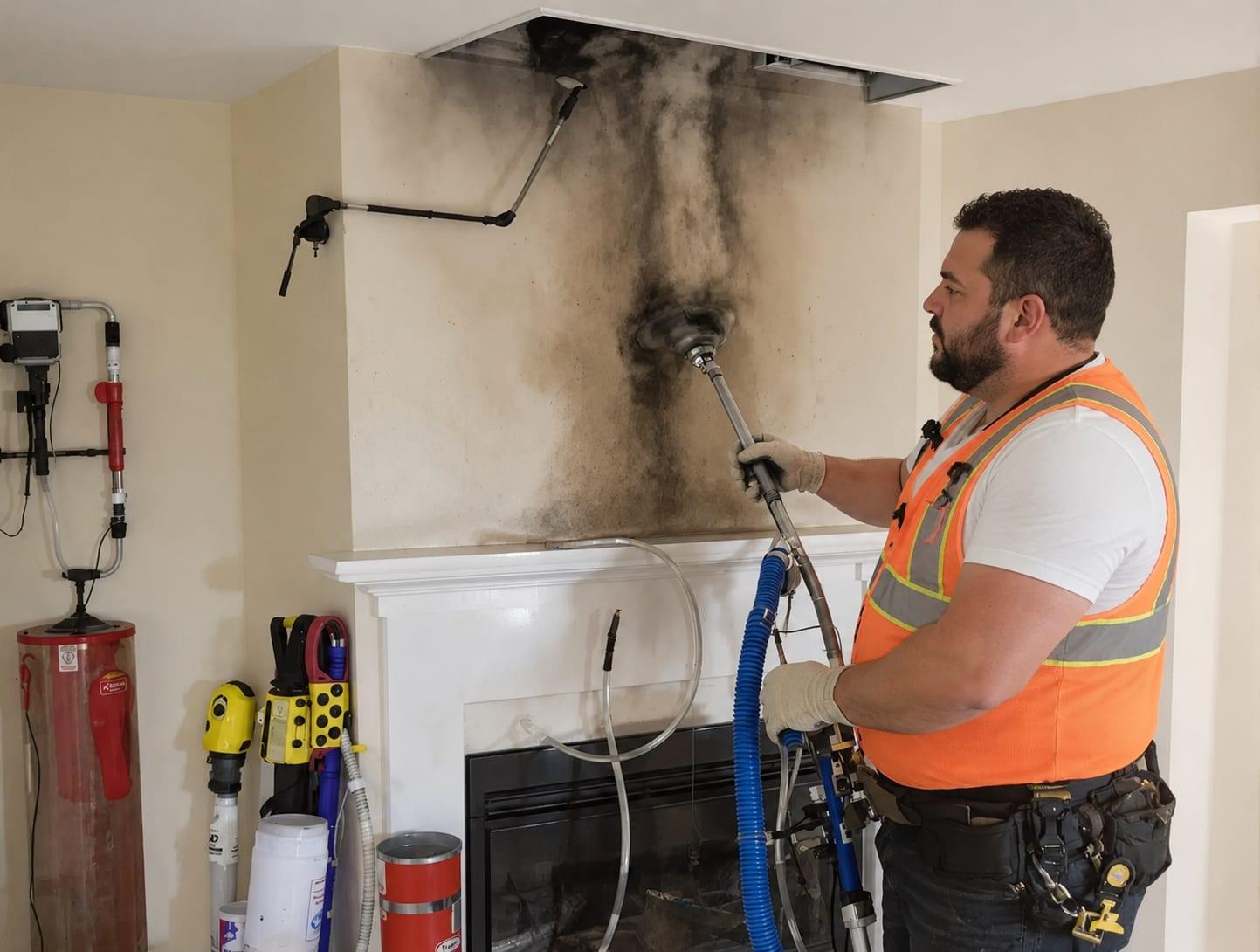
Chimney odor removal is source work, not a scented cover-up. Smells from a fireplace almost always come from something physical inside the system. Common sources are creosote and soot on the flue walls, water soaking into masonry, leaves and debris, or a nest or animal remains. Each source needs a different fix, so the job starts with finding which one, or which combination, you have.
Once the source is found, the work usually includes one or more of these:
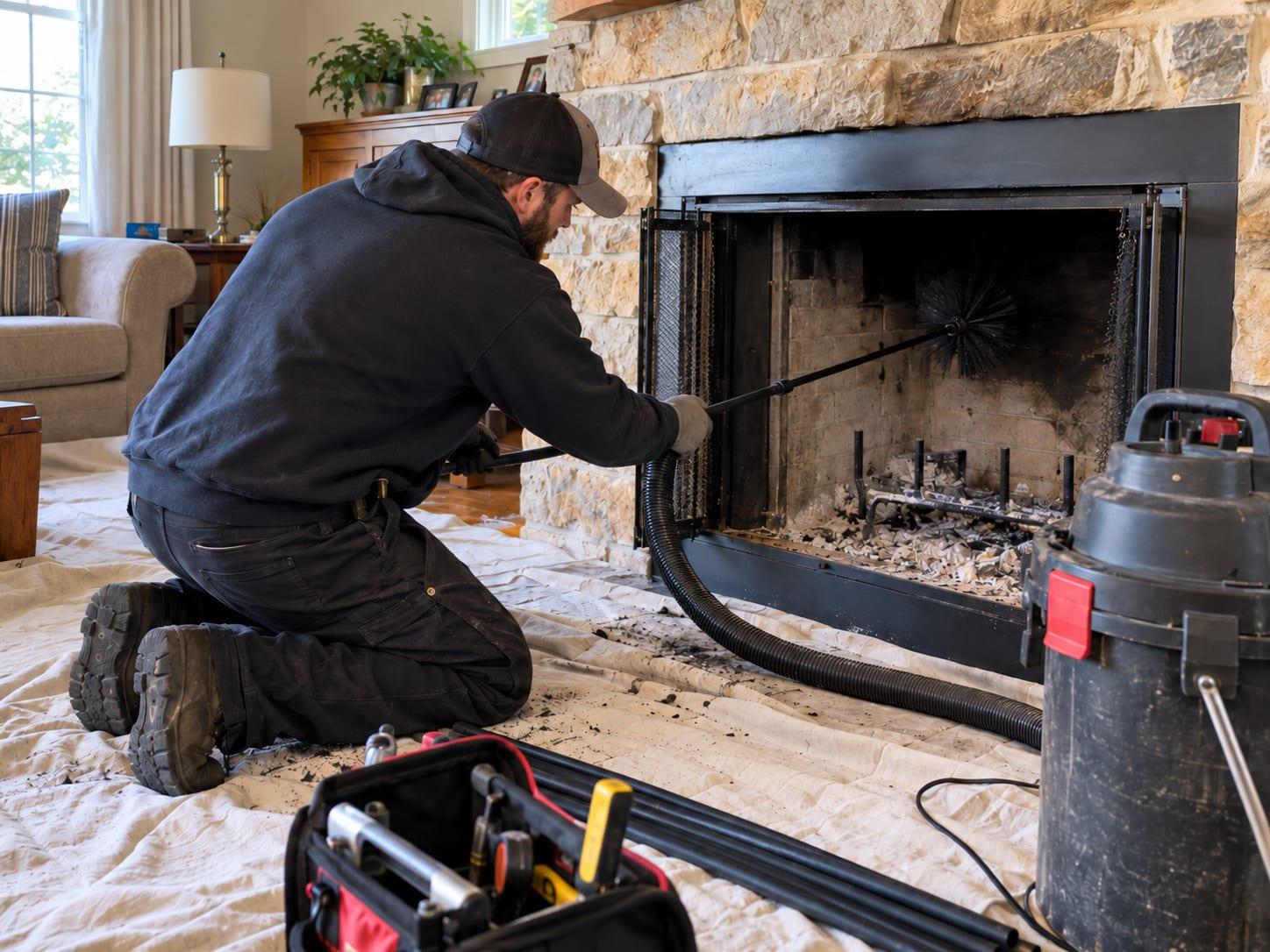
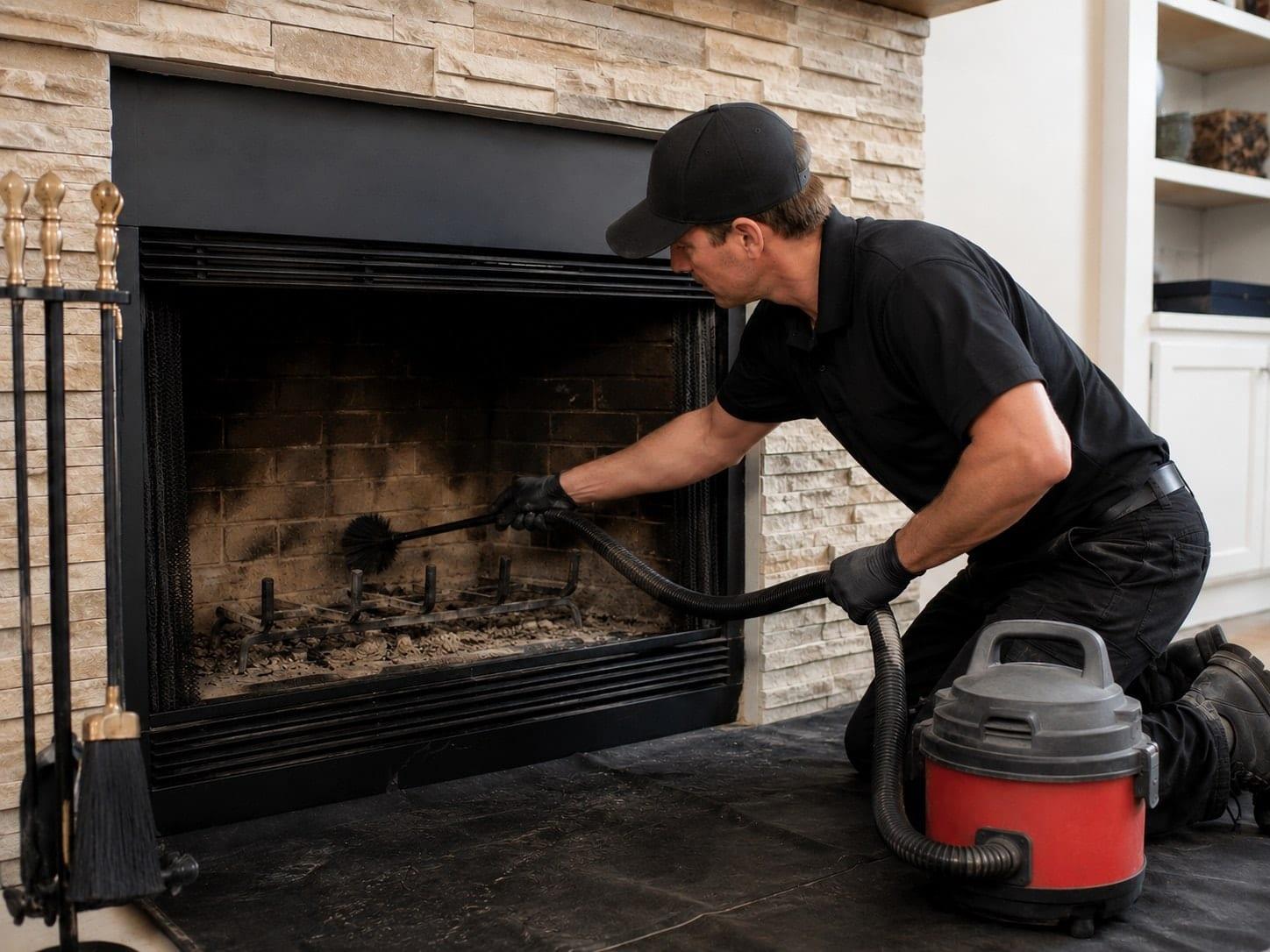
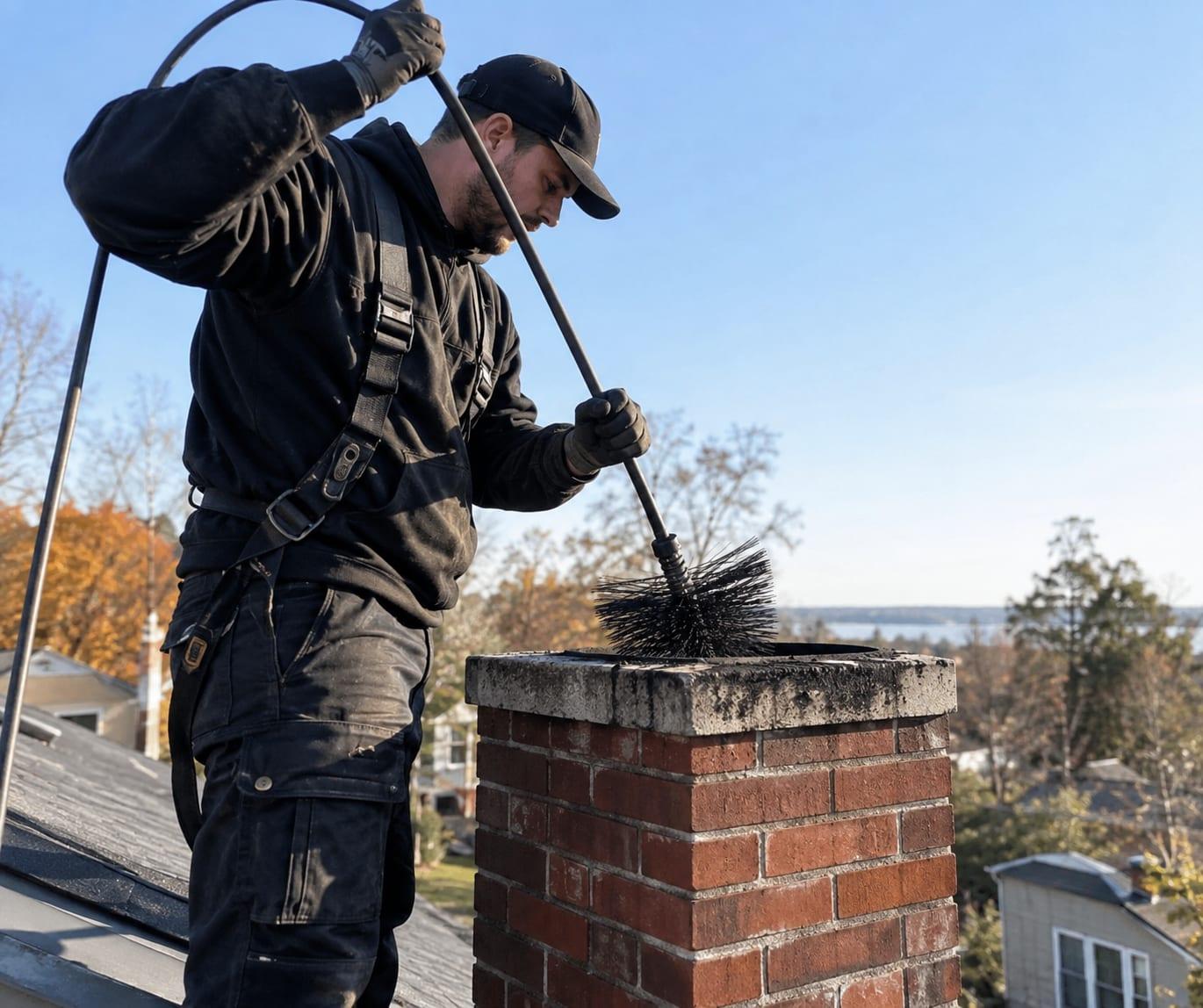
- Cleaning the flue and smoke chamber to remove soot and buildup. This is the same core work as a full chimney sweep service.
- Removing heavier, glazed or tar-like deposits through creosote removal when brushing alone won't lift them.
- Clearing leaves, nesting material and fallen debris from the flue and smoke shelf.
- Identifying where water is getting in, since damp masonry and wet debris are a frequent cause of musty smells.
- Checking how well the damper closes, because a poorly sealing damper lets flue air drift into the room.
Why air fresheners don't solve it
Sprays and odor absorbers can mask a chimney smell for a few days. The deposits or debris causing it stay in place and keep releasing odor, especially in warm, humid weather or when the house draws air down the flue.
When a home needs chimney odor removal
Signs that call for it include a campfire or tar smell that gets stronger in humid weather, a musty or damp odor near the hearth, or a sharp, unpleasant smell that appeared suddenly. Our guide to what causes chimney odor explains how to tell these apart. Call us when the smell keeps coming back, spreads beyond the fireplace, or appeared along with noises or debris in the firebox.
What the visit involves, step by step
How a chimney odor visit usually runs
Talk through the smell
We ask when you notice it, what it smells like and whether weather, the HVAC system or exhaust fans seem to make it worse. Those details point toward the likely source.
Inspect the system
We look at the firebox, damper, smoke chamber and flue. Where the flue can't be seen well by eye, a camera may be used.
Remove the source
Depending on what we find, we sweep the flue, remove creosote, or clear debris and nesting material. A flue that's packed or obstructed is handled as chimney blockage removal.
Address what lets the smell in
We point out issues that keep the odor coming back, such as water entry, a missing or damaged cap, or a damper that doesn't seal. We then explain the repair options.
Walk you through the results
You hear what caused the smell, what we removed, and anything that still needs attention, so you can decide on next steps.
Parts of the chimney that hold onto odors
| Component | Why it can cause odor |
|---|---|
| Flue walls and liner | Creosote and soot coat the surface and release a smoky or tar-like smell, especially when the air is damp. |
| Smoke chamber and smoke shelf | Deposits and fallen debris collect on these ledges above the damper. |
| Damper | A damper that doesn't close tightly lets chimney air into the room. Our overview of types of chimney dampers covers the common designs. |
| Masonry | Brick and mortar absorb water, which leads to musty smells. |
| Chimney top | Without a working cap, rain, leaves and animals can get into the flue. |
When an animal is the cause
Nests, droppings and animal remains create some of the strongest chimney smells. Getting the smell out means removing what's there safely and then keeping animals from coming back. That work is handled through our chimney animal & nest removal service.
Safety notes
A gas smell is different
If you smell gas, which is often described as rotten eggs, don't treat it as a chimney odor. Leave the house, avoid using switches or flames, and call your gas utility from outside. Once the utility has made the home safe, we can look at the gas fireplace or appliance. Gas fireplace and gas appliance work is offered.
Smoke odor that shows up while a fire is burning can mean the chimney isn't drafting properly or the flue is restricted. Stop using the fireplace until it has been checked.
Booking chimney odor removal
Call or request an estimate and tell us what the smell is like and when you notice it. Commercial and property-manager work is offered too, so rental units and business properties can be scheduled the same way.