On this page
What chimney crown repair involves
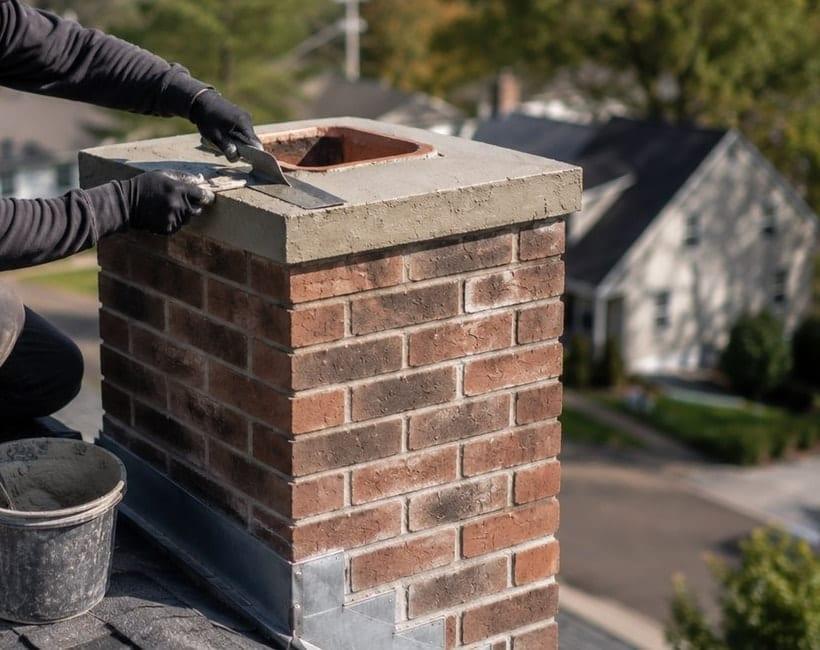
A chimney crown is the sloped slab across the top of a masonry chimney, poured around the flue tile that sticks up through it. Its job is to shed rain away from the opening and off the edges of the brick. Chimney crown repair restores that seal. Depending on the damage, the work is one of three things: sealing hairline cracks, patching and coating a worn surface, or removing the old crown and forming a new one.
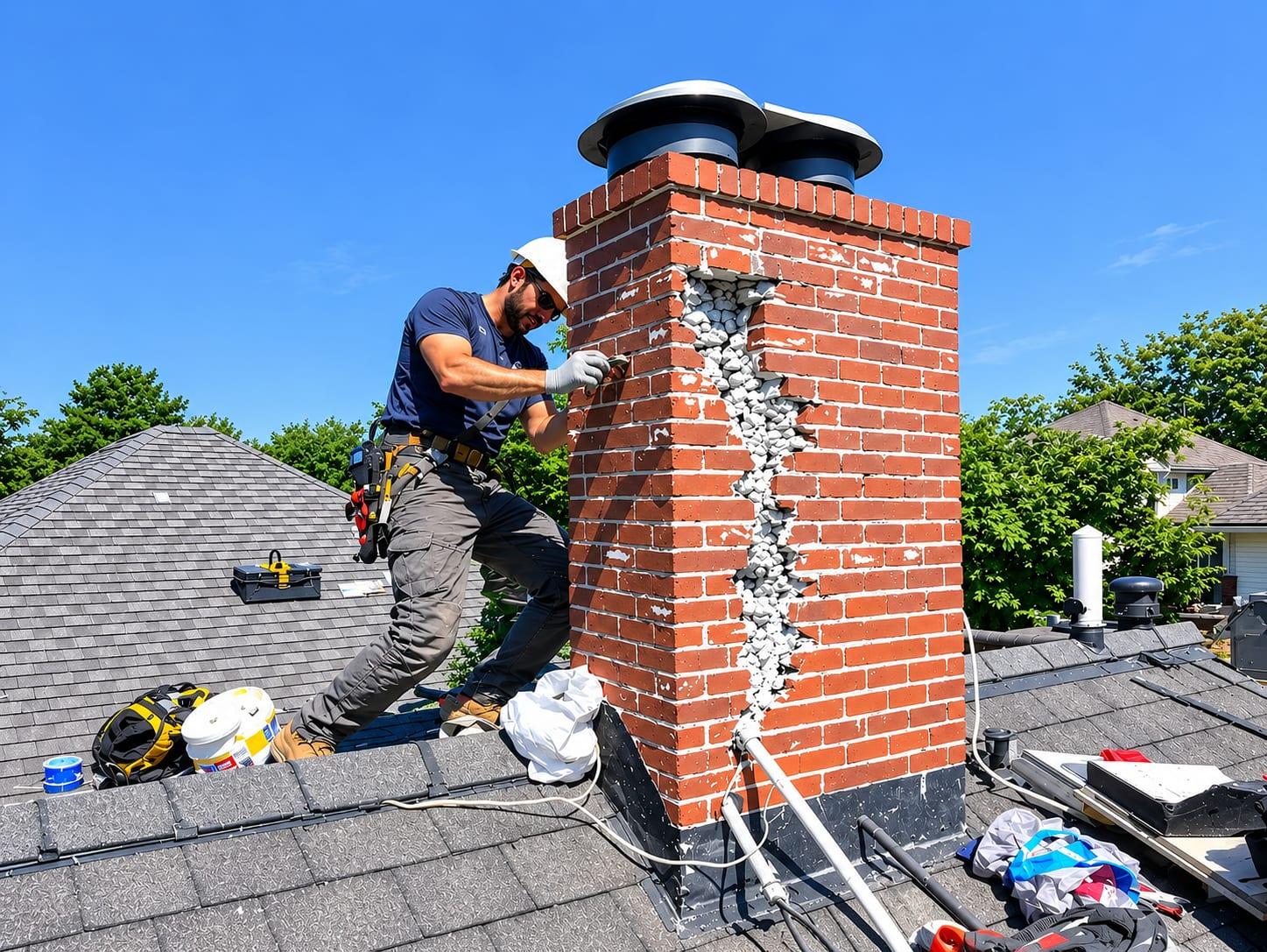
Crown work is a specific part of broader masonry and chimney repair. If the brick below the crown has already loosened or shifted from years of water getting in, the conversation may turn to a partial or full chimney rebuild instead of a crown repair alone.
Materials and parts involved
- The crown slab itself, typically concrete or a mortar mix, sloped so water runs outward.
- The flue tile, which passes through the crown and should have a flexible seal where the two meet so they can expand at different rates.
- Crack sealants and crown coatings, flexible waterproof products made for chimney tops, used when the slab is still sound.
- A drip edge or overhang, which keeps runoff from dripping straight down the face of the brick.
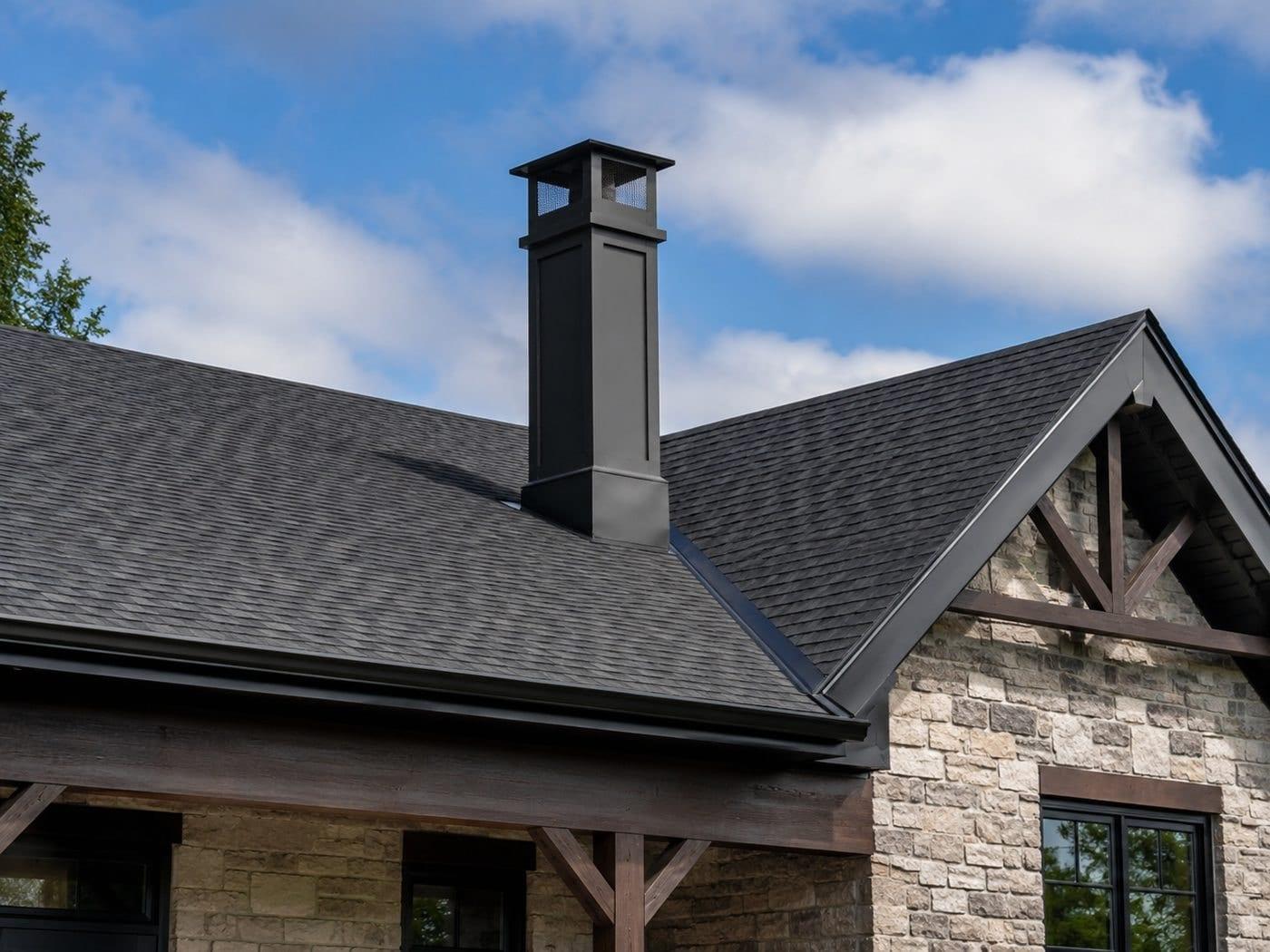
- The chimney cap, which sits above the crown and keeps rain and debris out of the flue.
Signs your chimney crown needs repair
Most crown damage starts small. Water seeps into tiny cracks, expands as it freezes, and widens them over time.
What to look for
- Visible cracks, chips or gaps across the top of the chimney (binoculars from the yard work well)
- Pieces of concrete or mortar on the roof or in the gutters near the chimney
- Water stains, dampness or a musty smell around the fireplace after rain
- Crumbling or spalling brick near the top of the chimney
- Rust on the damper or firebox parts, or water dripping into the firebox
- A gap opening up between the crown and the flue tile
Don't climb up to check
Roofs are a common place for falls. Look from the ground, and let a technician get up close. If you see loose chunks of masonry, keep people and pets clear of the area below the chimney.
What the visit involves, step by step
How a crown repair visit typically goes
Inspect the crown and chimney top
The technician checks the crown surface, its edges, the joint around the flue tile, the cap and the upper brickwork to see how far the damage goes.
Explain the options
You hear what was found and whether the crown can be sealed, needs patching and coating, or should be replaced. If other masonry or the flue is affected, that's pointed out too.
Prepare the surface
Loose material, debris and growth are cleared from the crown so repair products can bond properly.
Seal, patch or rebuild
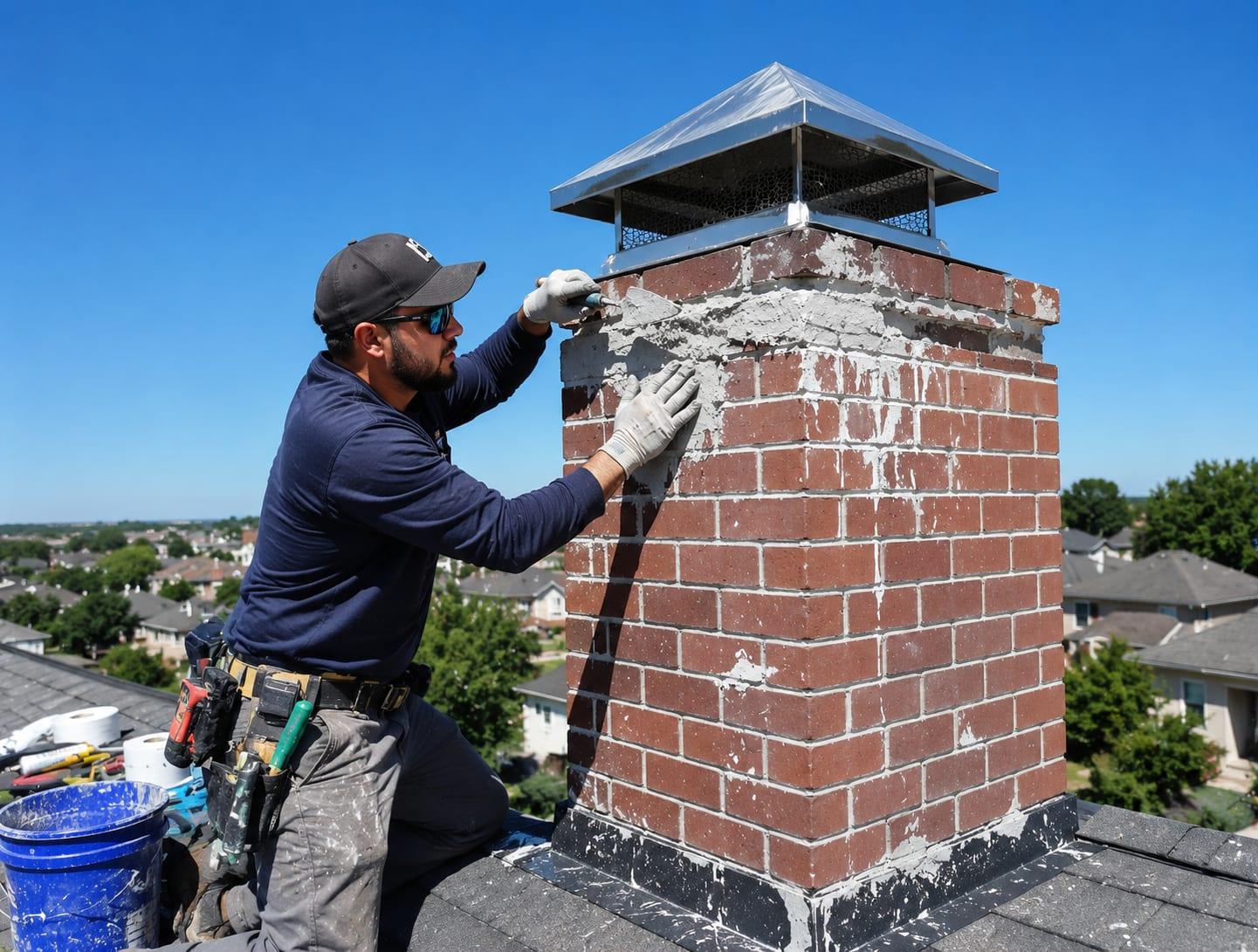
Hairline cracks get a flexible sealant; worn surfaces are patched and coated; a crown that's broken through is removed and a new one is formed with proper slope and overhang.
Seal around the flue
The joint between crown and flue tile is sealed with a flexible material so normal expansion doesn't crack the new work.
Final check
The work area is cleaned up and you're shown what was done, along with anything to keep an eye on.
Keeping the flue protected
A failing crown doesn't only hurt the brick. Water running down past the flue tile can damage the liner and the smoke chamber, and a damaged liner is a safety issue, not just a cosmetic one. The guide to chimney liner hazards and how to avoid them explains why that matters.
A crown and a cap work together: the crown seals the top of the masonry, and the cap covers the flue opening above it. If your chimney has no cap or the old one is rusted out, it's worth pairing crown work with installing a new chimney cap. A buyer's guide to chimney caps covers the main types if you'd like to compare before deciding.
Booking chimney crown repair
Get in touch to request a visit. 24-hour service runs Sunday–Friday, and emergency calls are accepted, so if masonry is coming loose or water is pouring into the firebox, call rather than waiting. Commercial and property-manager work is offered as well.