On this page
What chimney tuckpointing is
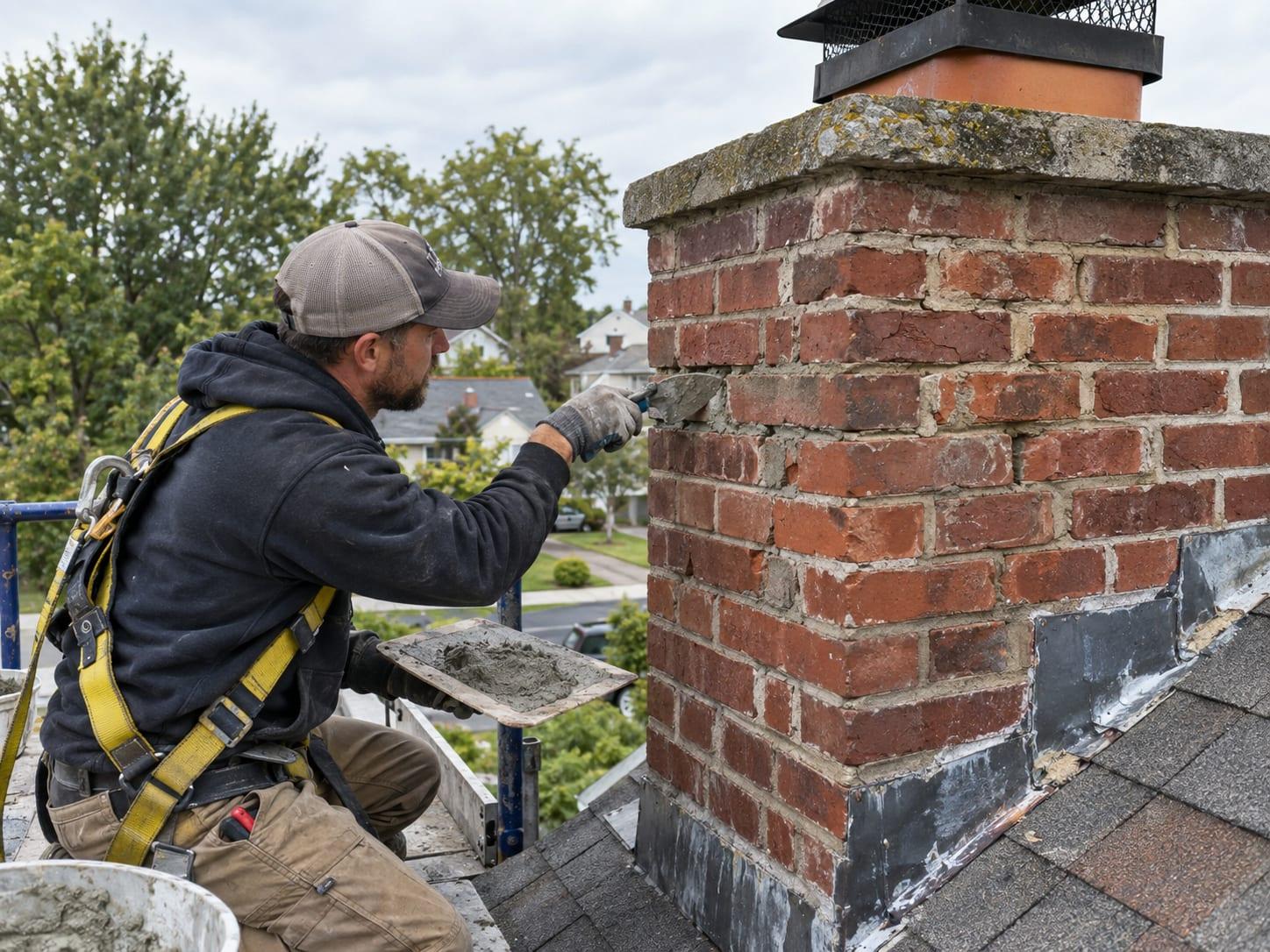
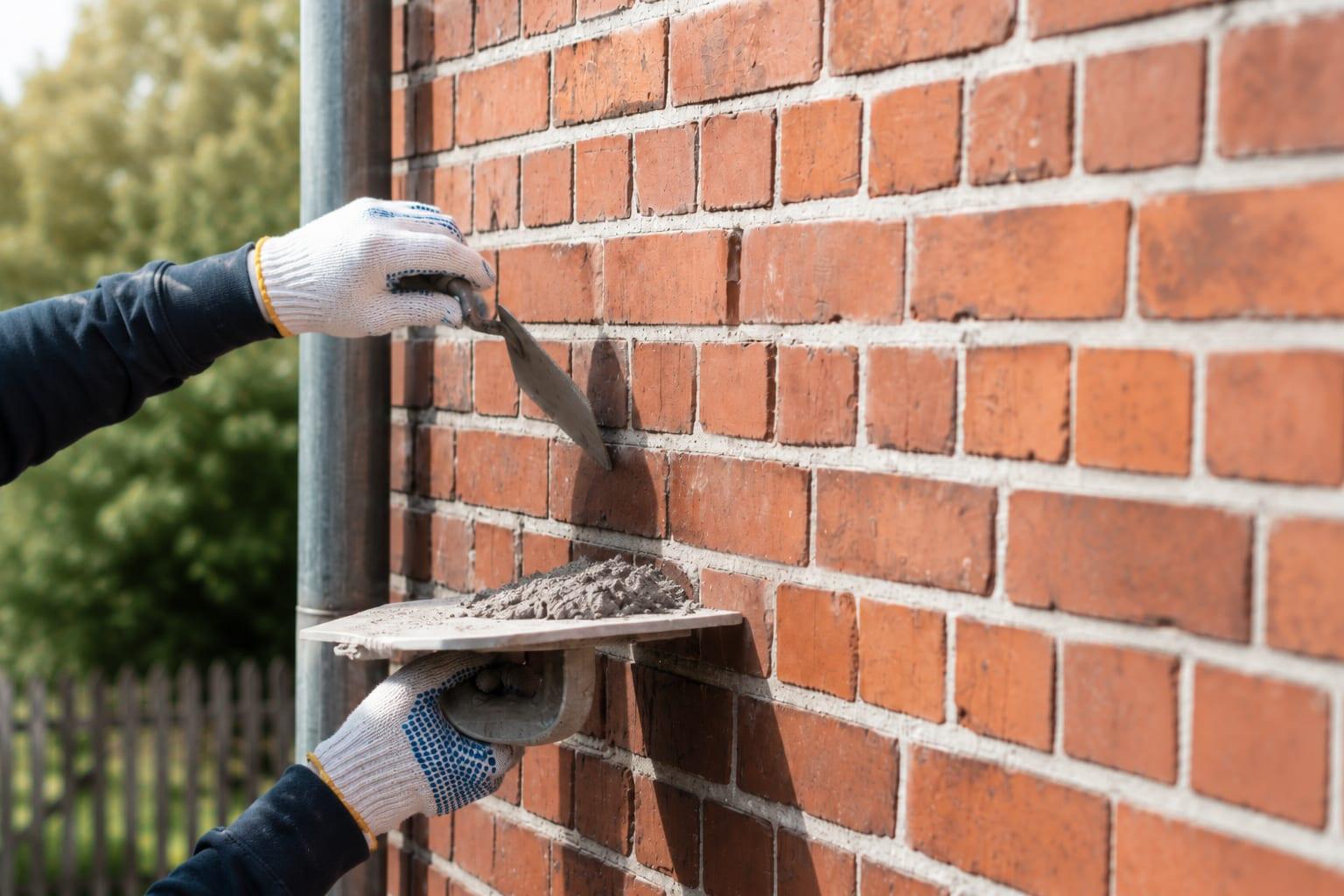
Chimney tuckpointing is the repair of a chimney's mortar joints. Damaged mortar is cut out to a consistent depth, the joints are cleaned, and new mortar is packed in and shaped so it seals the joint and matches the surrounding wall. The bricks stay in place; only the mortar is renewed.
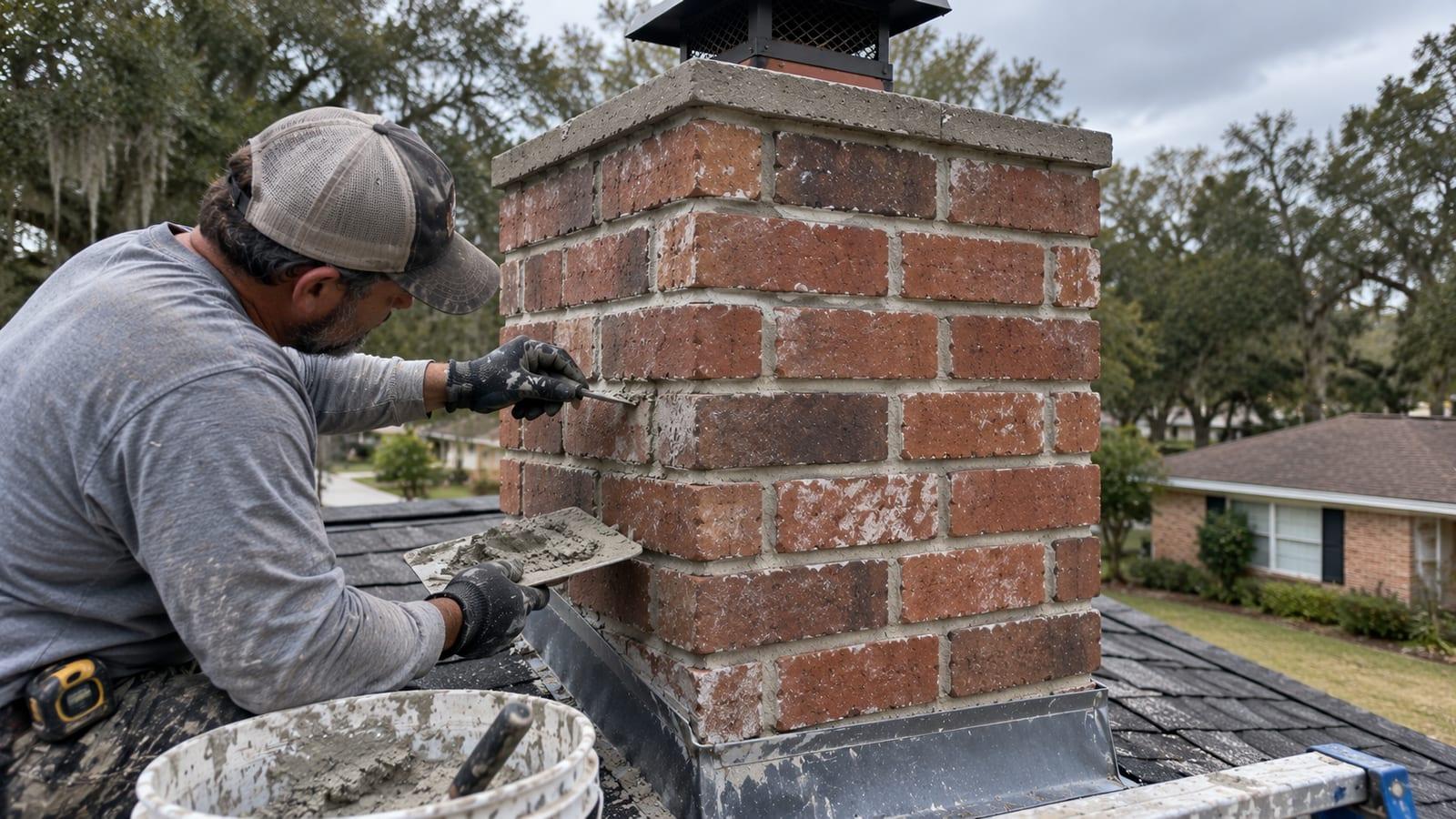
Strictly speaking, "tuckpointing" once meant a decorative finish with a thin contrasting line of mortar, and "repointing" was the general term for replacing mortar. Most homeowners and contractors now use the two words interchangeably for the same job: getting failed joints back to sound, watertight mortar.
It sits in the middle of the range of masonry work. When the joints are worn but the bricks are solid and the stack is straight, tuckpointing is usually the right fix. When bricks are loose, broken or the chimney is leaning, the job moves toward broader chimney repair or, in the worst cases, a chimney rebuild service for the damaged section.
Signs your chimney needs tuckpointing
Mortar wears slowly, so the warning signs are easy to overlook from the ground. Look for these:
Common signs of failing mortar joints
- Joints that crumble or turn to sand when you scrape them with a key or screwdriver
- Gaps or recessed joints where mortar has fallen out and you can see shadows between bricks
- Bits of mortar collecting on the roof, in the gutters or on the ground around the chimney
- Water stains on the ceiling or wall near the chimney, or dampness in the fireplace
- Bricks with chipped or flaking faces next to deteriorated joints
When it may be more than mortar
Bricks that wiggle, a visible lean, or large cracks running through the bricks themselves point to structural problems. Tuckpointing alone will not fix those, so an inspection should decide the scope before any work is booked.
What a tuckpointing visit involves, step by step
How the work is done
Inspect the masonry
The chimney is checked from the roof to see how many joints have failed, whether any bricks are loose or damaged, and how the crown, flashing and cap are holding up.
Protect the work area
Roofing around the chimney and the ground below are covered to catch dust and debris.
Remove the failed mortar
Damaged mortar is cut or raked out to an even depth so the new mortar has solid material to bond to. Sound joints are left alone.
Clean and dampen the joints
Dust and loose material are cleared out, and the joints are lightly moistened so the brick doesn't pull water out of the fresh mortar too quickly.
Pack in new mortar
Mortar is pressed into the joints in layers until they are full and dense, rather than smeared over the surface.
Tool and finish the joints
Once the mortar firms up, the joints are shaped to match the existing profile and help water run off the face of the brick.
Review what else the chimney needs
If the inspection turned up a cracked crown, worn flashing or a missing cap, you'll hear about it so the water problem is addressed at every entry point.
Mortar and materials
The mortar used matters as much as the workmanship. New mortar should be softer than the brick it sits between, so that stress and moisture work their way out through the joints instead of through the brick faces. Mortar that is too hard for the brick can cause the edges of the bricks to crack and flake over time, which is why the mix is chosen to suit the existing masonry rather than taken straight from the strongest bag available.
Color and texture are matched as closely as practical to the original joints so the repair blends in. New mortar often looks slightly lighter at first and settles toward the surrounding color as it cures and weathers.
Keeping water out after the repair
Fresh joints hold up best when the rest of the chimney is also shedding water. The top of the chimney takes the most weather, so a cap that keeps rain off the flue and crown helps protect the new mortar. If you're weighing options, a buyer's guide to chimney caps covers the main types, and the chimney cap installation service handles fitting one.
Tuckpointing deals with the outside of the brickwork. The inside of the flue is a separate system, and a damaged liner carries its own risks; chimney liner hazards and how to avoid them explains what to watch for.
Booking chimney tuckpointing
Call or request an estimate to have the chimney's masonry looked at. Commercial and property-manager work is offered, so the same service is available for rental and business properties.