On this page
What metal chimney installation involves
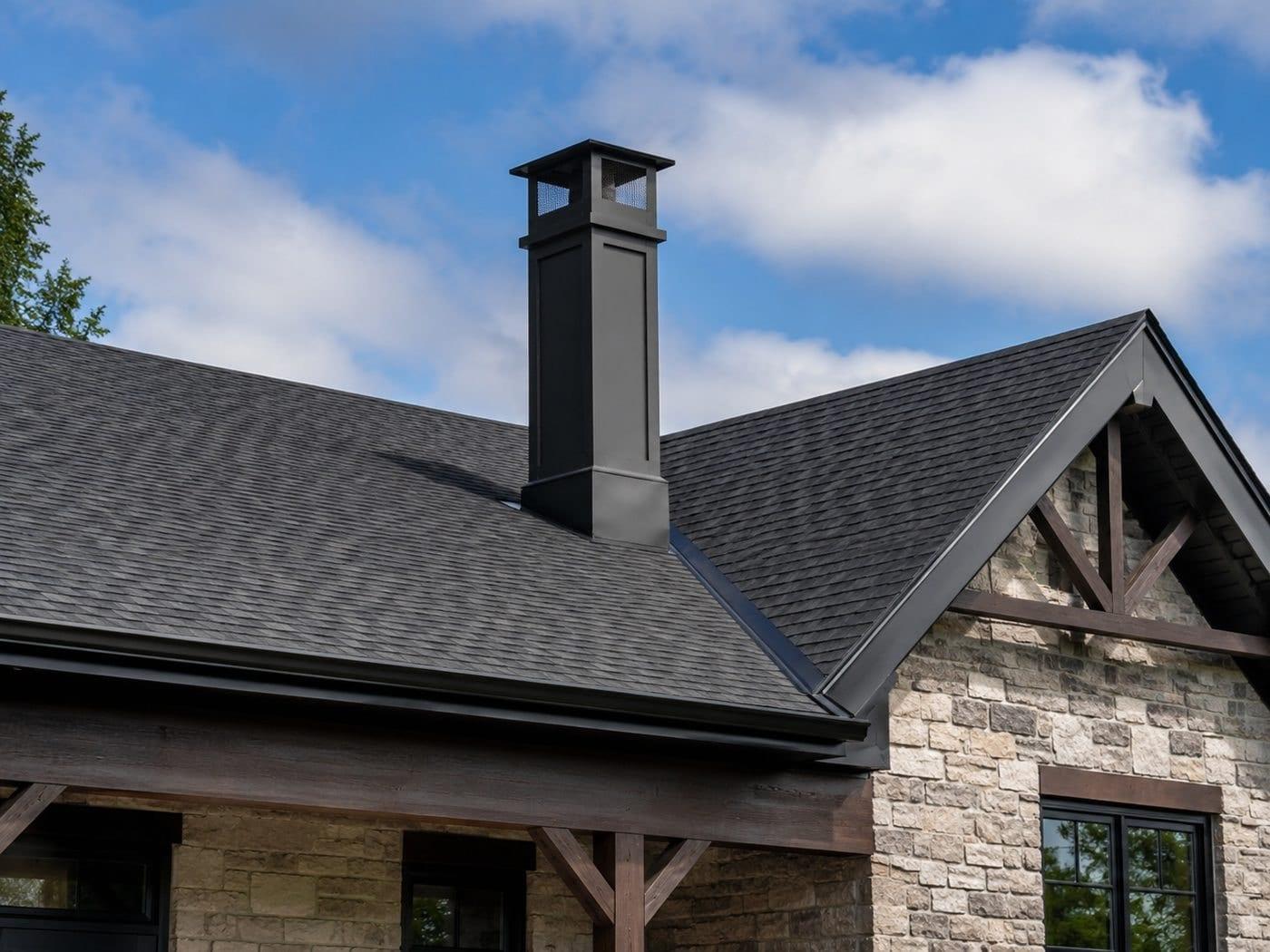
A metal chimney, also called a factory-built or prefab chimney, is a set of stainless steel sections that lock together. Each section is insulated or air-cooled. Together they carry smoke and combustion gases from the appliance to a point above the roof. A masonry chimney is built on site from brick and mortar. A metal system is made of parts designed to work together, so most of the job is choosing the right system for the appliance and assembling it exactly the way the manufacturer specifies.
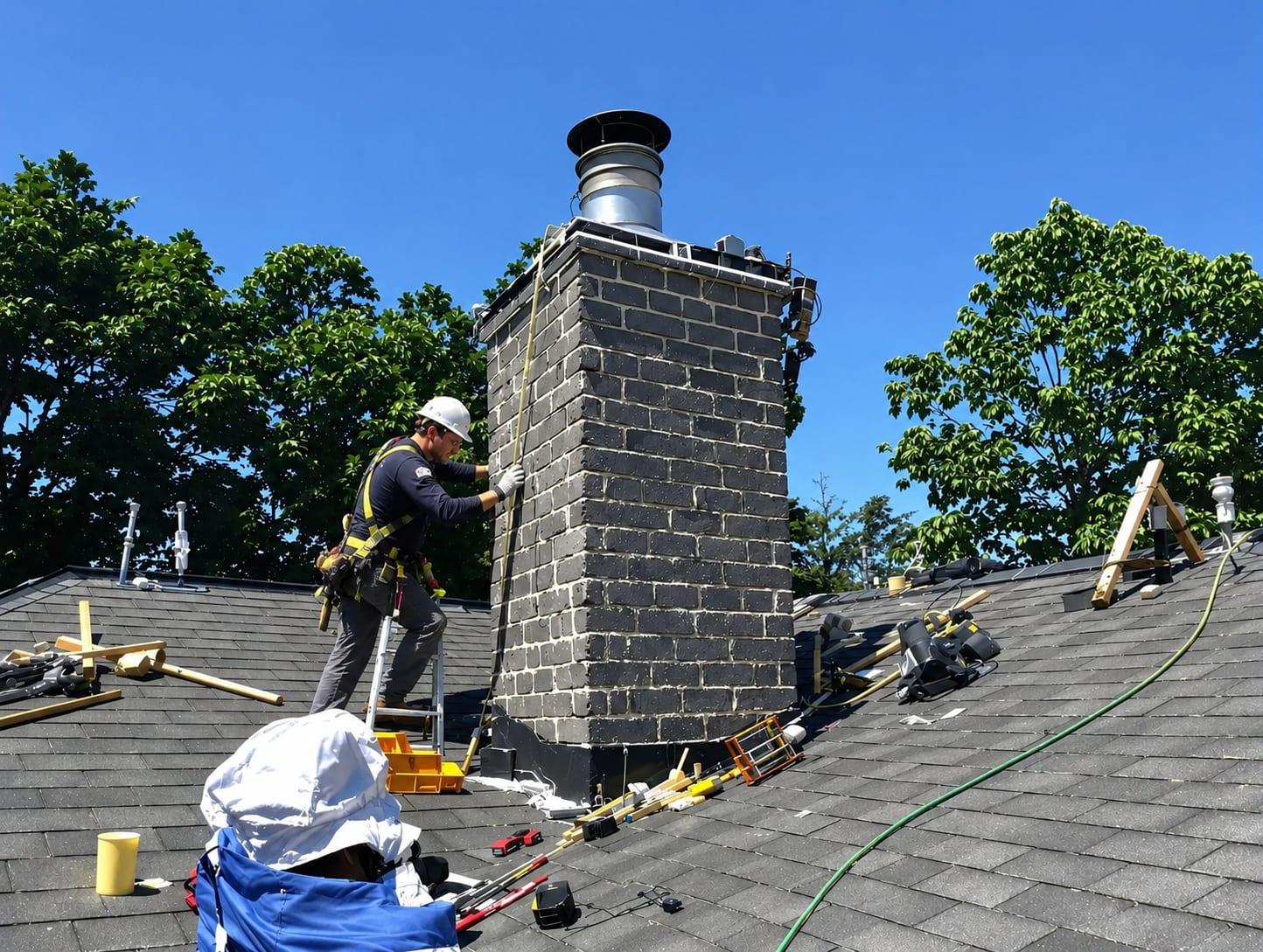
The installation covers the whole run. That includes the connection at the appliance, every pass through a ceiling, attic or wall, the roof penetration and the cap on top. If you're still deciding between metal and masonry, our chimney installation service covers the wider range of options.
When a home needs a metal chimney
- Adding a wood stove or fireplace where there's no chimney. A metal system can run up through the house or along an outside wall, and it doesn't need the heavy footing a masonry chimney requires.
- An existing prefab chimney is wearing out. Signs include rust streaks, split seams, dented or separated sections, and pipe that looks bowed or warped.
- Damage after a chimney fire. Discolored, bulged or buckled sections mean the system should come out of service until it's checked.
- The wrong pipe was used. Single-wall stovepipe running through a ceiling, wall or roof is a common problem, and so is chimney pipe that isn't rated for the appliance it serves.
- Mixed or missing parts. Watch for sections from different systems joined together, missing firestops or attic shields, or no cap at all.
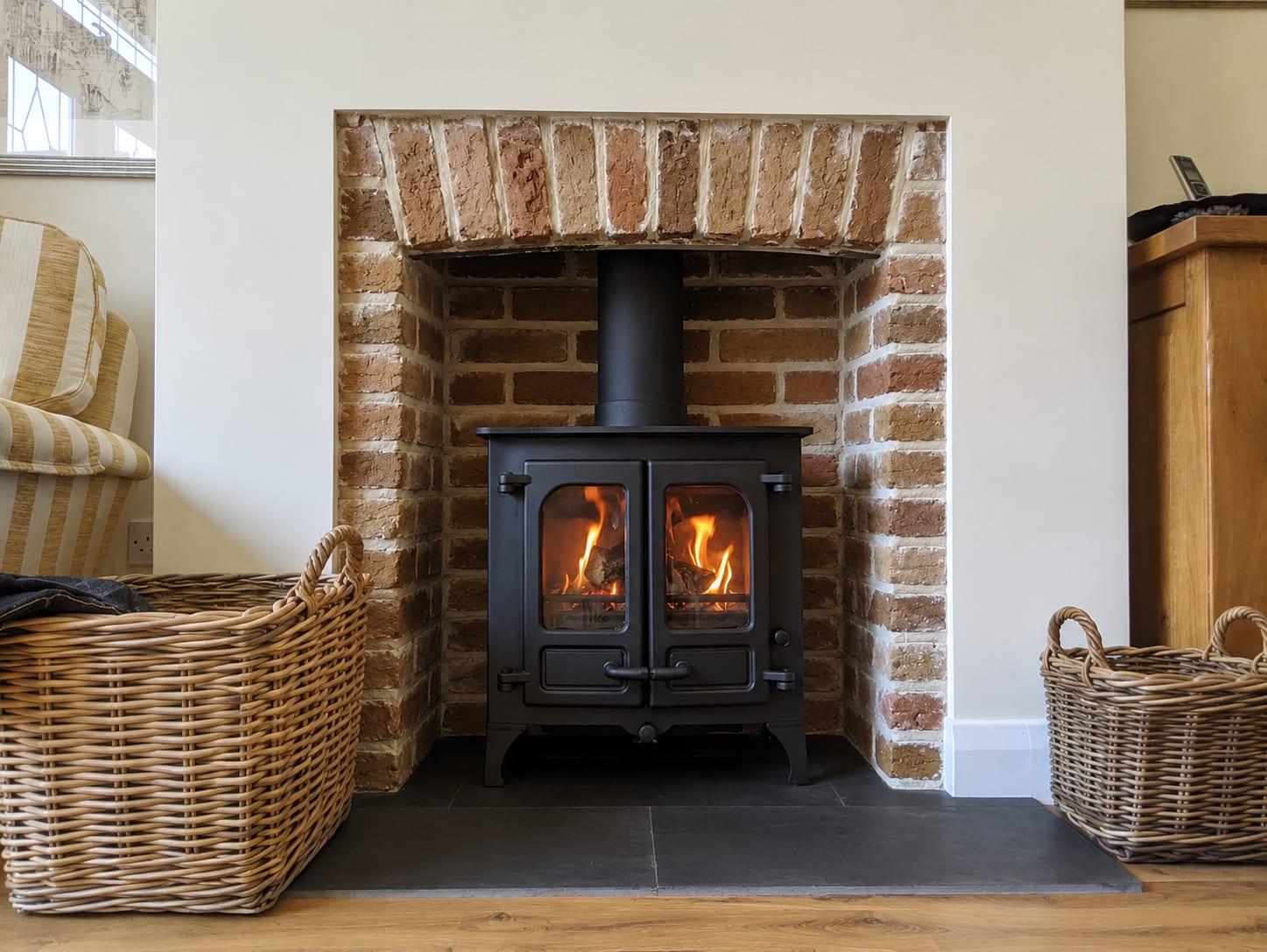
- A new appliance is going in. A replacement stove or insert may need a different flue size or a different type of chimney than the old one used.
If the problem is a crumbling brick chimney rather than a metal one, a chimney rebuild may make more sense than switching to metal.
How the installation visit goes
Look at the appliance and the house
We check the stove, insert or fireplace, the flue size it calls for, and where a chimney can realistically run.
Plan the route
We choose between an interior run and an exterior run, keep offsets to a minimum, and measure the height so the top clears the roof properly. We also mark the clearances needed around framing and insulation.
Prepare openings and supports
We cut and frame the openings, then set the ceiling or wall support that carries the chimney's weight. Firestops and attic insulation shields go in wherever the pipe passes through.
Assemble the run
Sections are locked together one at a time. Any offsets are strapped, and the required air space around the pipe is kept the whole way up.
Seal the roof
Flashing and a storm collar keep water out at the roof penetration. An exterior chase gets a properly fitted chase cover.
Cap it and check the work
The cap goes on, and every joint, support and clearance is checked. If the appliance is ready to fire, we check the draft. We finish by walking you through day-to-day care.
Parts of a metal chimney system
| Component | What it does |
|---|---|
| Chimney pipe sections | Insulated or air-cooled stainless sections that carry exhaust up and out |
| Ceiling or wall support | Holds the weight of the chimney and anchors the run |
| Firestop | Keeps heat away from framing where the pipe passes through a ceiling or floor |
| Attic insulation shield | Keeps insulation from touching the pipe in the attic |
| Roof flashing and storm collar | Seal the roof opening against rain |
| Chase cover | Tops a framed chase and sheds water away from the flue |
| Cap | Keeps out rain, debris and animals |
The cap and chase cover take the most weather, so they're worth choosing carefully. A buyer's guide to chimney caps explains the main styles. Our chimney cap installation work covers adding or upgrading a cap on its own. For framed exterior chases, our article on chase cover warning signs and fixes explains what to watch for over time.
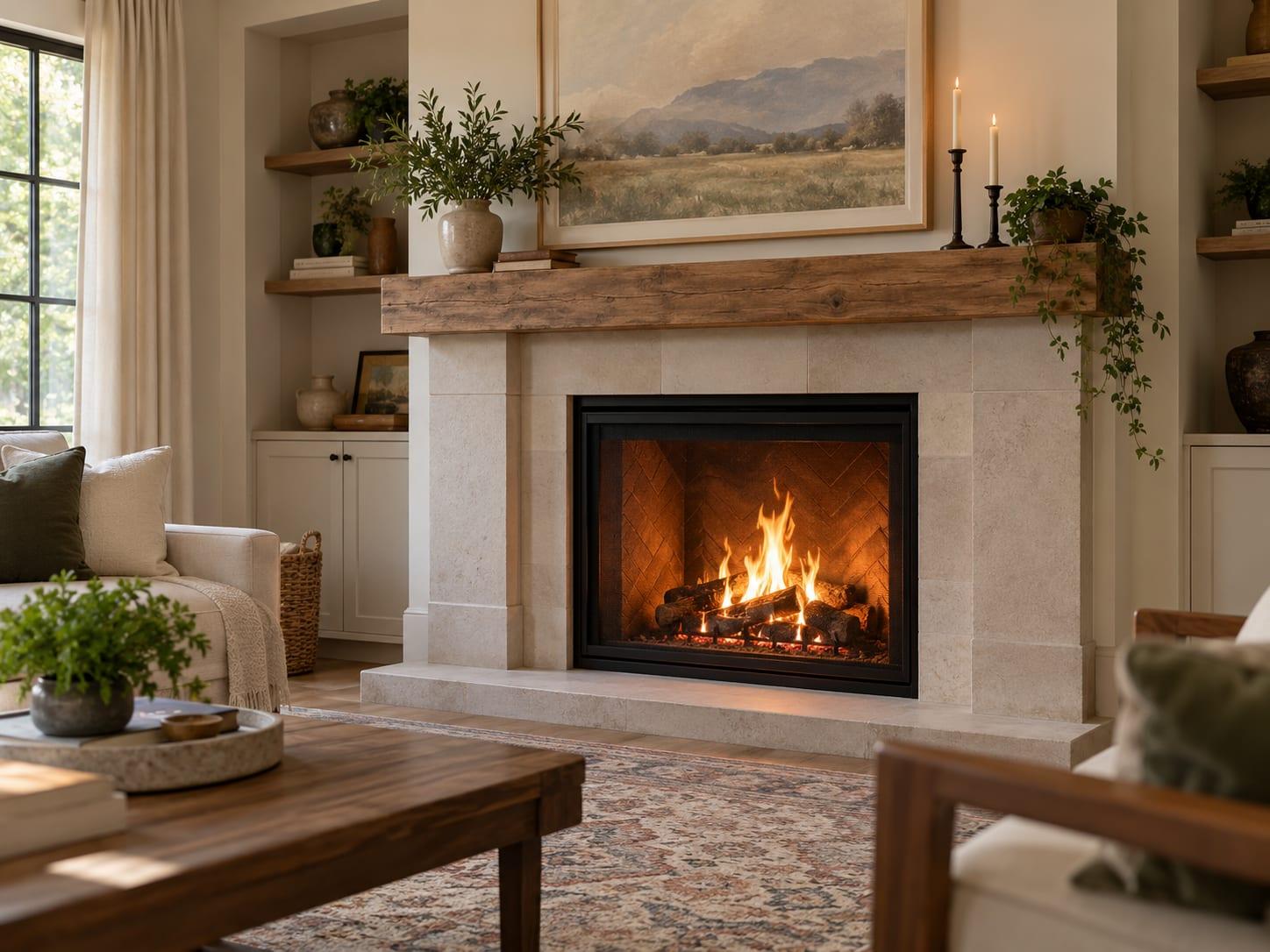
Gas appliances use their own venting, which is different from solid-fuel chimney pipe. Gas fireplace and gas appliance work is offered, so the vent can be matched to the gas unit it serves. We work on all major brands of stoves, inserts and factory-built fireplaces.
Keeping a metal chimney safe
Stovepipe is not a chimney
Single-wall stovepipe is only for the short connection between the appliance and the chimney. It should never pass through a ceiling, wall or roof. If yours does, stop using the appliance until the setup is corrected.
A metal chimney stays safe when its clearances are kept and its parts all come from the same system. Don't store anything against a chase or pack insulation around the pipe in the attic. Plan on a yearly inspection and cleaning, especially with a wood stove, because creosote builds up inside the flue. Factory-built fireplaces have dampers that wear too. If yours sticks or leaks air, our guide to damper problems, their signs and causes can help you narrow it down.
Getting started
Call or request an estimate and tell us what appliance you're installing or what you've noticed about the current chimney. Commercial and property-manager work is offered too, so rentals and business properties are covered.