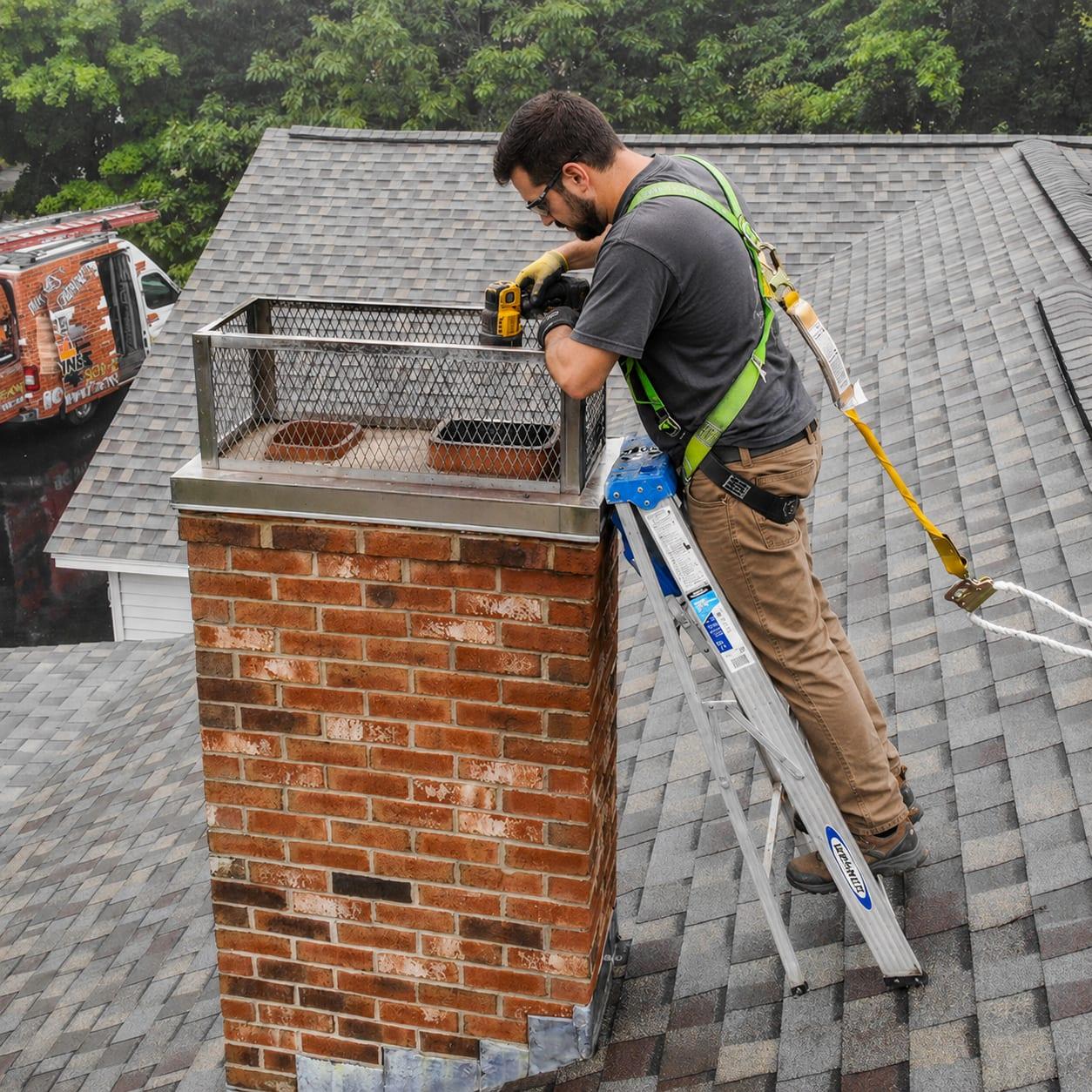
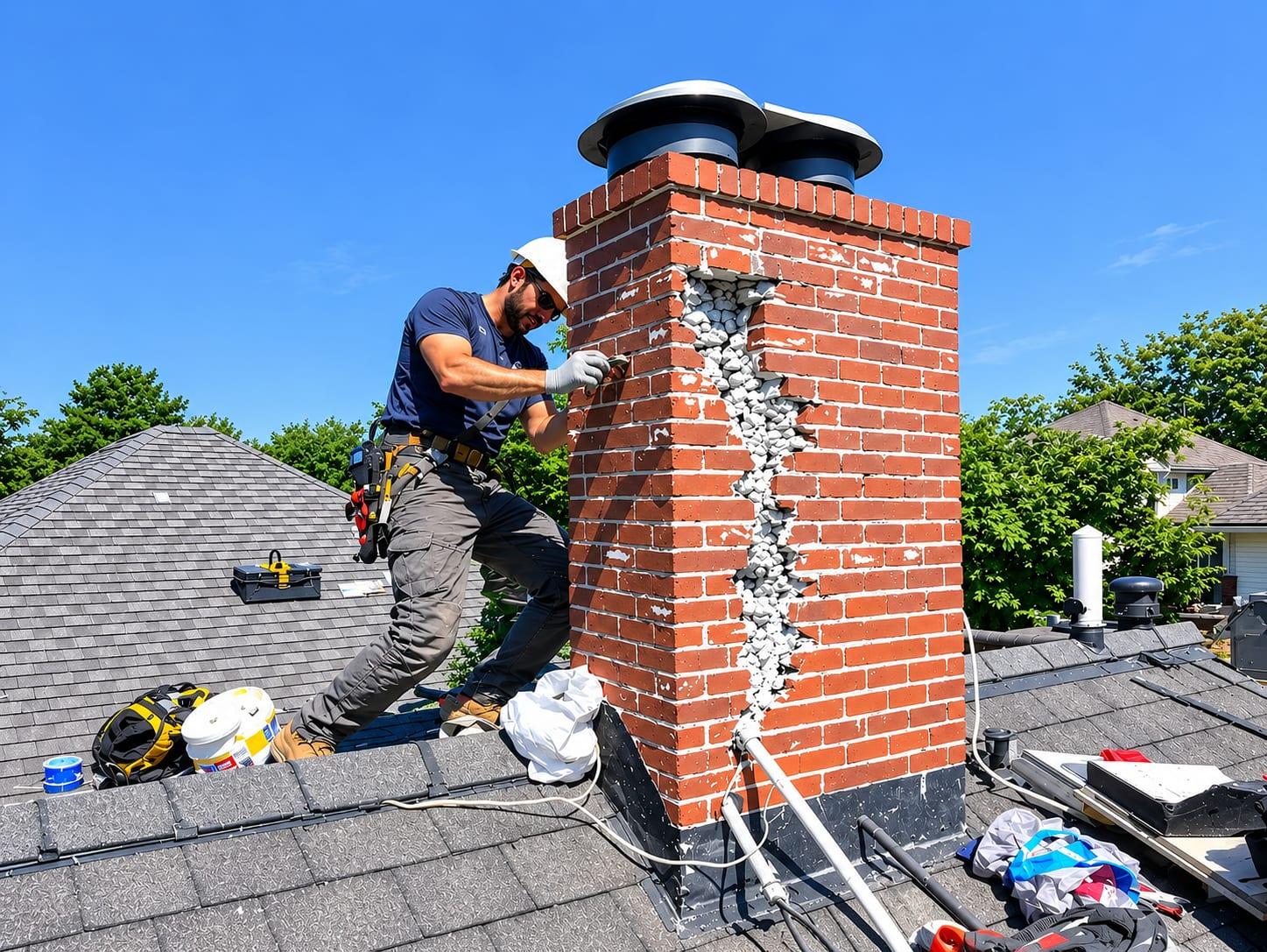
What Sugar Hill homes can book
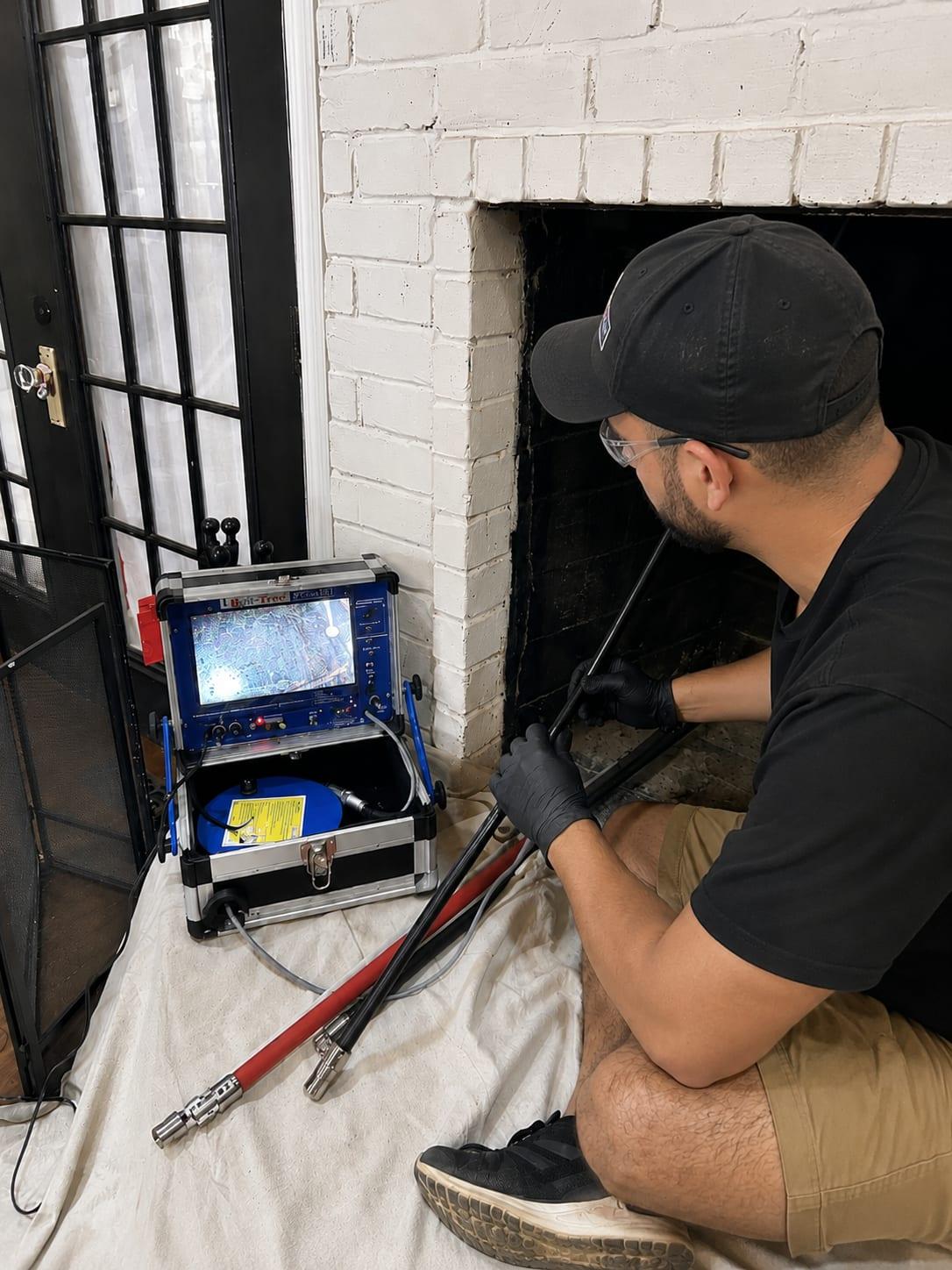
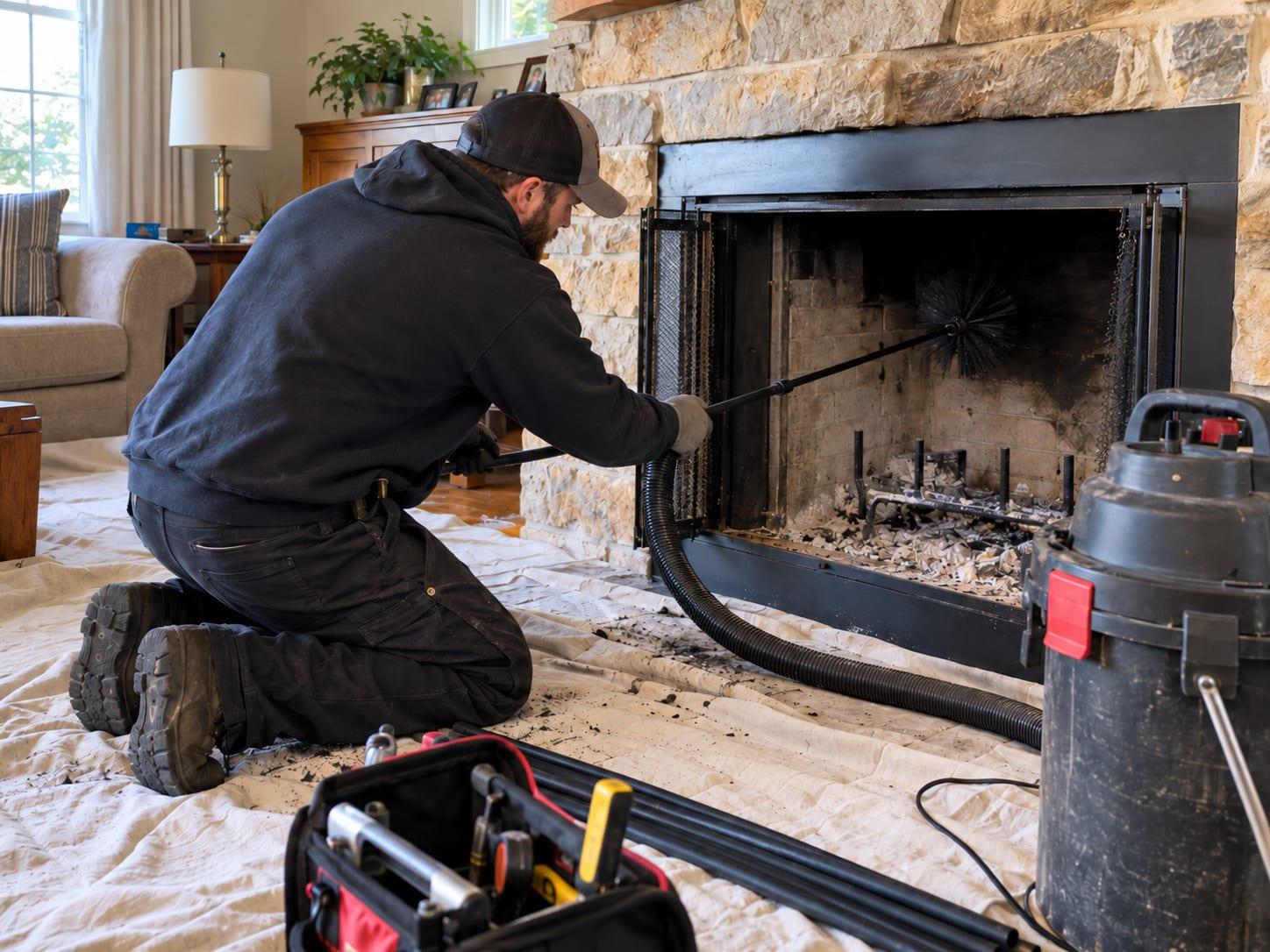
Most visits start with one of three needs. The first is keeping a fireplace safe to use, which usually means a chimney sweep service to clear soot and creosote. The second is finding out what condition the system is in before a sale, after a storm or when something smells or drafts wrong. The third is fixing what is already failing, such as leaks, cracked masonry, a stuck damper or a worn liner.
Beyond the chimney itself, the work extends to wood-burning and gas fireplaces, inserts and wood stoves, and to dryer vents, from lint removal to rerouting a run that is too long. Gas fireplace and gas appliance work is offered.
What the Census says about Sugar Hill housing
About 4% of the housing units in Sugar Hill were built before 1960, according to the U.S. Census Bureau, American Community Survey 2019–2023 5-year estimates, table B25034 (Year Structure Built). Put another way, roughly 96 of every 100 homes were built in 1960 or later.
If your home is one of the older ones
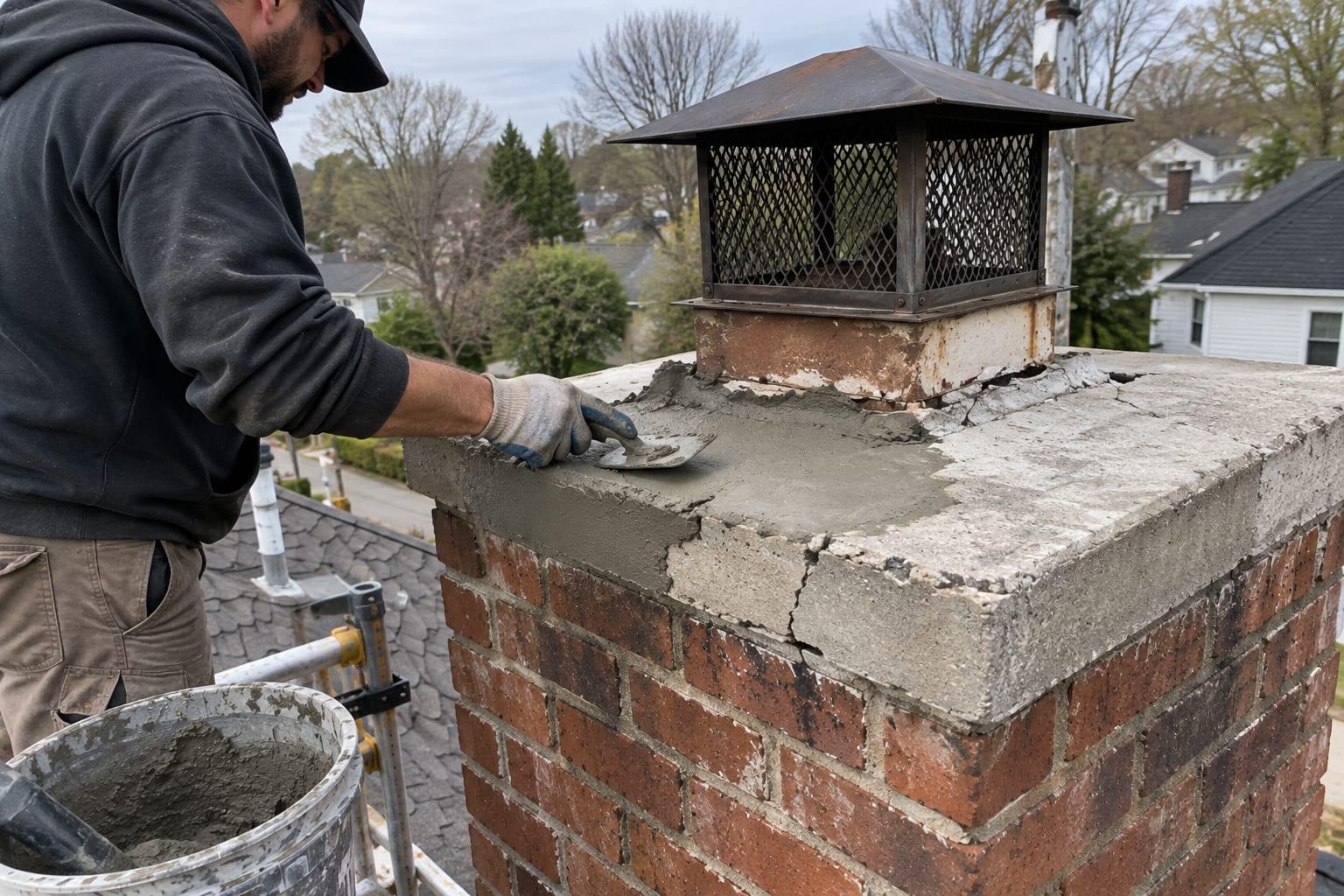
Masonry chimneys that have stood for decades are where mortar joints, crowns and clay flue tiles tend to show wear, often without anything visible from the living room. A chimney inspection shows whether the flue and masonry are sound before you light a fire. If it turns up damage, how chimney repair works explains the next step, whether that's tuckpointing, crown work or a new liner.
If your home is one of the newer ones
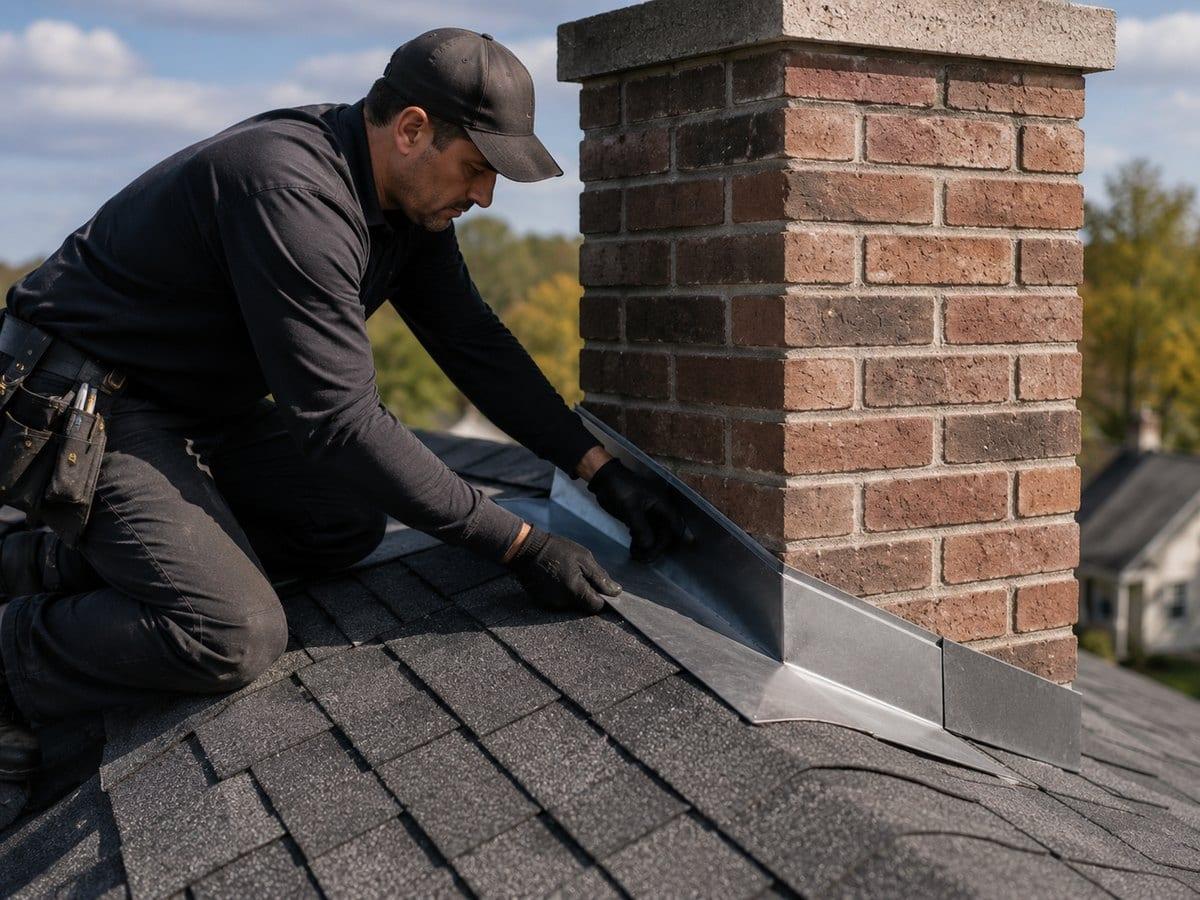
A newer house is not a maintenance-free one. Creosote builds up in any flue that burns wood, gas fireplaces still need their logs, venting and glass looked after, and dryer vents collect lint no matter when the house was built. Chimney caps, chase covers and dampers wear out on their own schedule as well.
Sources (1)
Facts and figures on this page come from these references.
- 1U.S. Census Bureau, American Community Survey 2019–2023 5-year estimates, table B25034 (Year Structure Built)