Chimney services Senoia homeowners can book
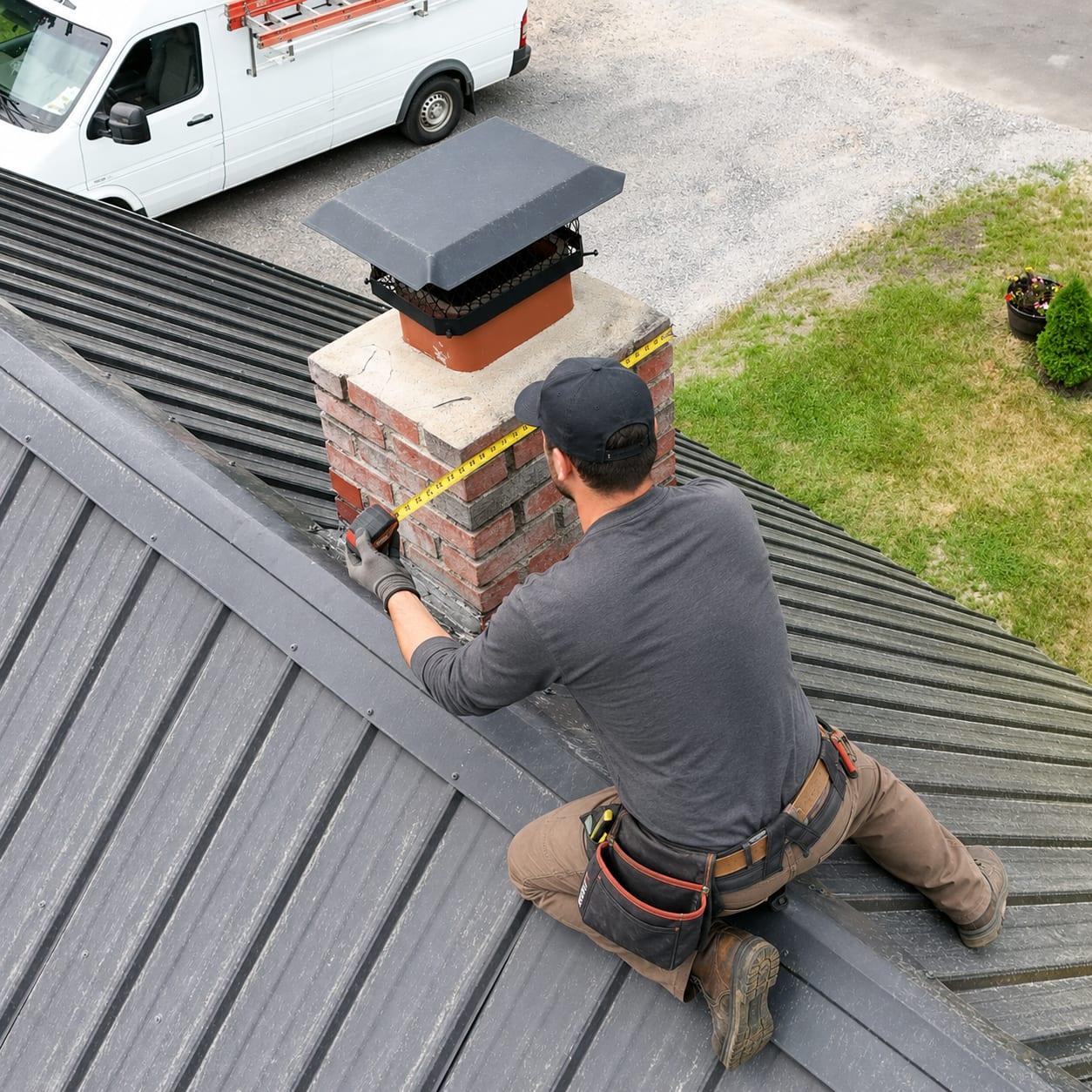
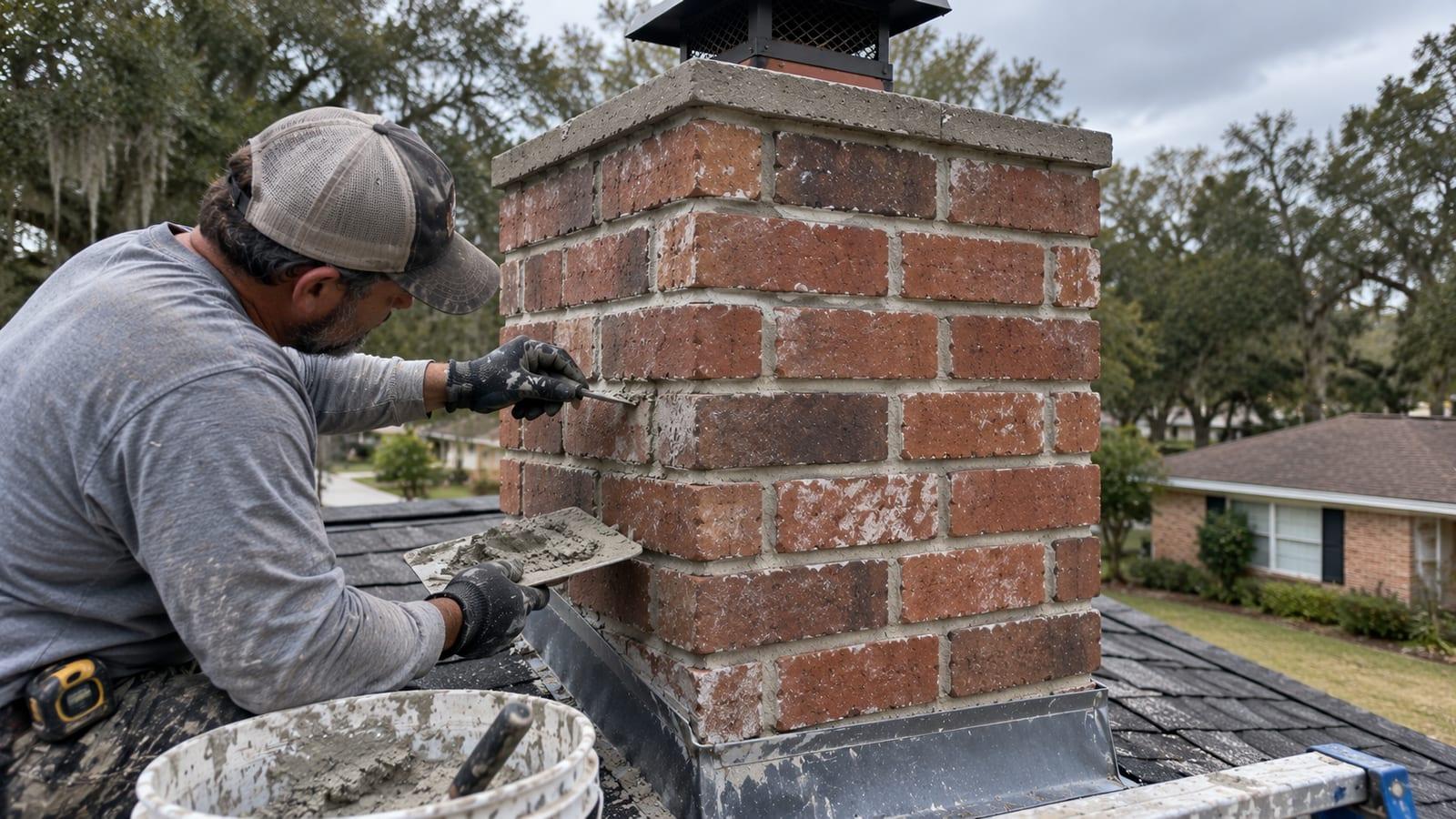
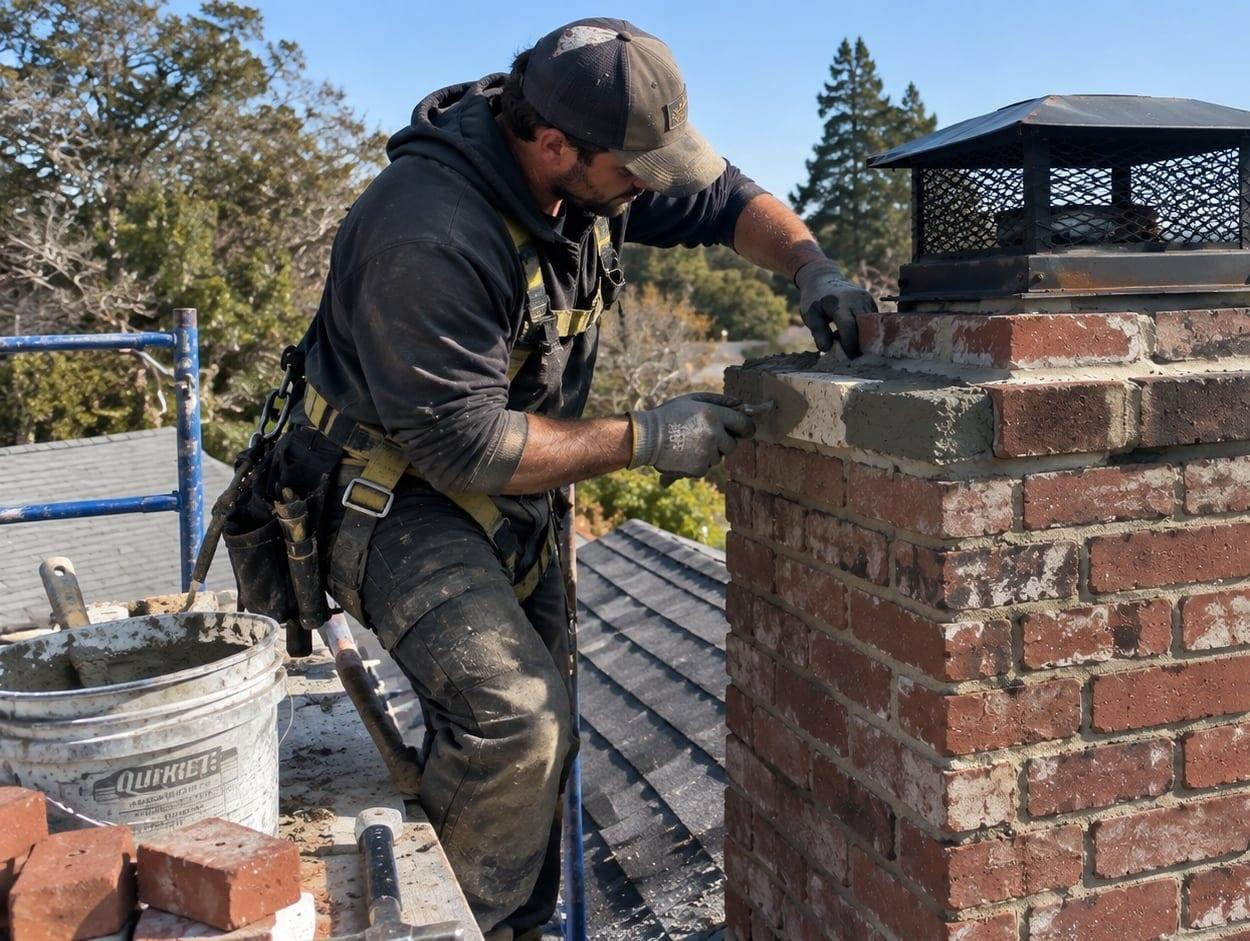
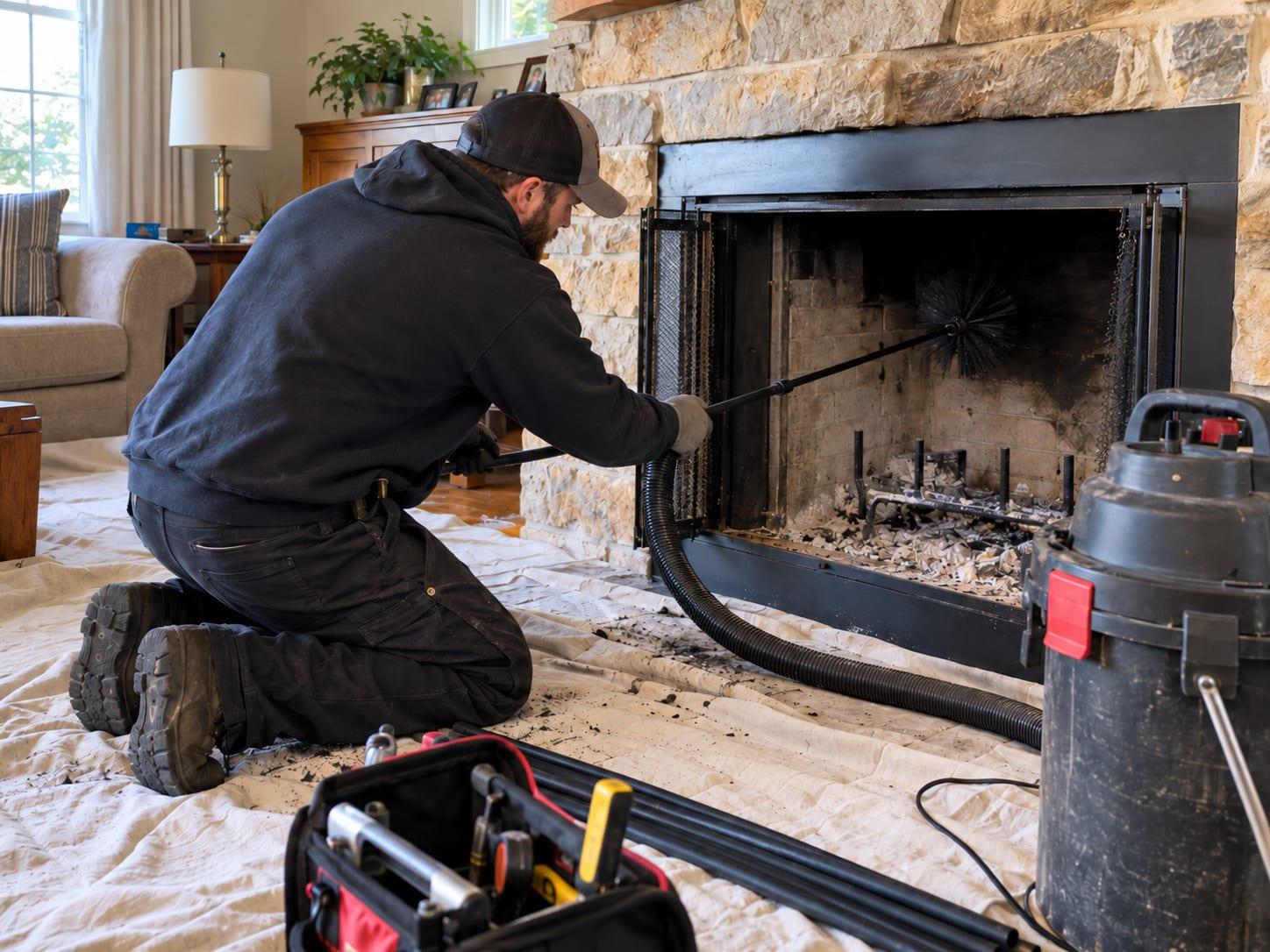
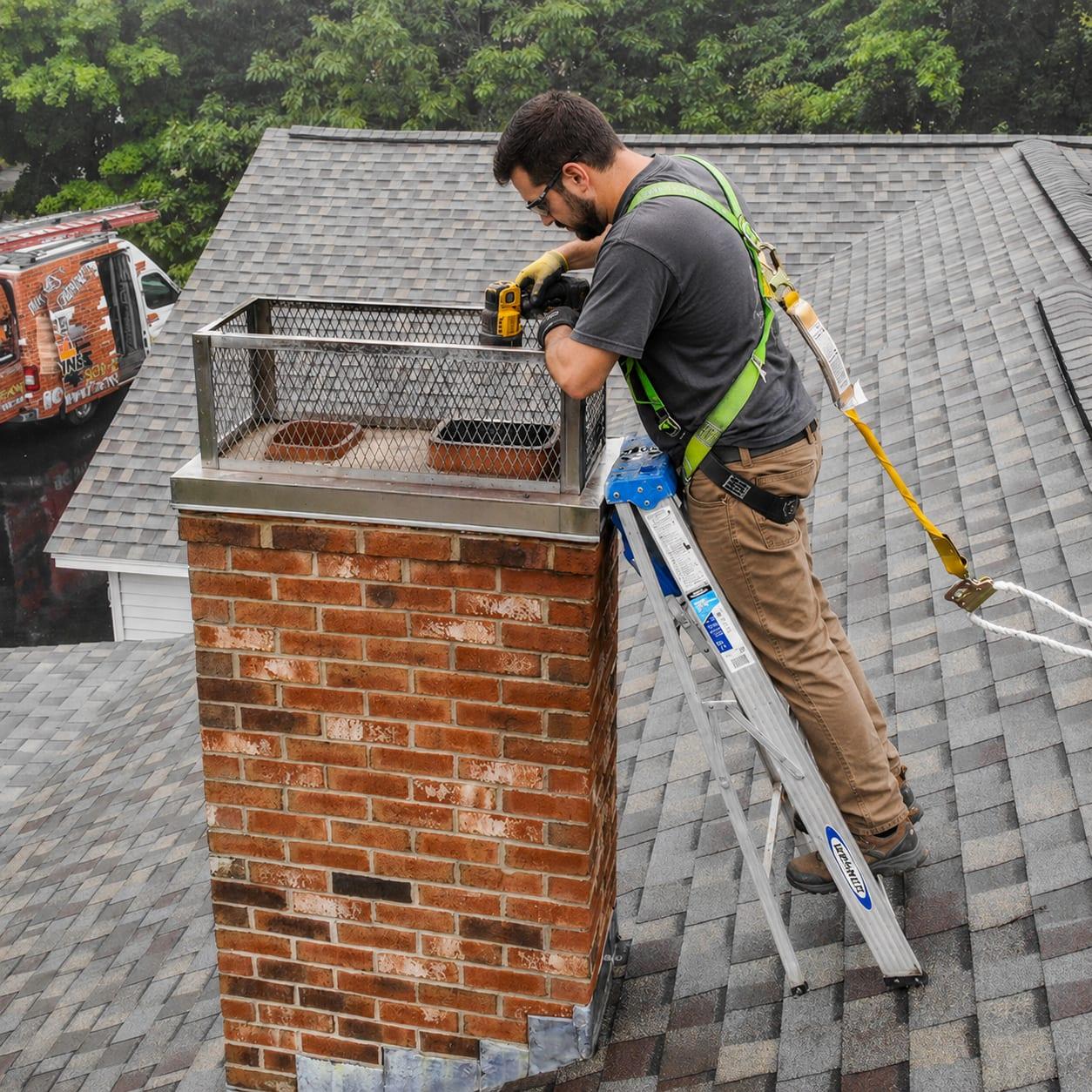
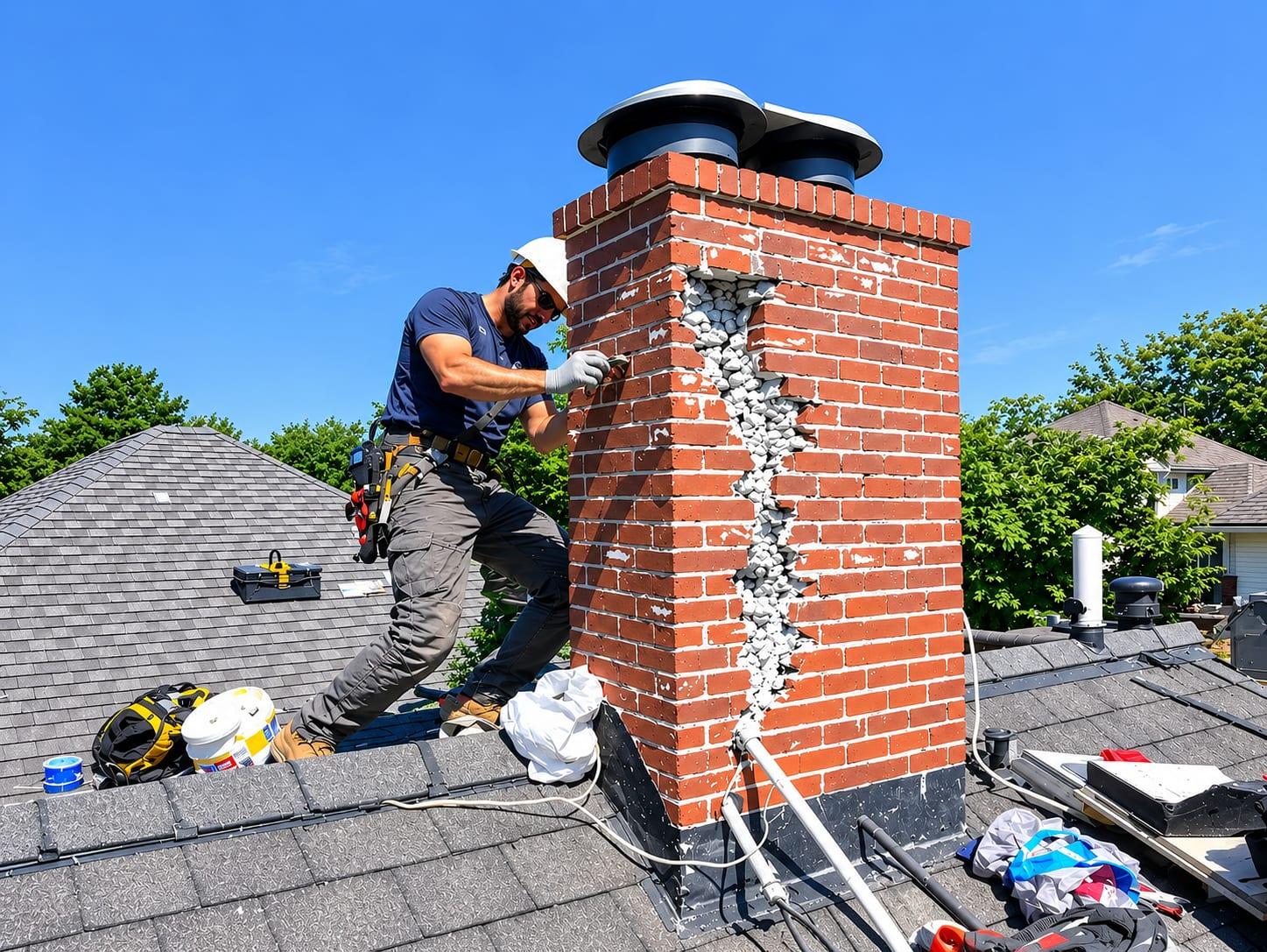
Most visits start with one of three needs: a fireplace that hasn't been cleaned in a while, a question about whether the chimney is safe to use, or a visible problem like a leak, loose brick or a stuck damper. For the first, our chimney sweep service removes soot and creosote and clears blockages such as nests. For the second, a chimney inspection looks at the flue, liner, crown and cap and tells you what, if anything, needs attention. For the third, chimney repair work covers everything from flashing and crown fixes to liner installation and rebuilding damaged masonry.
Beyond the chimney itself, we clean and repair wood-burning and gas fireplaces, inserts and wood stoves, and we clean, test and reroute dryer vents.
What Senoia's housing age means for your chimney
About 5% of the housing units in Senoia were built before 1960, and about 5% in 1939 or earlier (U.S. Census Bureau, American Community Survey 2019–2023 5-year estimates, table B25034, Year Structure Built). Put the other way, the large majority of homes in town were built in 1960 or later.
If your home is one of the older ones
In general, masonry chimneys built several decades ago may have been put up without a flue liner, or with clay tiles that have cracked over time. Mortar joints wear, crowns break down and old dampers rust. None of that is visible from the living room, which is why a first inspection makes sense before relighting a fireplace that has sat unused or before buying an older house.
Worth noting before a visit to an older home
- The approximate year the house was built, if you know it
- When the fireplace was last used or cleaned
- Any water stains on the ceiling or wall near the chimney
- Smoke coming back into the room, or a strong odor in humid weather
- Bricks, mortar or crown pieces found on the roof or ground
If your home is newer
Newer doesn't mean maintenance-free. Many homes built in recent decades use factory-built fireplaces with metal flues and a chase on the roof, and those systems have their own weak points: rusting chase covers, leaking seams, worn refractory panels and gas fireplace components that need periodic service. Creosote also builds up in any flue that burns wood, whatever the age of the house.
Sources (1)
Facts and figures on this page come from these references.
- 1U.S. Census Bureau, American Community Survey 2019–2023 5-year estimates, table B25034 (Year Structure Built)