Chimney, fireplace and dryer vent work in Porterdale
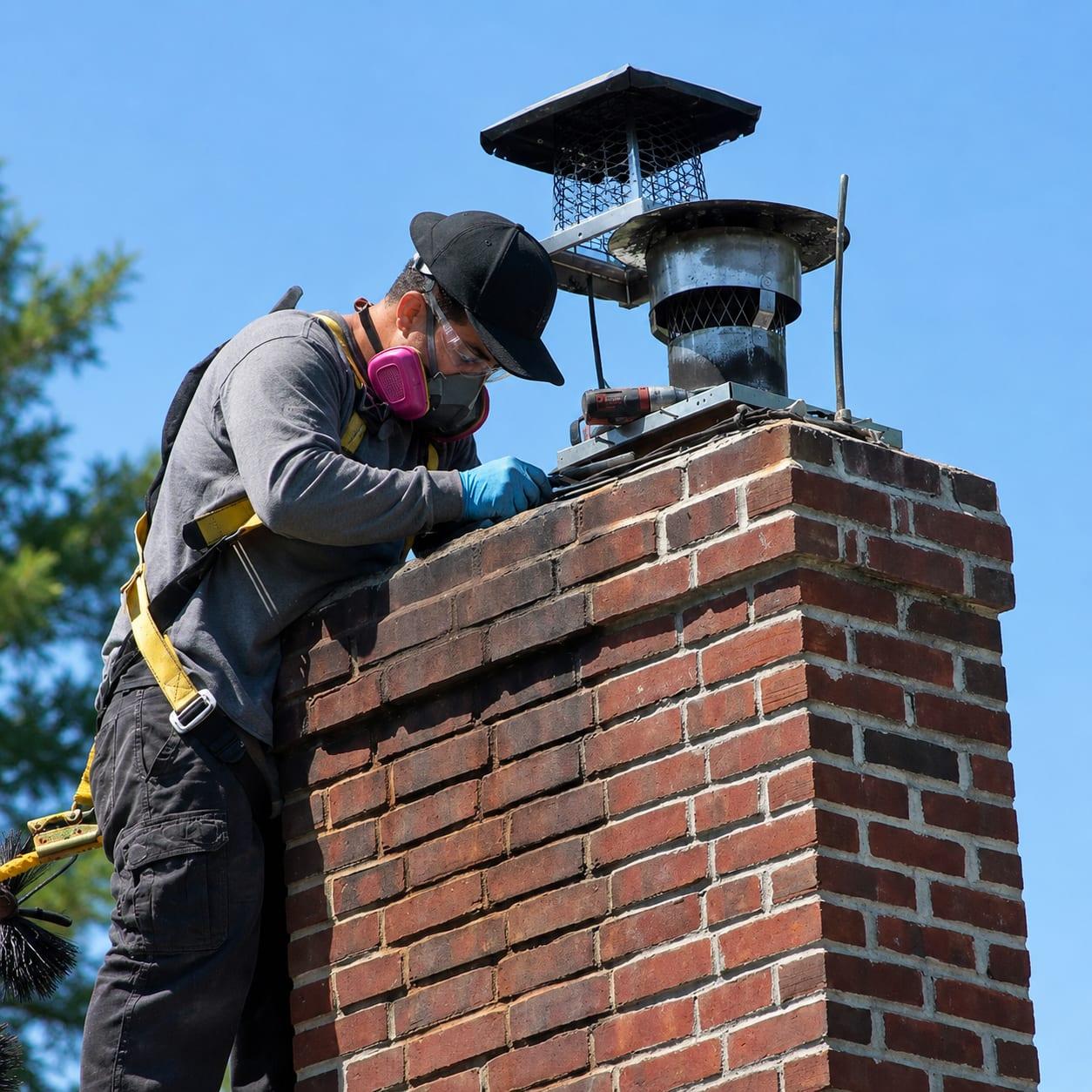
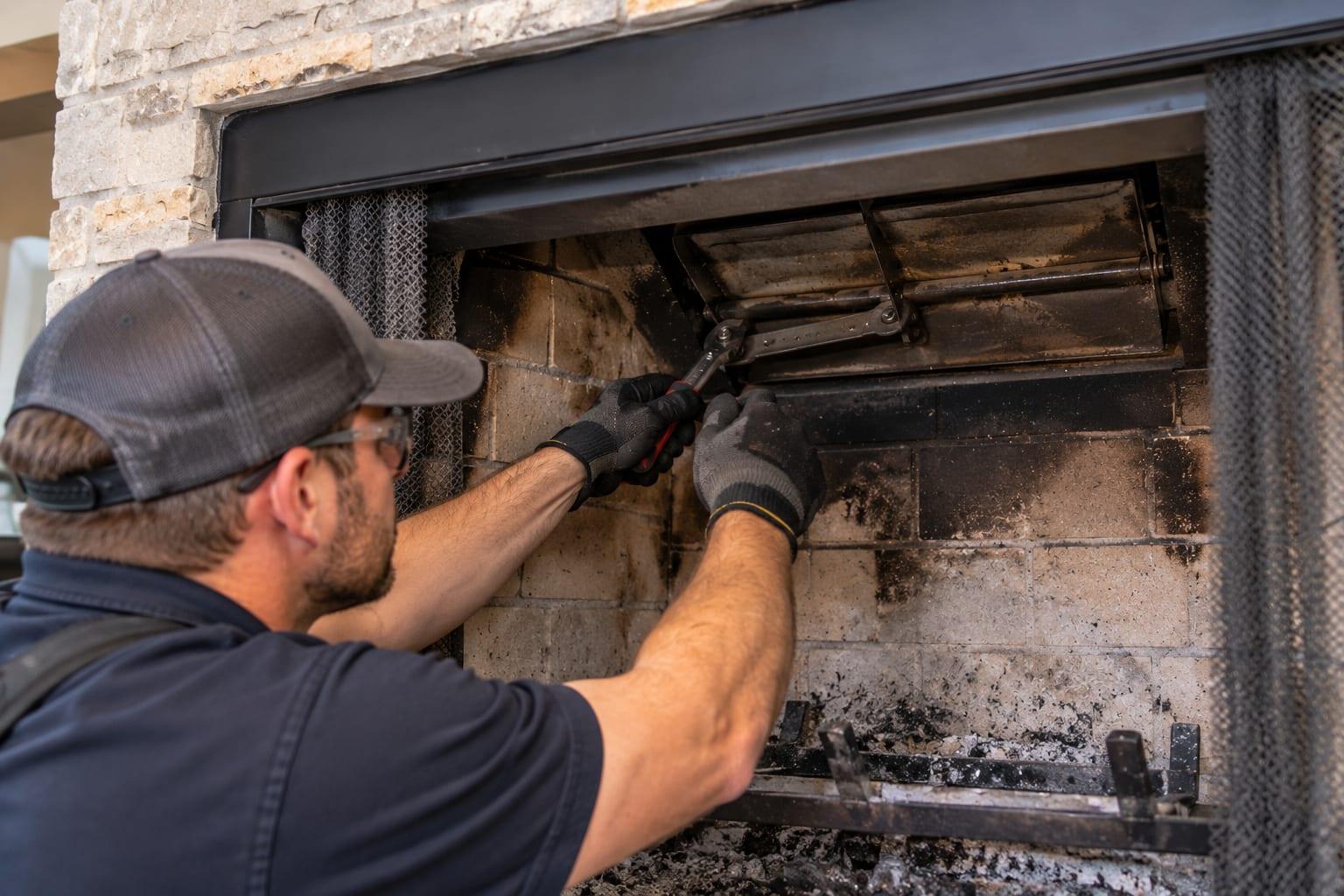
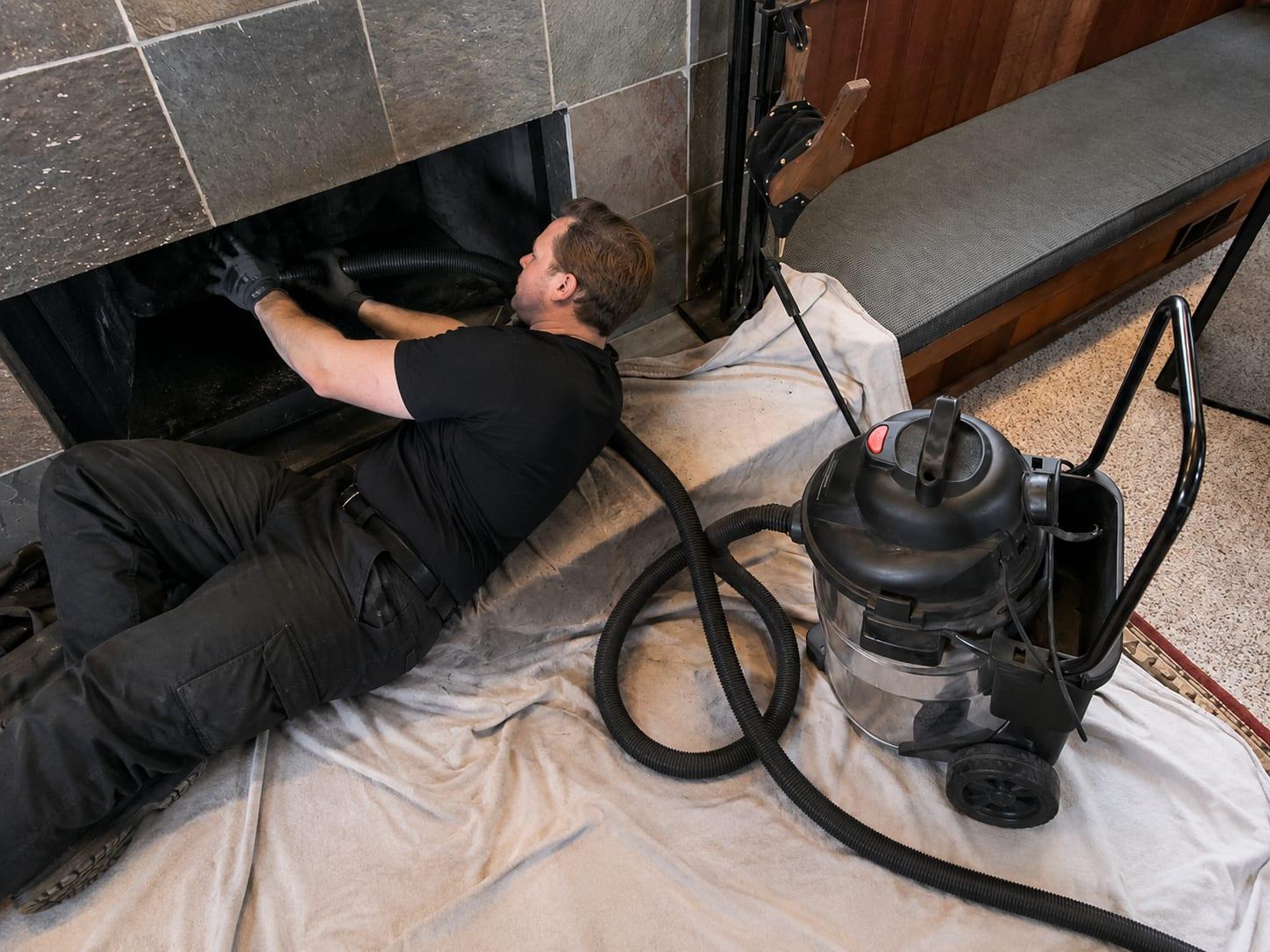
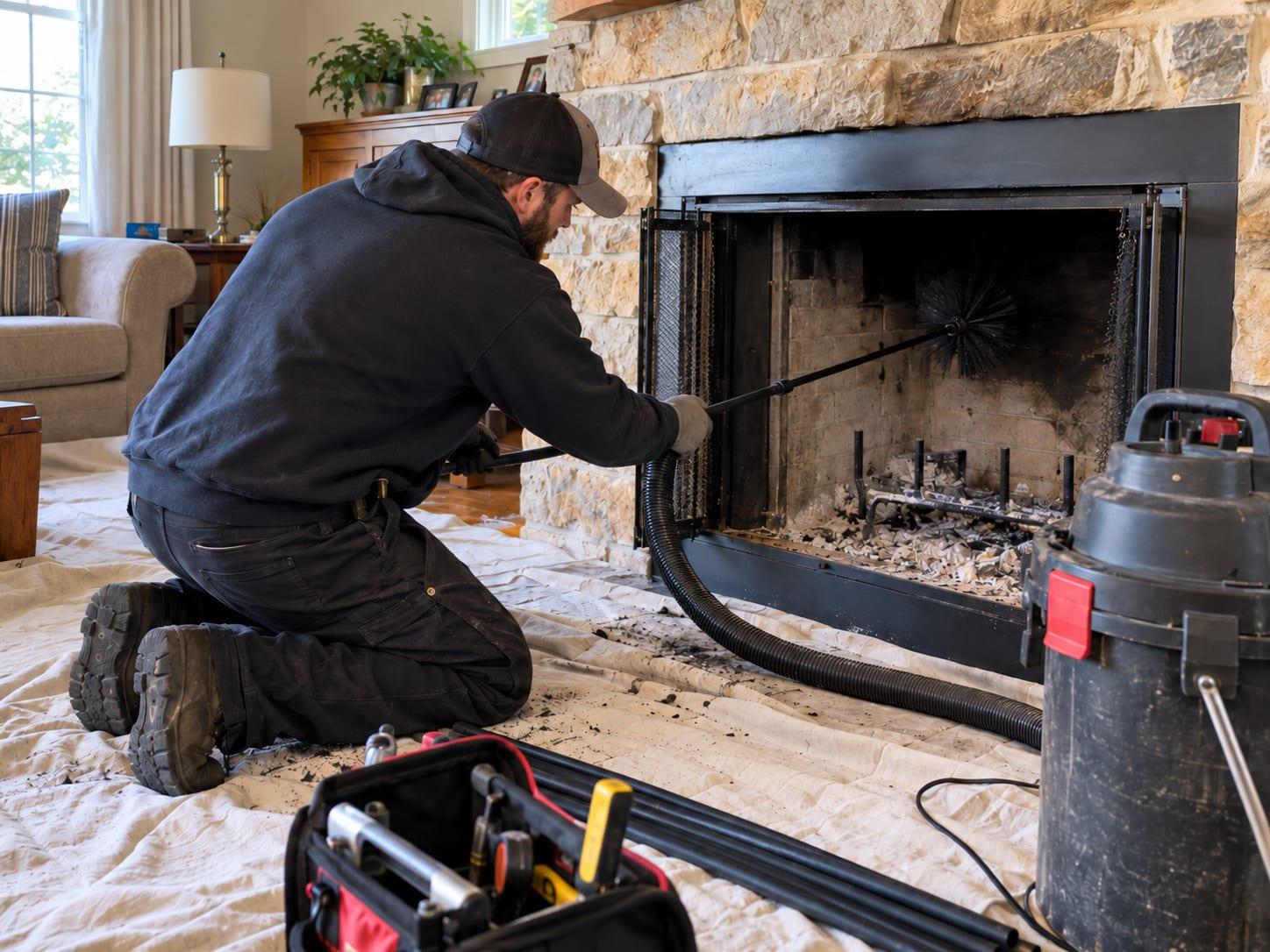
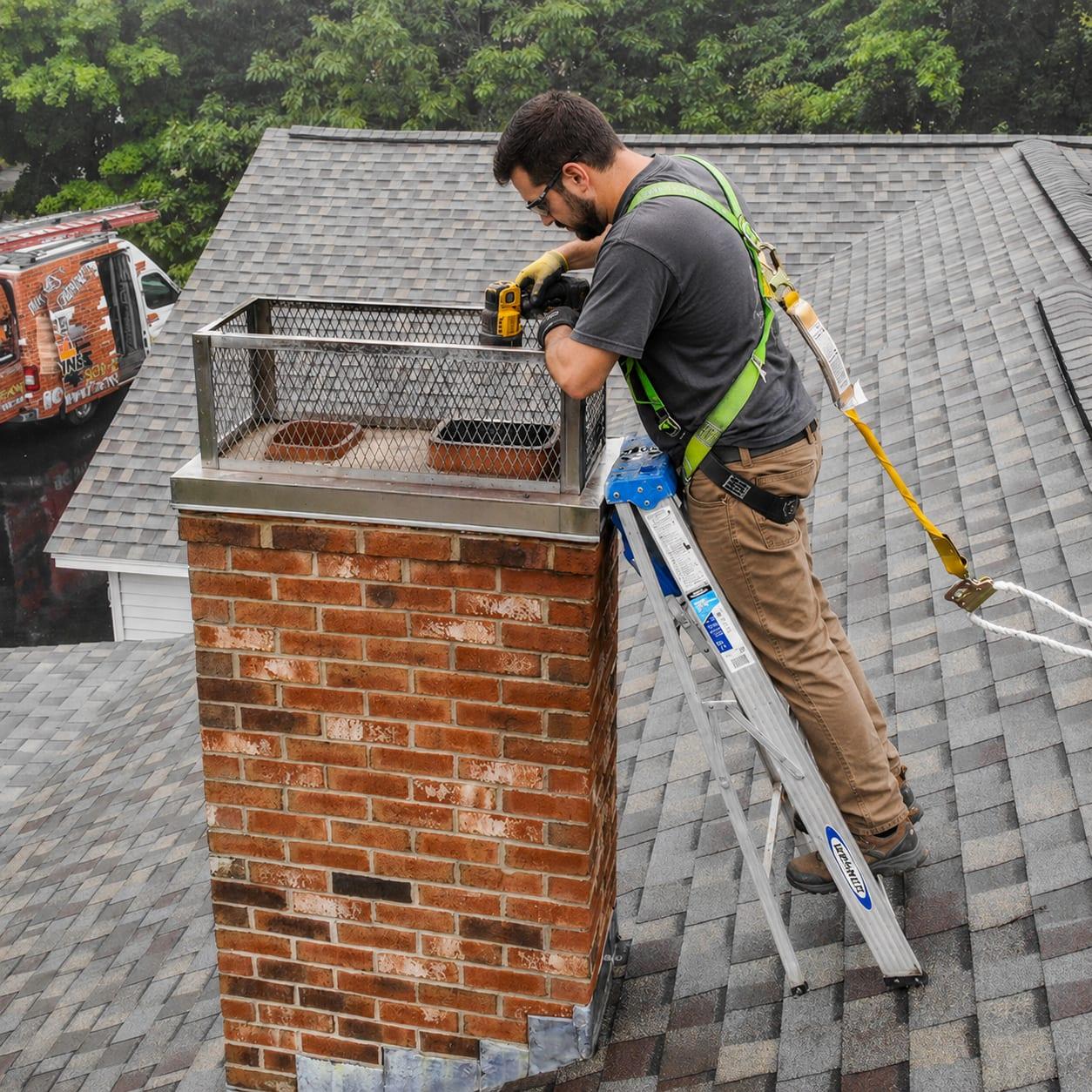
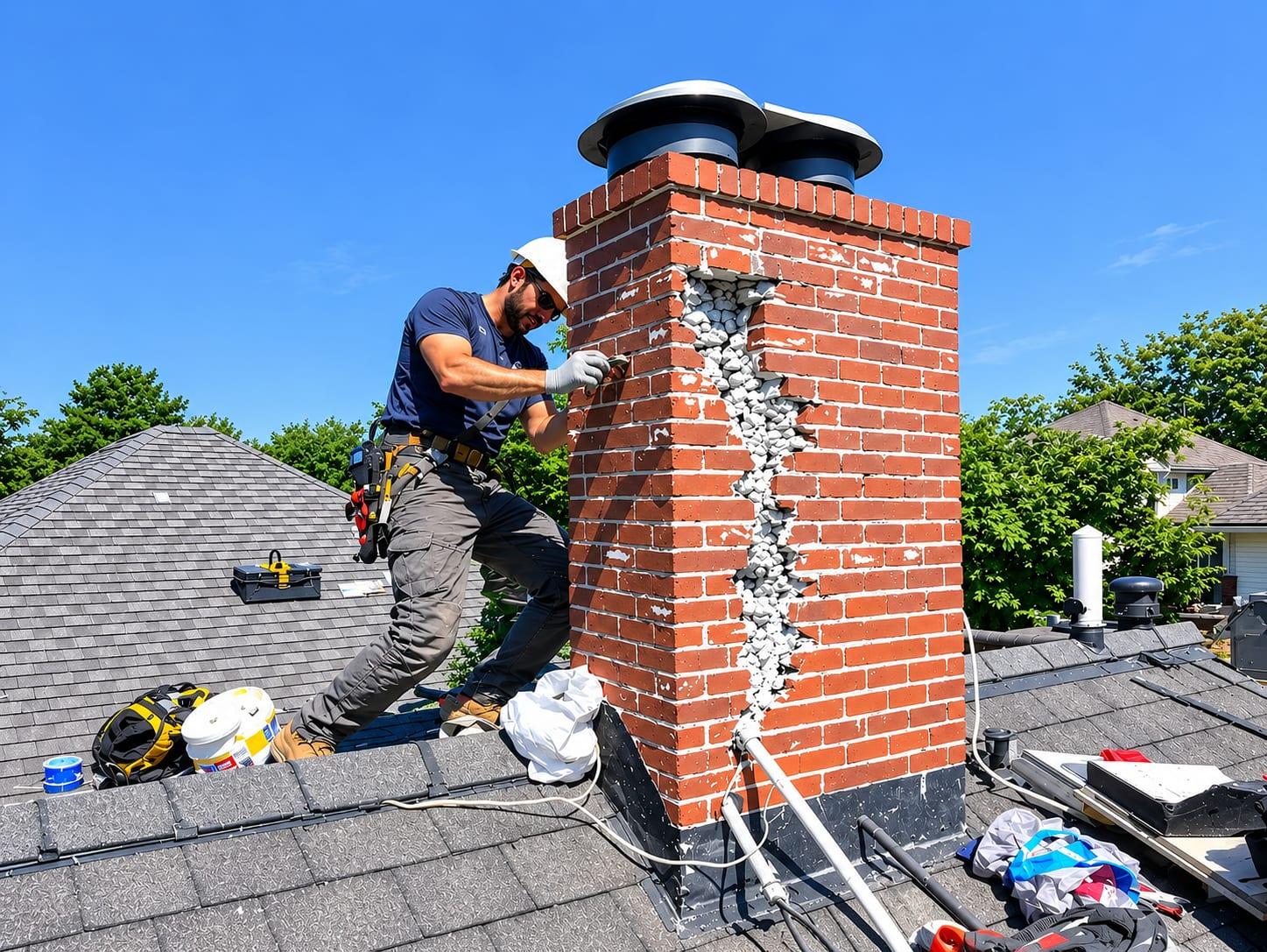
Porterdale homeowners can book the full range of work we do. That includes a routine chimney sweep and flue cleaning, creosote and nest removal, a camera-assisted chimney inspection, and crown, flashing, liner and masonry fixes through our chimney repair service. We also service wood-burning and gas fireplaces, inserts and wood stoves, and we clean, test and reroute dryer vents.
What the age of local housing means for chimney work
According to the U.S. Census Bureau's American Community Survey 2019–2023 5-year estimates (table B25034, Year Structure Built), about 76% of the housing units in Porterdale were built before 1960, and about 70% in 1939 or earlier. In plain terms, most houses here are old enough that their chimneys have been through many decades of fires, weather and changes in how the home is heated.
That doesn't mean any one chimney has a problem. It does mean a few issues are worth checking for in a house of that age:
- Mortar and brick wear. Joints in older masonry erode over time, and loose or missing mortar lets water into the chimney.
- Liner condition. Chimneys from that era were often built with clay tile liners or none at all. Cracked or missing liners matter more when a fireplace or stove is put back into regular use.
- Crown and flashing. The concrete cap on top of the chimney and the metal seal where it meets the roof are common entry points for leaks on older homes.
- Long-unused fireplaces. A fireplace that has sat idle for years may have nests, debris or a damper that no longer opens and closes properly.
- Changes made over time. Gas logs, inserts or a newer furnace connected to an old flue should be checked to make sure the flue suits the appliance using it.
- Dryer vents added later. In houses built before modern laundry rooms, vents were often fitted afterward, sometimes with long or awkward runs that collect lint faster.
A sensible first step for an older chimney
If you don't know when your chimney was last cleaned or checked, start with an inspection before the first fire of the season. It tells you what condition the flue, liner and masonry are in, so any repair is based on what's actually there.
Sources (1)
Facts and figures on this page come from these references.
- 1U.S. Census Bureau, American Community Survey 2019–2023 5-year estimates, table B25034 (Year Structure Built)