Chimney services Pine Lake homes can book
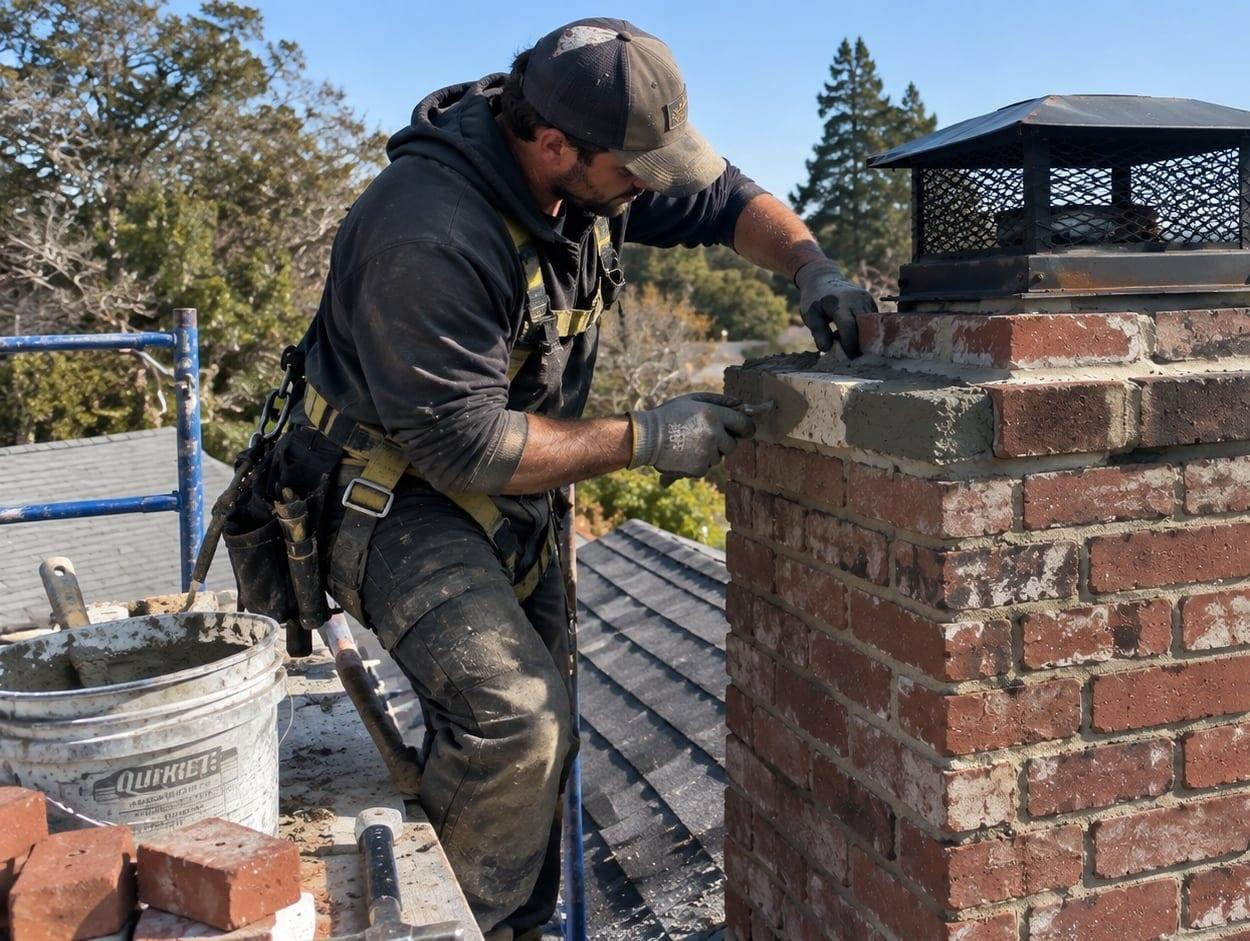
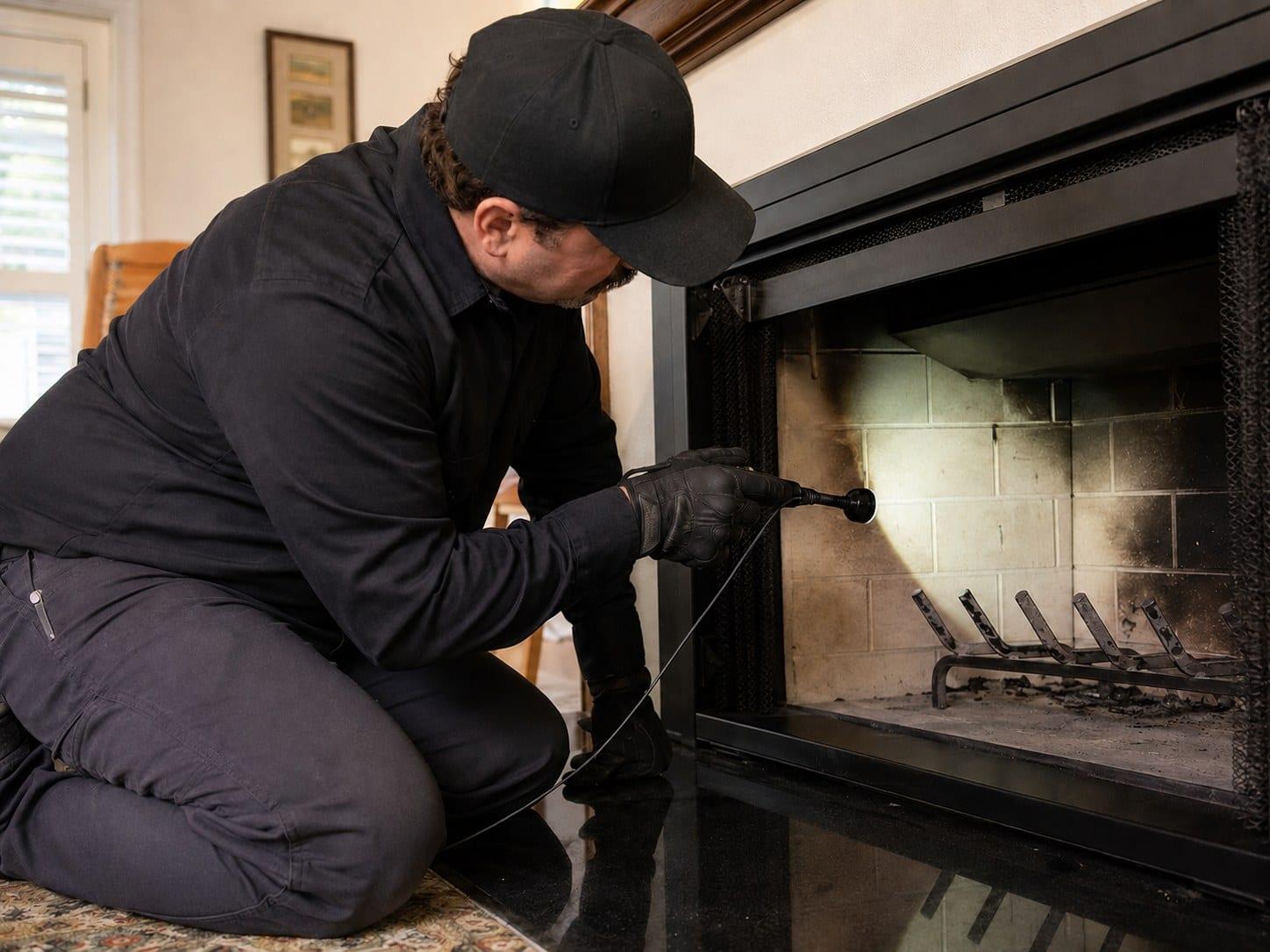
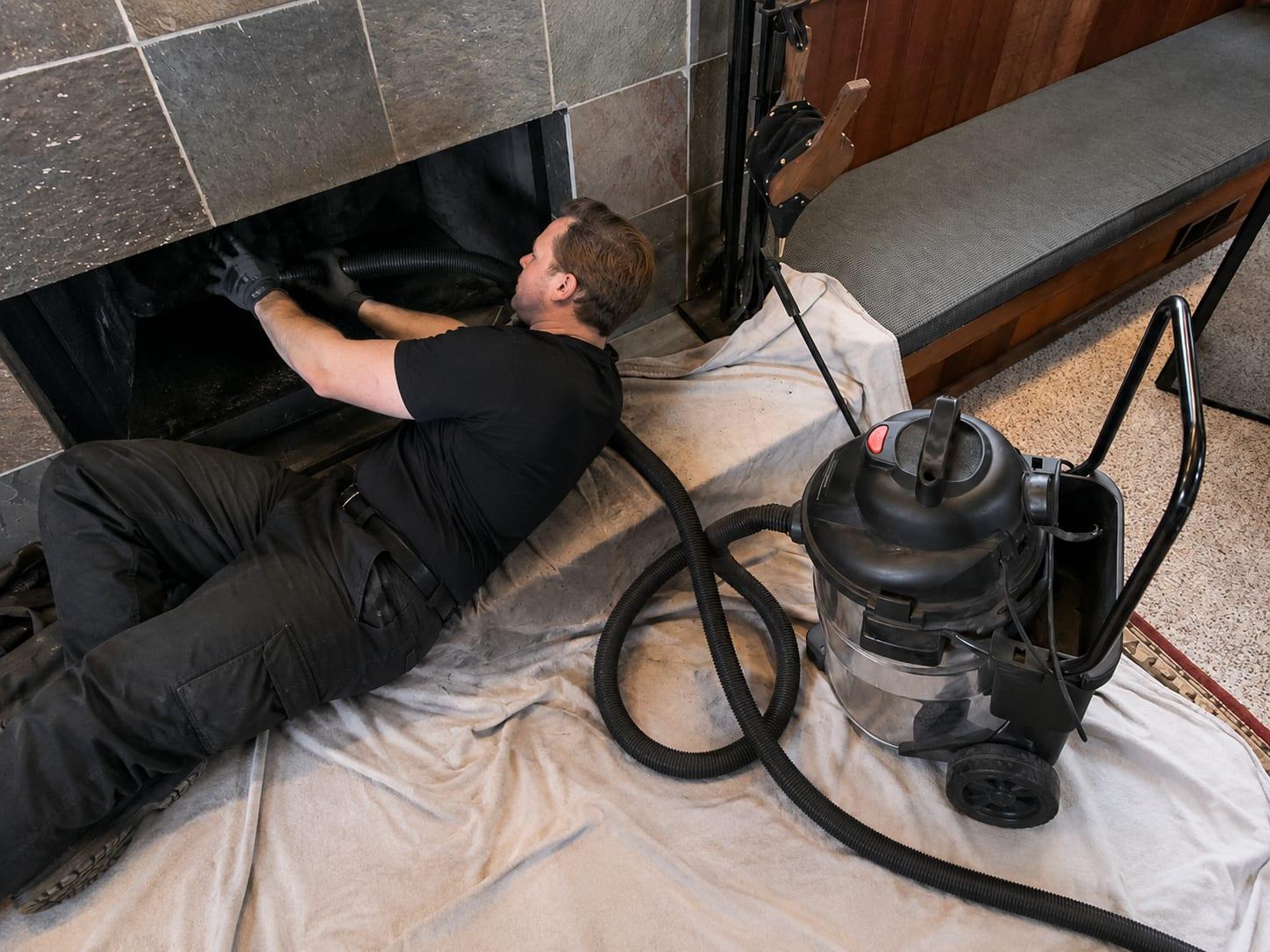
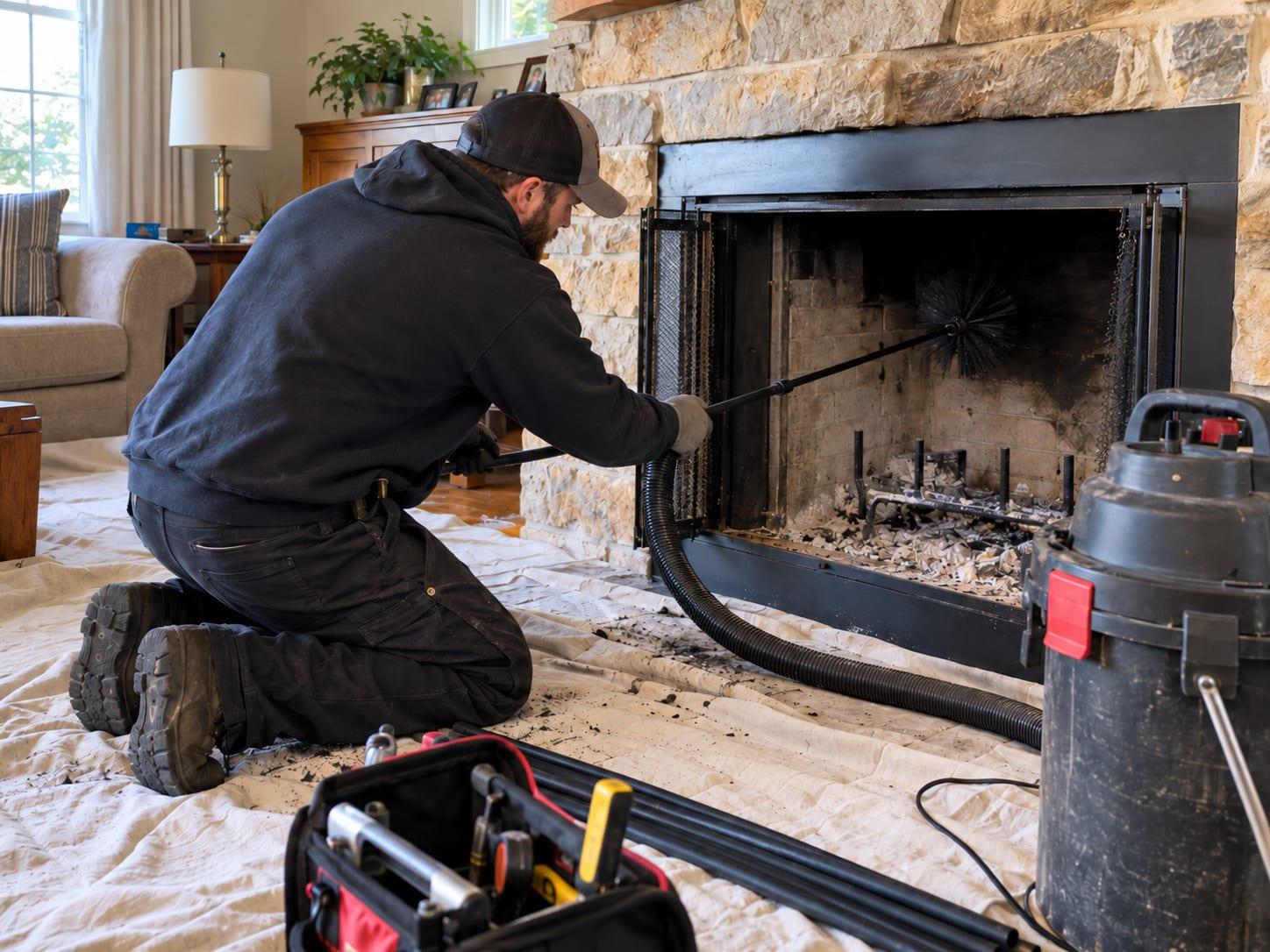
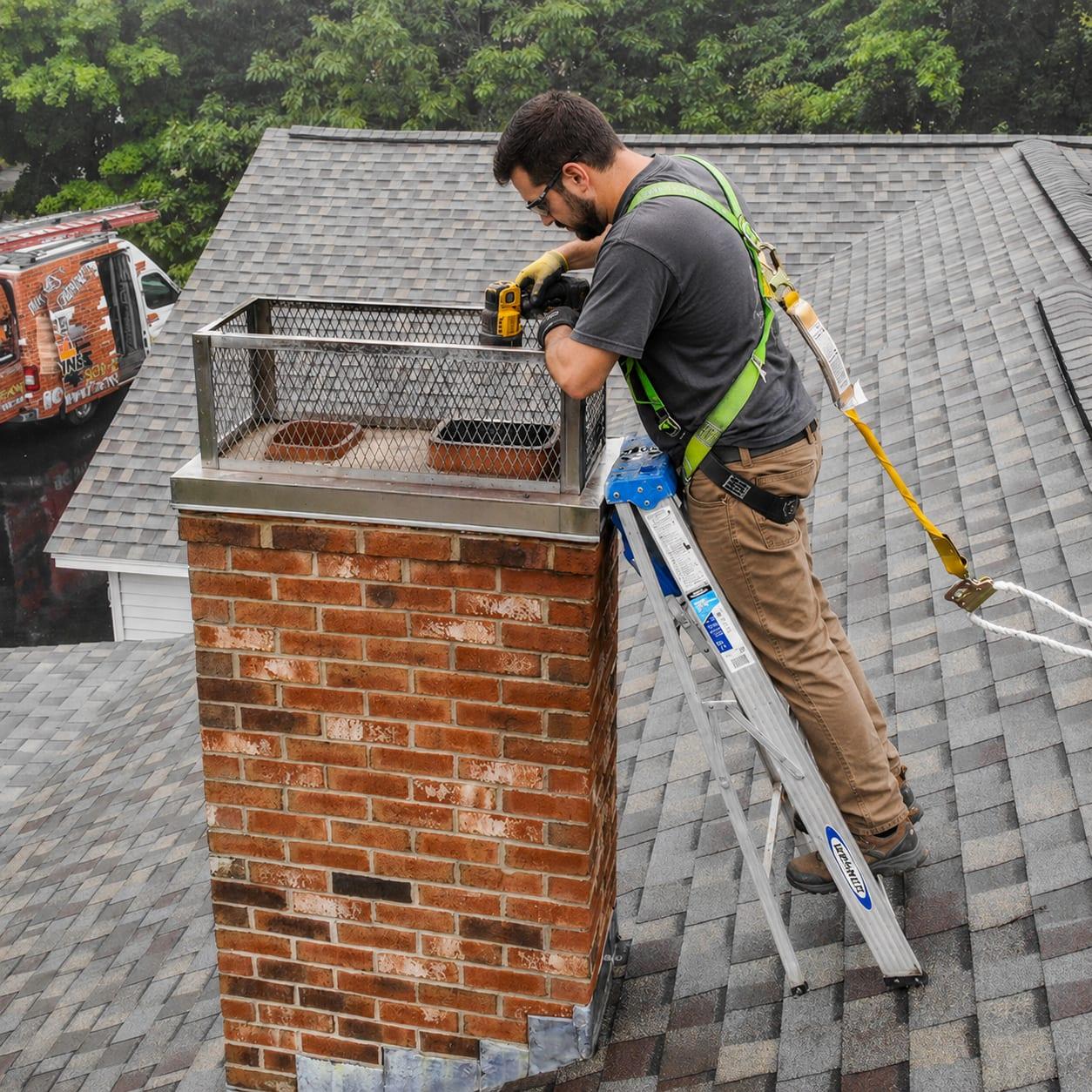
We work on chimneys, fireplaces and dryer vents in Pine Lake. For most homes that means one of three starting points: a chimney sweep service to clear soot and creosote, a chimney inspection to find out what condition the flue, crown and liner are in, or masonry, flashing and liner work when something is already worn or leaking. Fireplace repair and installation, gas fireplace work and dryer vent cleaning are available on the same visit or on their own.
What Pine Lake's housing age means for your chimney
About 64% of the housing units in Pine Lake were built before 1960, and about 10% in 1939 or earlier, according to the U.S. Census Bureau's American Community Survey 2019–2023 5-year estimates (table B25034, Year Structure Built). For homeowners, that points to a lot of chimneys that have been standing for six or more decades.
Age alone doesn't mean a chimney is unsafe, but older chimneys tend to have a few things in common. Many were built with clay tile liners that can crack or separate over time, and some of the oldest were built with no liner at all. Mortar joints and concrete crowns weather slowly from decades of rain and freeze-thaw cycles. Original metal dampers rust. And a house that has changed hands several times may have had its fireplace converted, capped or left unused, with no record of what was done.
Worth checking in a chimney built before 1960
- Whether the flue has a liner, and whether that liner is cracked or has gaps between tiles
- Crumbling or missing mortar joints on the outside of the stack
- A cracked or eroded crown at the top of the chimney
- Rust or water stains around the damper or inside the firebox
- Flashing where the chimney meets the roof, a common source of ceiling leaks
- Signs of old animal nests or debris if the fireplace hasn't been used in years
Before relighting an older fireplace
If you've moved into an older home or haven't used the fireplace in a long time, have the flue looked at before the first fire. A camera inspection can show liner cracks and blockages that aren't visible from the firebox.
When an inspection turns up wear
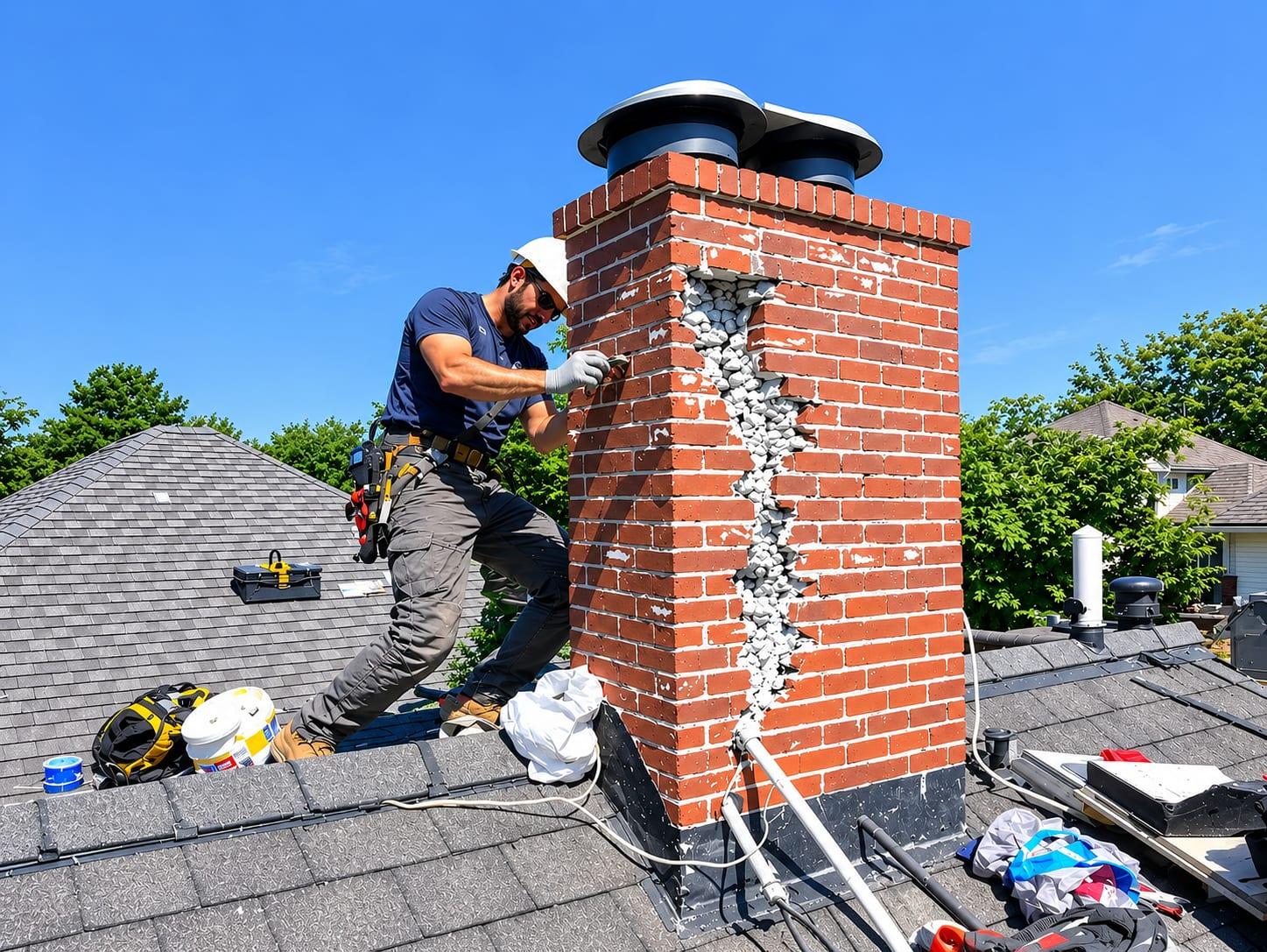
Most findings in older chimneys are repairable without a full rebuild: tuckpointing loose joints, resurfacing or replacing a crown, sealing flashing, adding a cap, or installing a new liner inside the existing flue. If you want to know what that process looks like from start to finish, read how chimney repair works.
Sources (1)
Facts and figures on this page come from these references.
- 1U.S. Census Bureau, American Community Survey 2019–2023 5-year estimates, table B25034 (Year Structure Built)