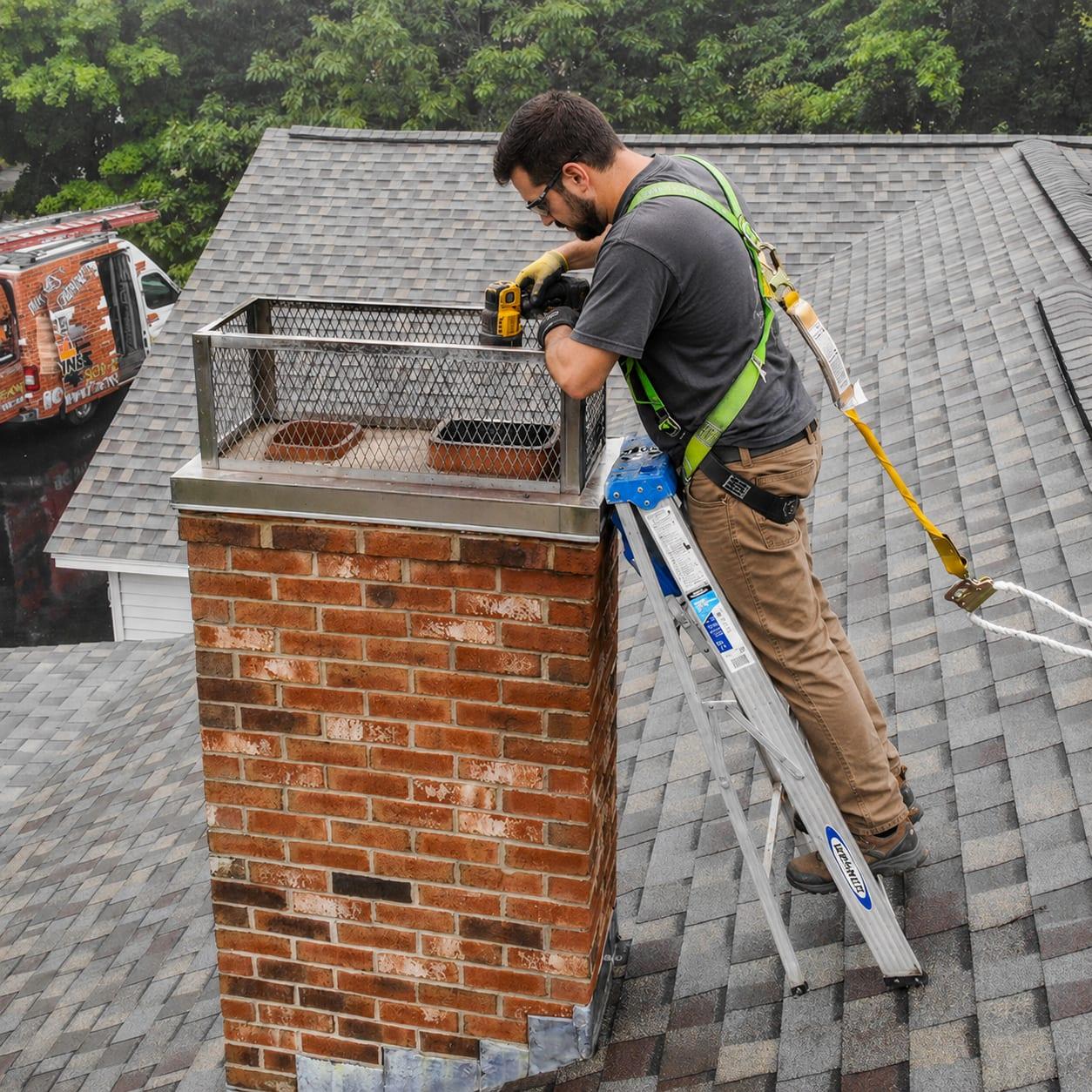
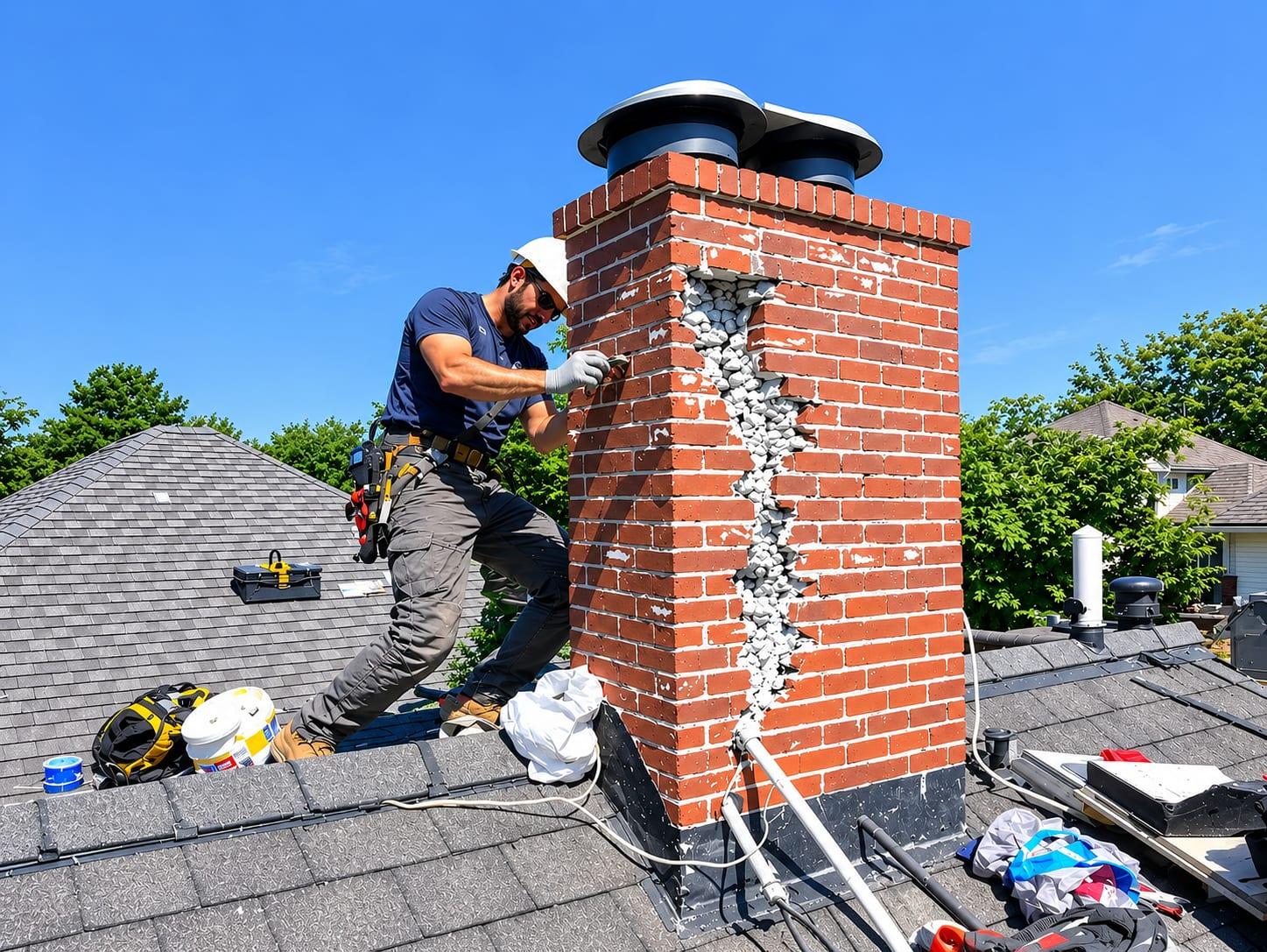
Chimney, fireplace and dryer vent work for Jonesboro homes
Most requests from Jonesboro homeowners fall into one of three areas, and every one of them can be booked here:
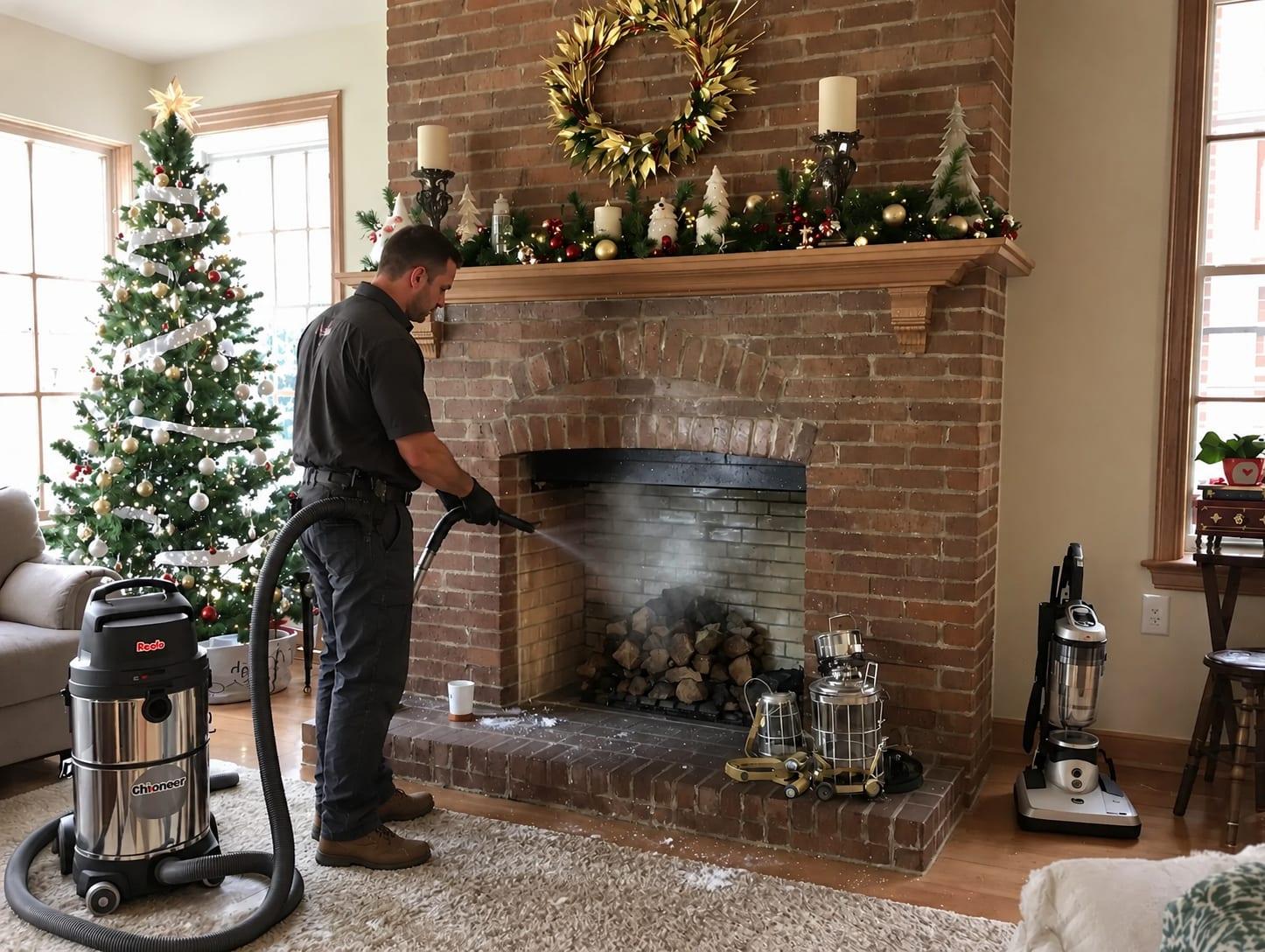
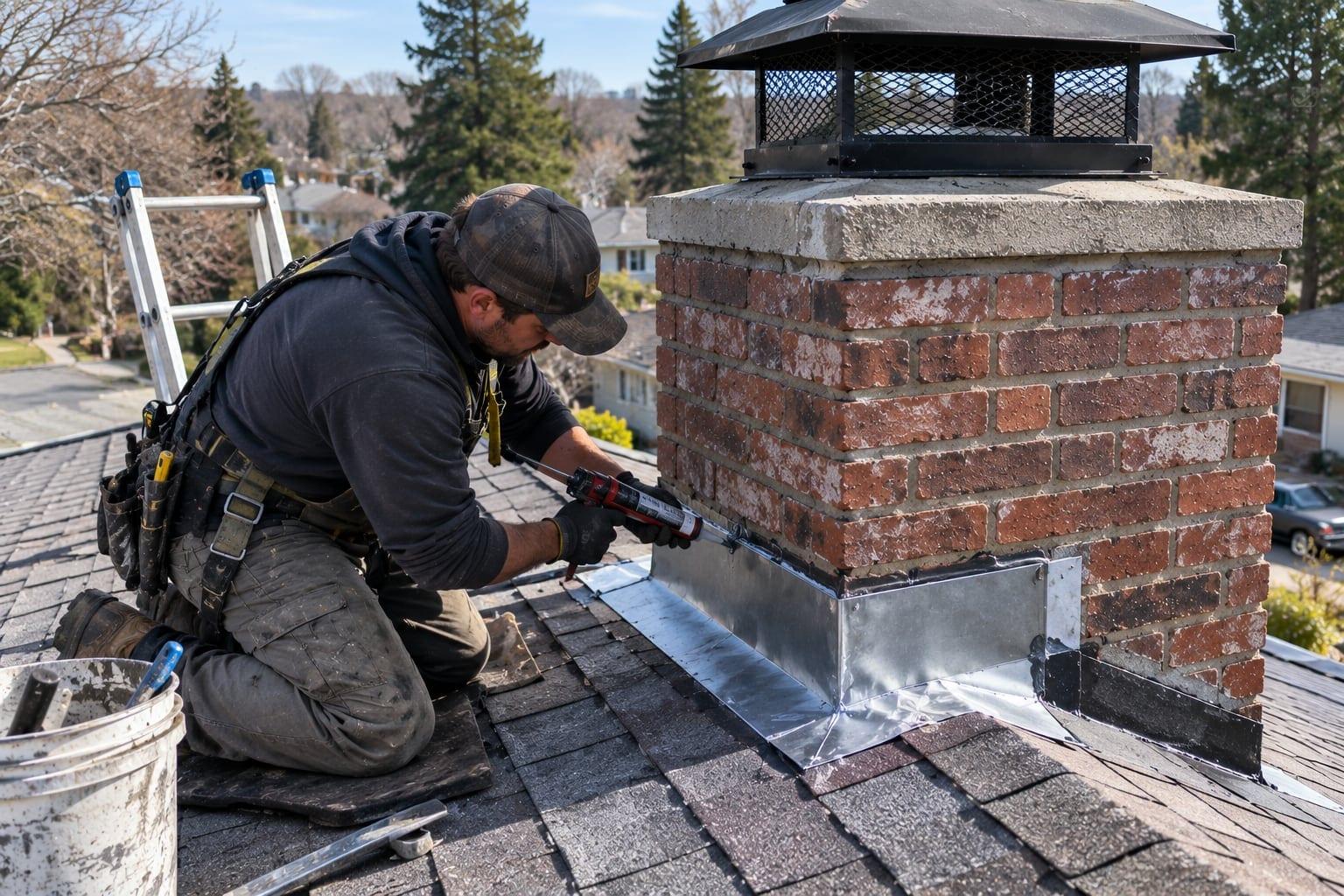
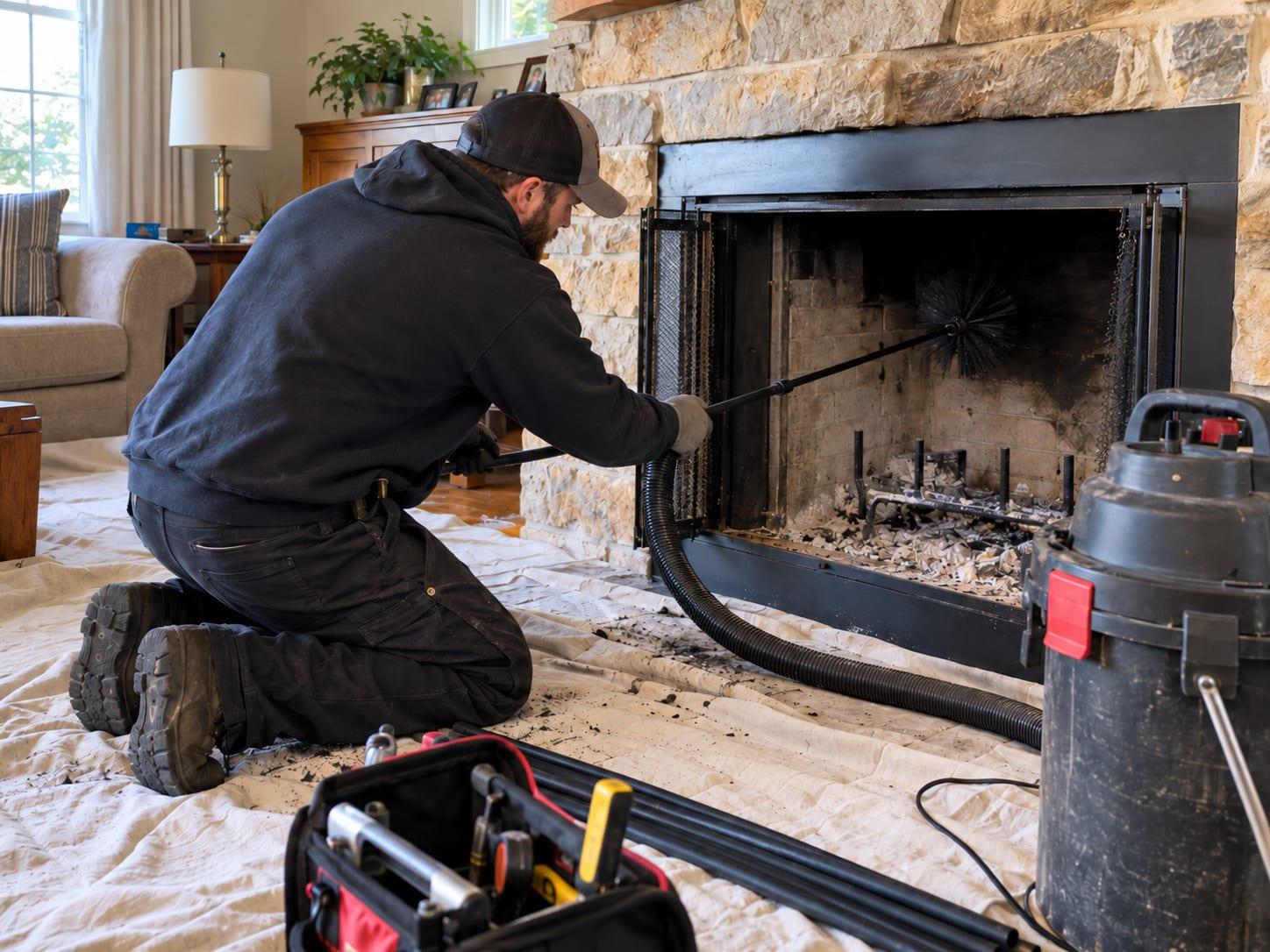
- Chimney and flue work: routine chimney sweeping, creosote and blockage removal, clearing out animals and nests, new or replacement caps and screens, liner work, and masonry jobs from the crown down to the mortar joints.
- Fireplaces and gas appliances: cleaning of open fireplaces, inserts and wood stoves, repairs to fireboxes, doors and glass, and gas fireplace service, gas log installation and gas line work.
- Dryer vents: cleaning, lint and blockage removal, airflow testing, and repair or rerouting of vent runs that are too long, crushed or poorly placed.
What Jonesboro's older housing means for chimney care
About 37% of the housing units in Jonesboro were built before 1960, and about 6% in 1939 or earlier, according to the U.S. Census Bureau's American Community Survey 2019–2023 5-year estimates (table B25034, Year Structure Built). In plain terms, more than one in three homes in town has a chimney that has been through at least six decades of heating seasons and weather.
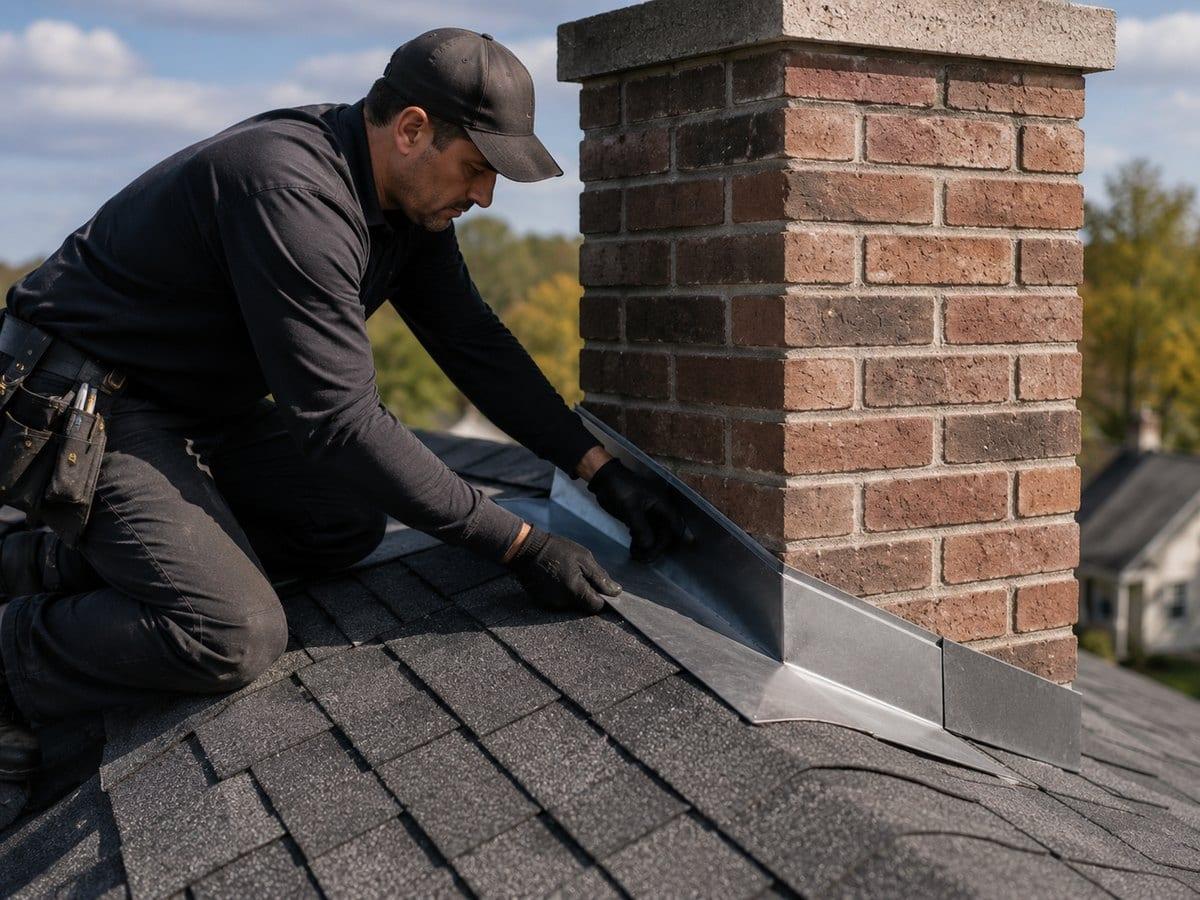
Age by itself doesn't make a chimney unsafe, but it changes what is worth checking. Masonry chimneys from that era commonly show worn mortar joints, cracked crowns and tired flashing where the chimney meets the roof. Some were built with clay flue tiles that may have cracked or shifted over the years, and the oldest may have no liner at all. None of that is visible from the living room, which is why a chimney inspection before you light the first fire makes sense when you don't know the chimney's history.
When an inspection does turn up wear, much of it can be handled by repairing mortar, crowns and flashing before water gets further into the brick. If your home is one of the newer ones, the focus may shift to a factory-built fireplace, its chase cover, or a gas unit, and to the dryer vent, which needs attention no matter how old the house is.
Signs an older chimney is due for a closer look
- Mortar that crumbles or has gaps between bricks
- Water stains on a ceiling or wall next to the chimney
- Smoke drifting into the room instead of up the flue
- Cracked or flaking material inside the firebox
- A strong smoky or musty smell, especially in humid weather
Sources (1)
Facts and figures on this page come from these references.
- 1U.S. Census Bureau, American Community Survey 2019–2023 5-year estimates, table B25034 (Year Structure Built)