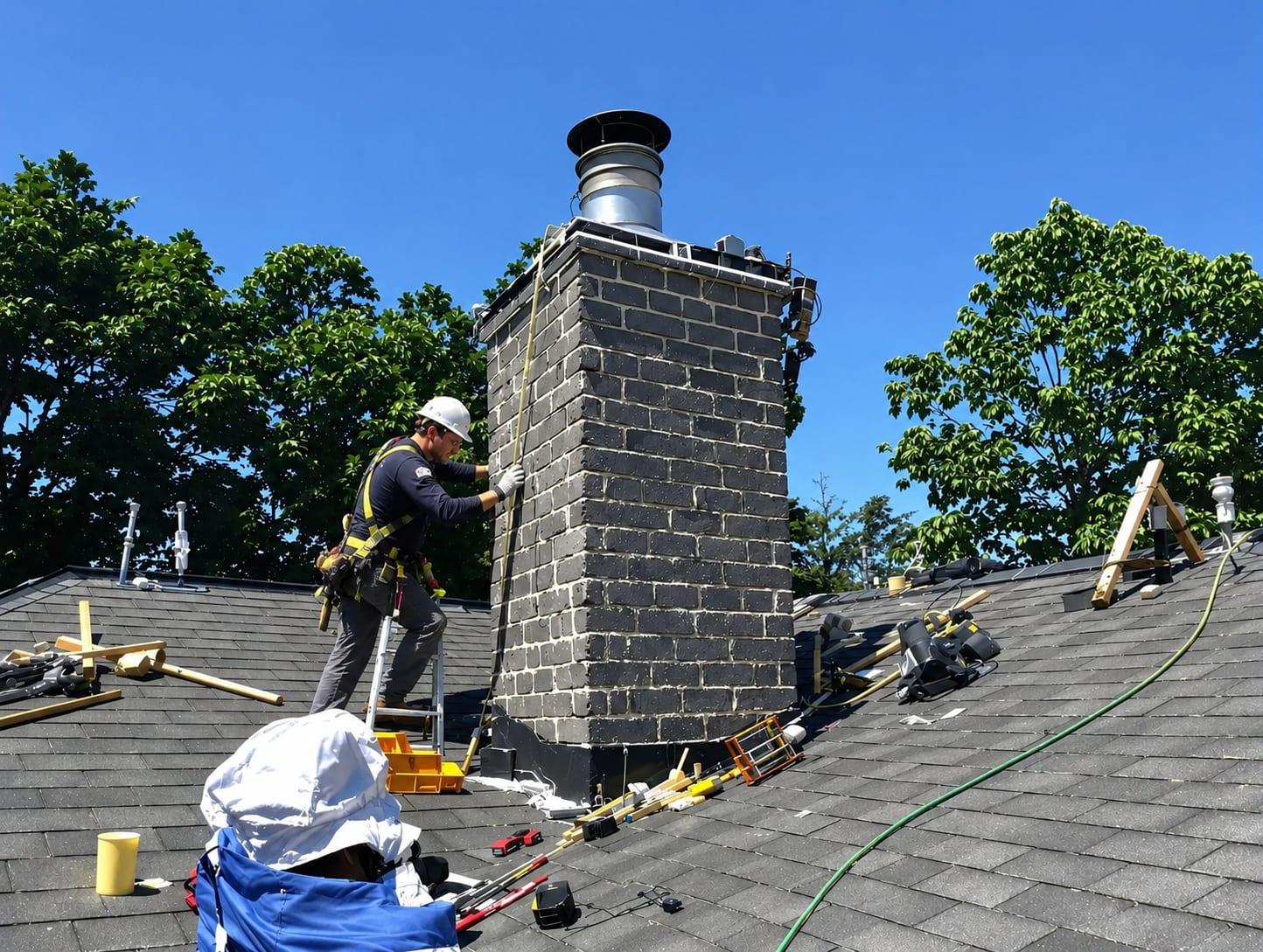
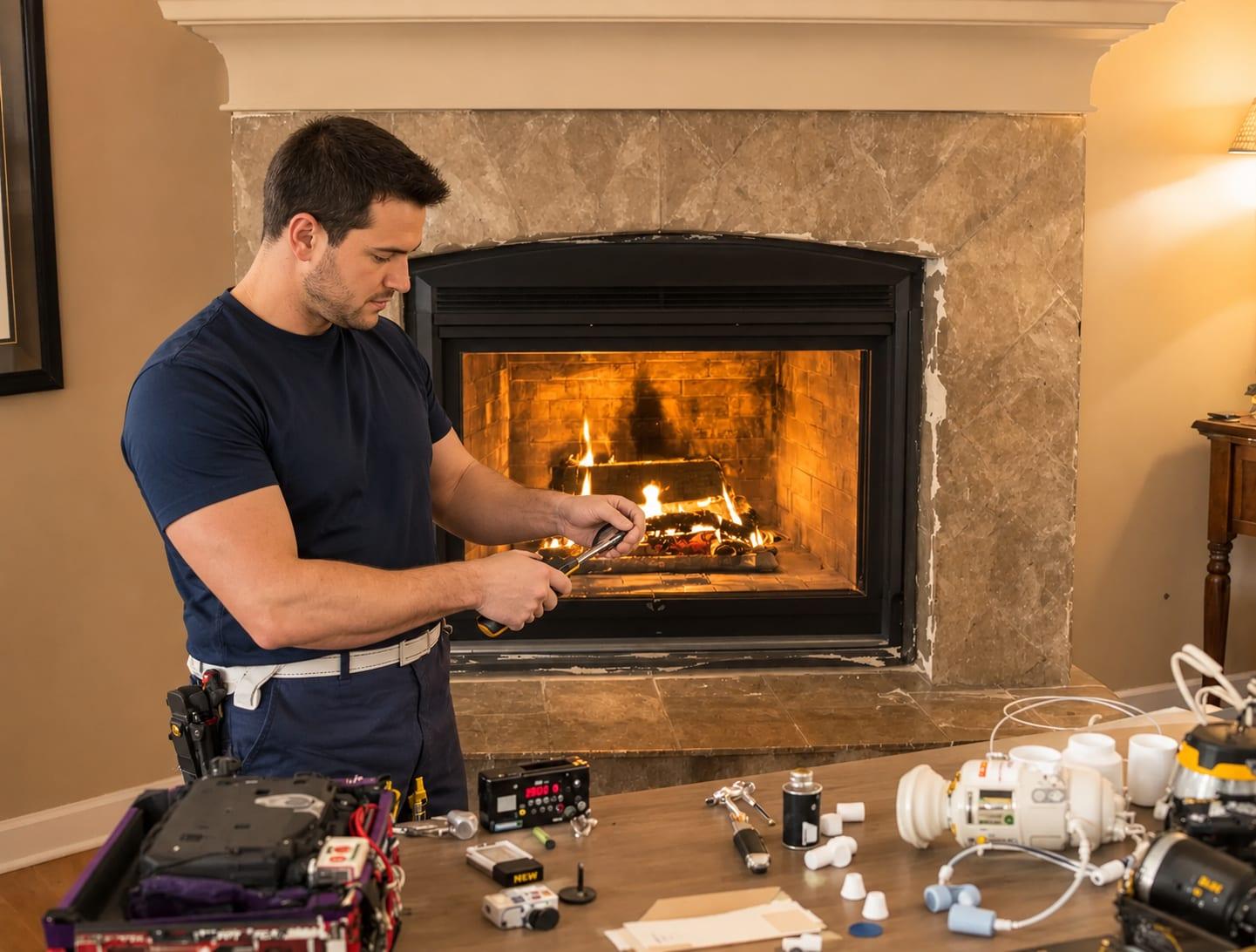
What Norcross homeowners can book
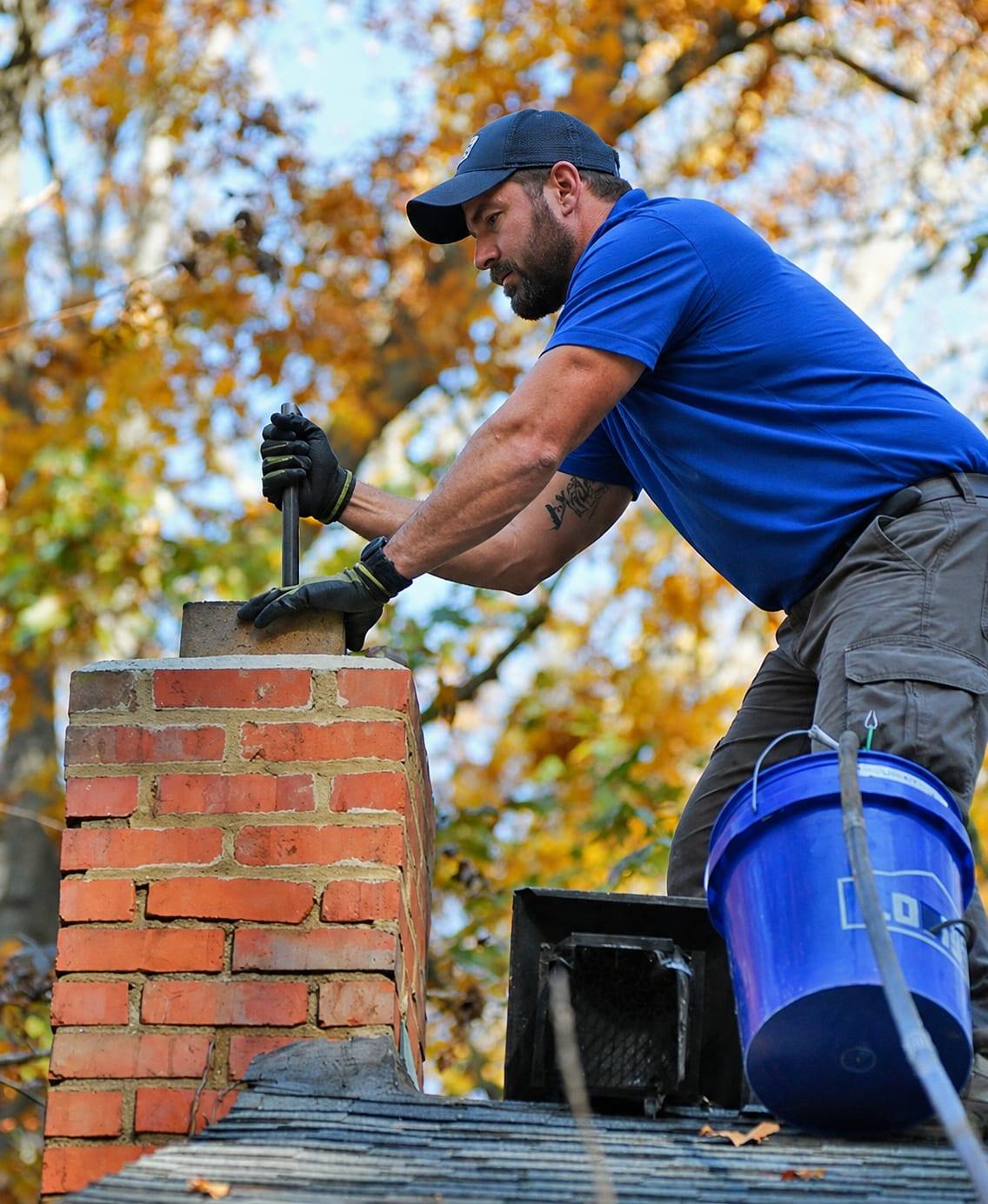
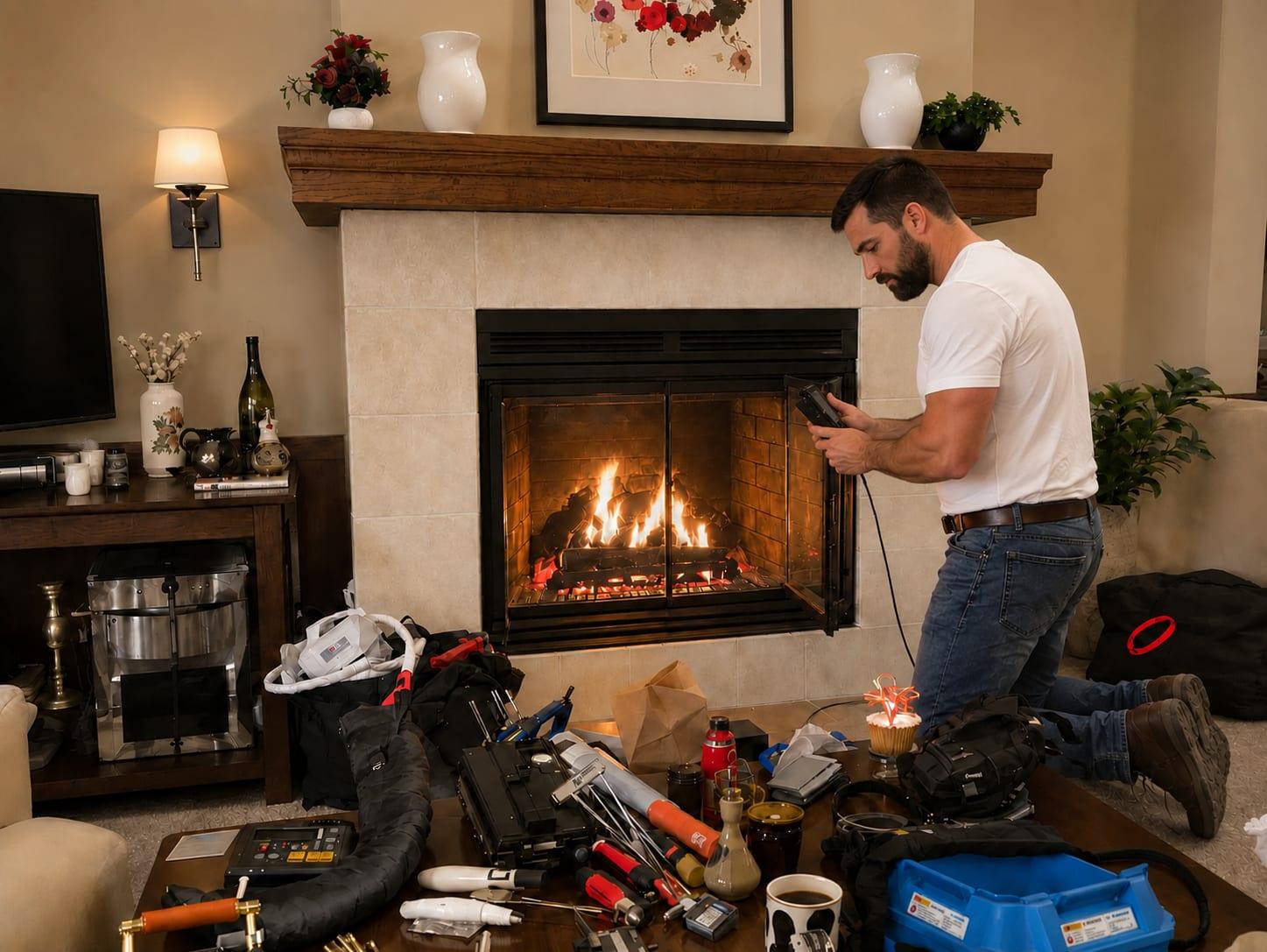
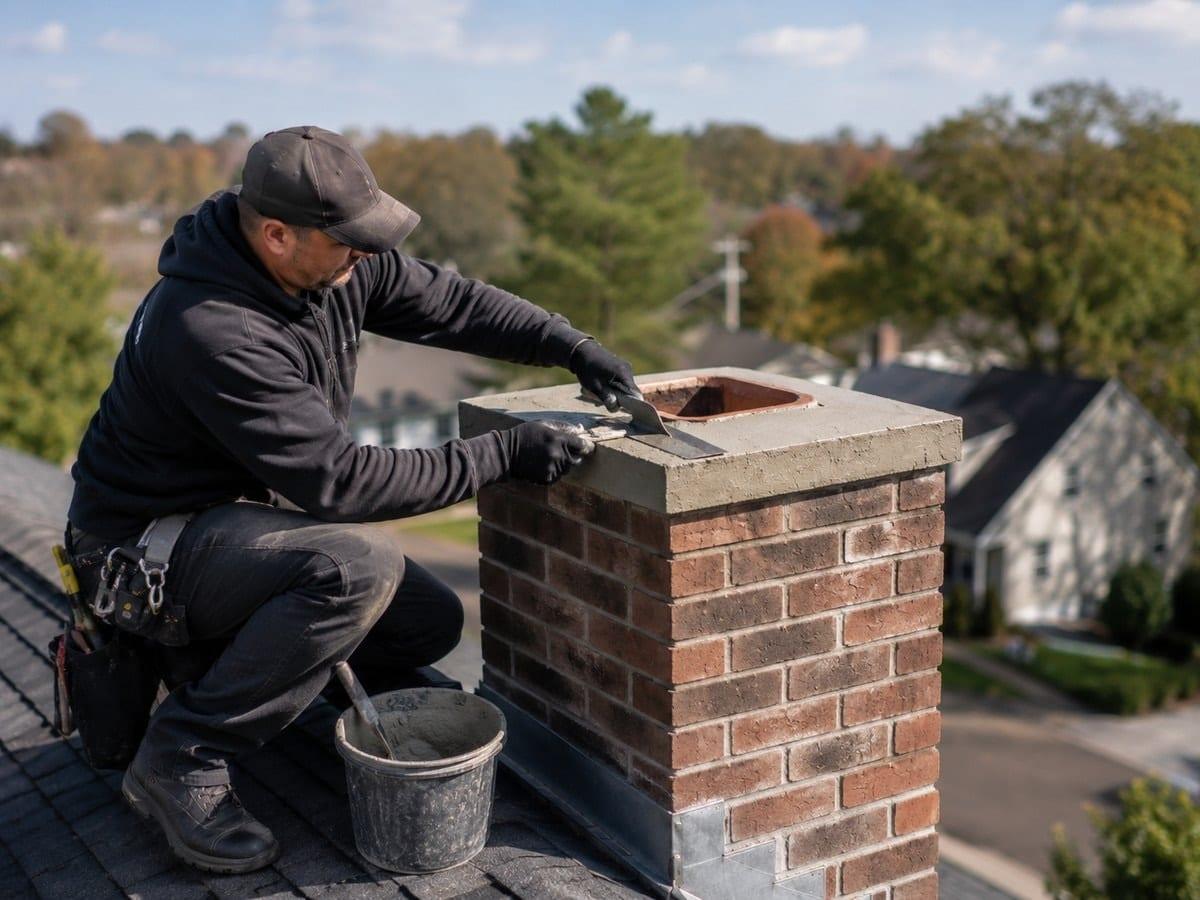
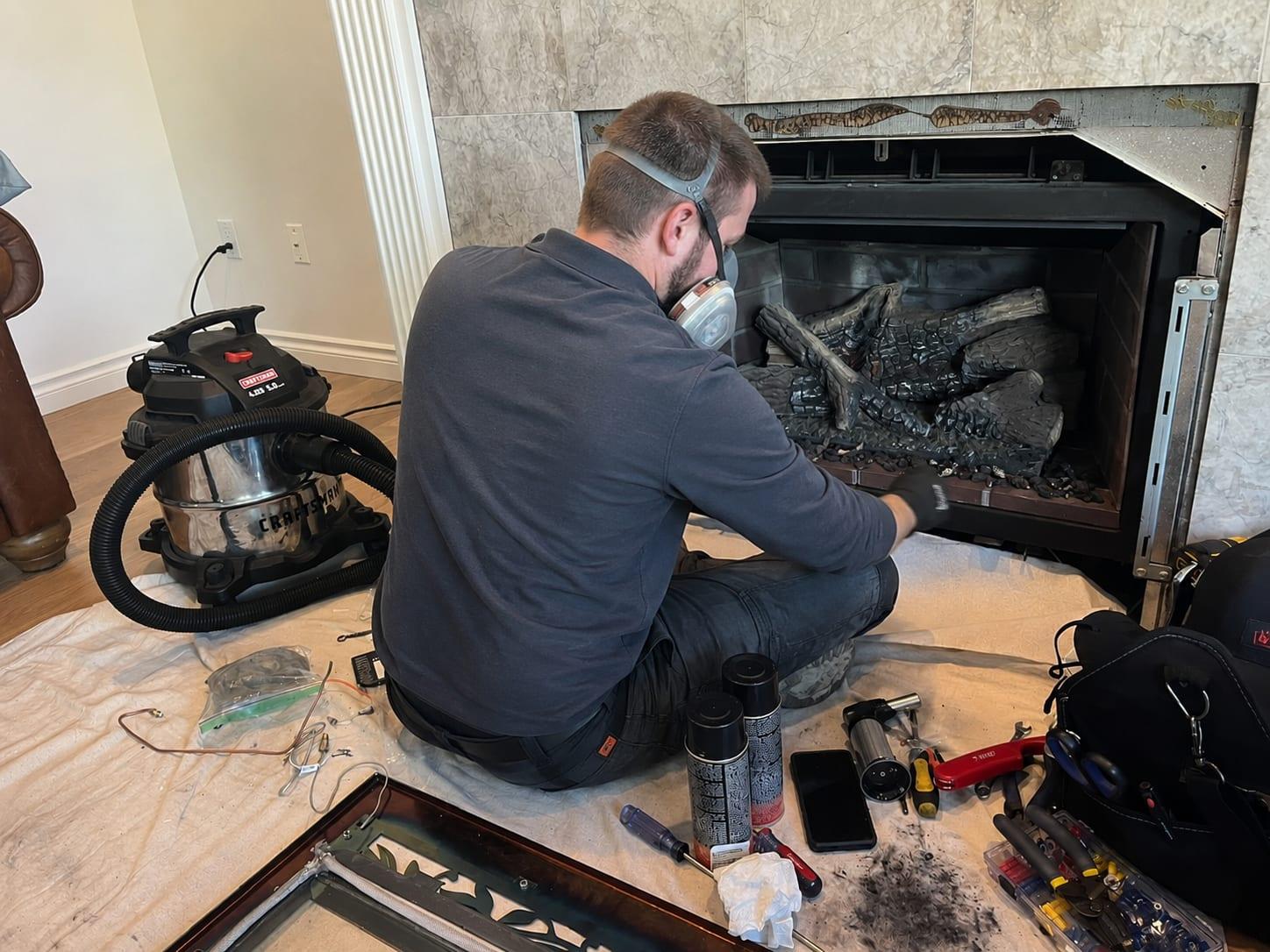
Most visits start with one of a few common jobs. A chimney sweep for homes in Norcross clears soot and creosote from the flue before burning season. A chimney inspection checks the liner, crown, flashing and firebox for problems you can't see from the hearth. Masonry, leak and crown work falls under chimney repair.
- Wood-burning fireplaces, inserts and stoves: cleaning, minor fixes and larger restoration
- Gas units: gas fireplace and gas appliance work is offered, including service and maintenance for a gas fireplace
- Dryer vents: lint and blockage removal, airflow testing, rerouting and cover replacement
- Caps, chase covers and animal screens that keep rain and wildlife out of the flue
- Commercial and property-manager work is offered, as well as service for single homes
What the Census housing figure means for Norcross chimneys
About 5% of the housing units in Norcross were built before 1960, according to the U.S. Census Bureau's American Community Survey 2019–2023 5-year estimates (table B25034, Year Structure Built). Put the other way, about 95% of homes in the same estimate were built in 1960 or later.
That small older share still matters if you live in one of those homes. In general, older masonry chimneys are more likely to have worn mortar joints, a cracked crown, or a clay liner with gaps or missing sections, and some were built without a liner at all. A camera inspection of the flue shows the liner's condition before anyone lights a fire or swaps in a new appliance.
A newer home isn't exempt from chimney problems. Any chimney can collect creosote, let water in at the flashing, or lose its cap in a storm. Factory-built fireplaces have their own weak points, such as rusted chase covers and worn refractory panels. The build year helps decide what to check first. It doesn't tell you whether a chimney is safe.
When a Norcross chimney needs work
Several signs mean the chimney itself needs attention, not just a cleaning:
Signs to have it looked at
- Water stains on the ceiling or wall beside the chimney, or rust on the damper
- Crumbling mortar or brick pieces on the roof or in the firebox
- Smoke rolling into the room instead of drawing up the flue
- A strong smoky or musty smell, especially on humid days
- Scratching or nesting sounds inside the chimney
- A damper that sticks, won't close, or won't seal
We inspect first and explain what we found. Then you decide whether to repair now, plan the work for later, or simply keep an eye on it.
Checking the chimney before a problem grows
An inspection makes sense before the first fire of the season, after a storm, when buying or selling a home, or before installing a new insert or gas logs. For a home in that older 5%, it's also a good way to learn whether the original liner can still safely carry smoke and gases out of the house.
Sources (1)
Facts and figures on this page come from these references.
- 1U.S. Census Bureau, American Community Survey 2019–2023 5-year estimates, table B25034 (Year Structure Built)